Meaning
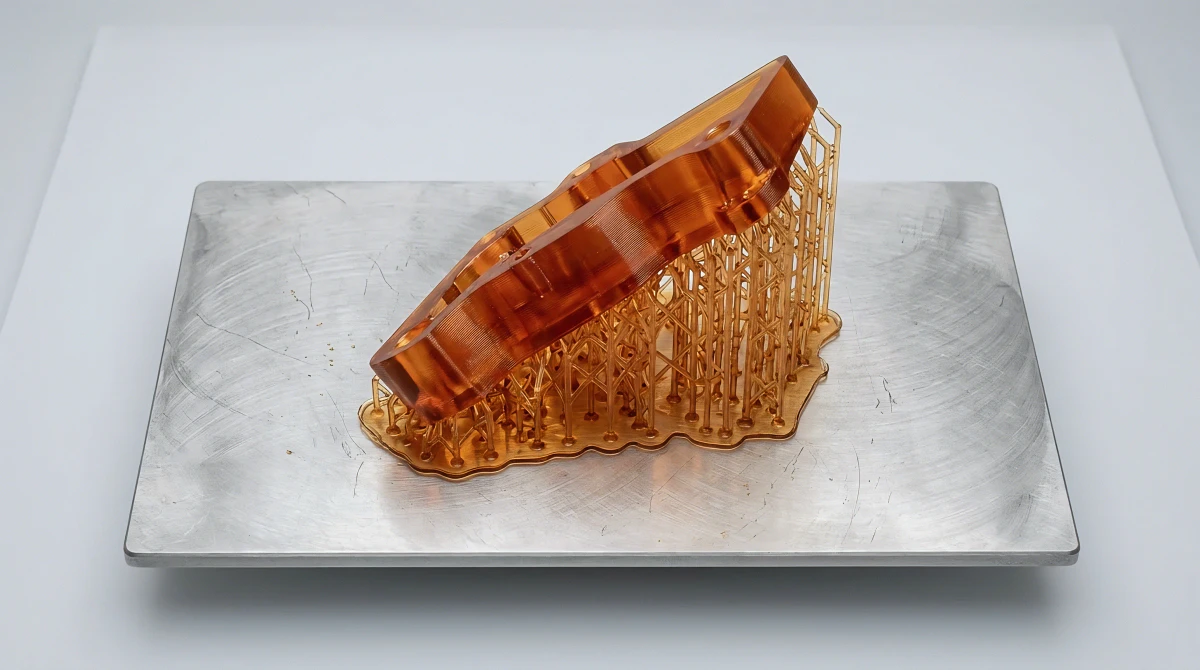
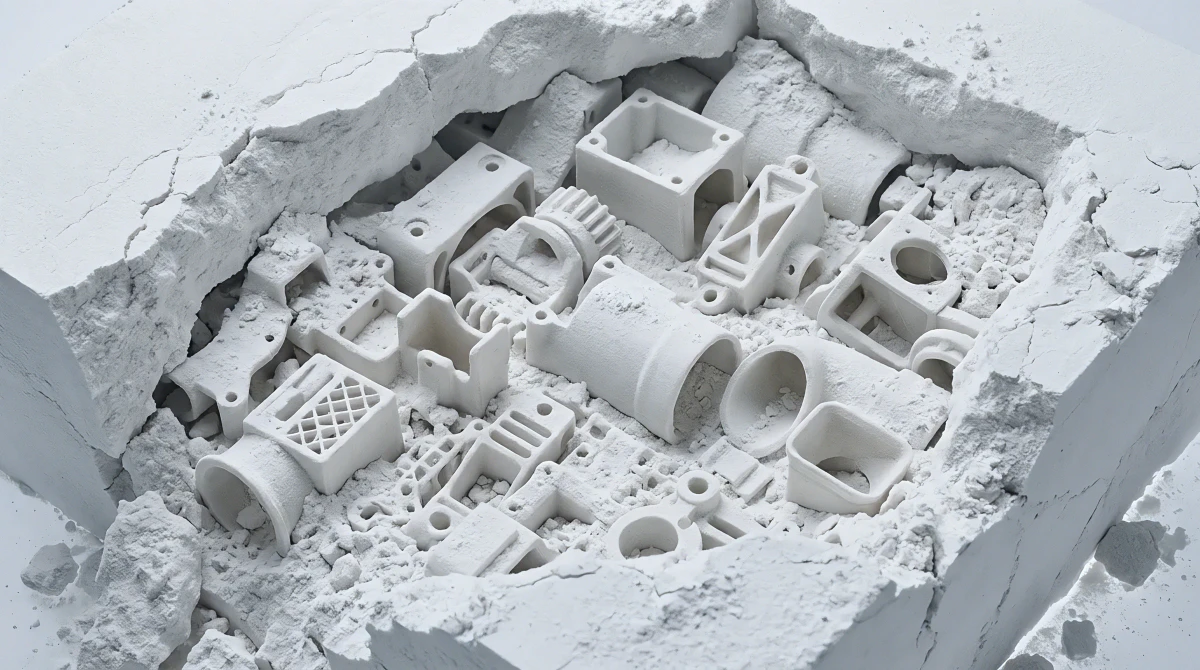
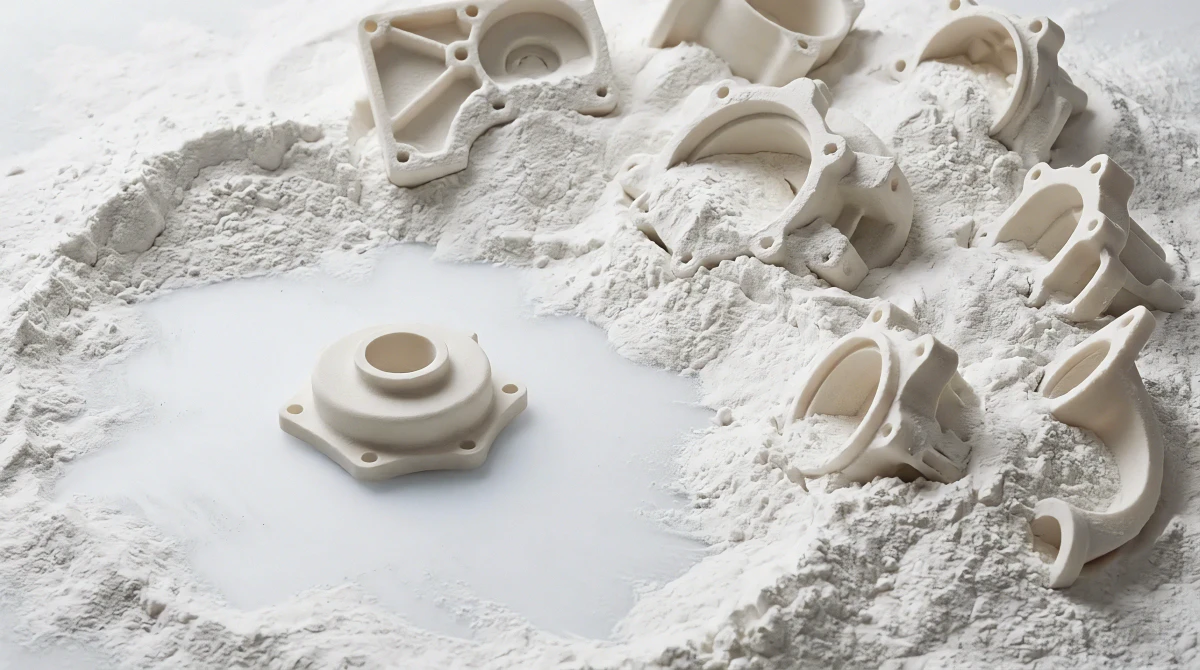
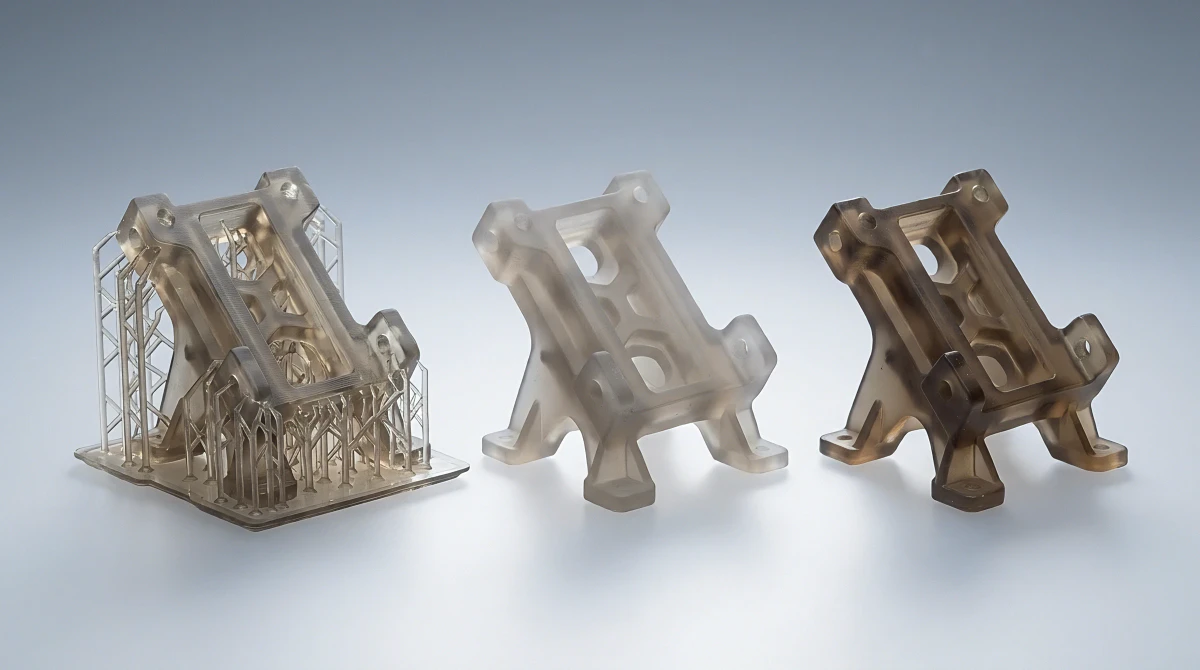
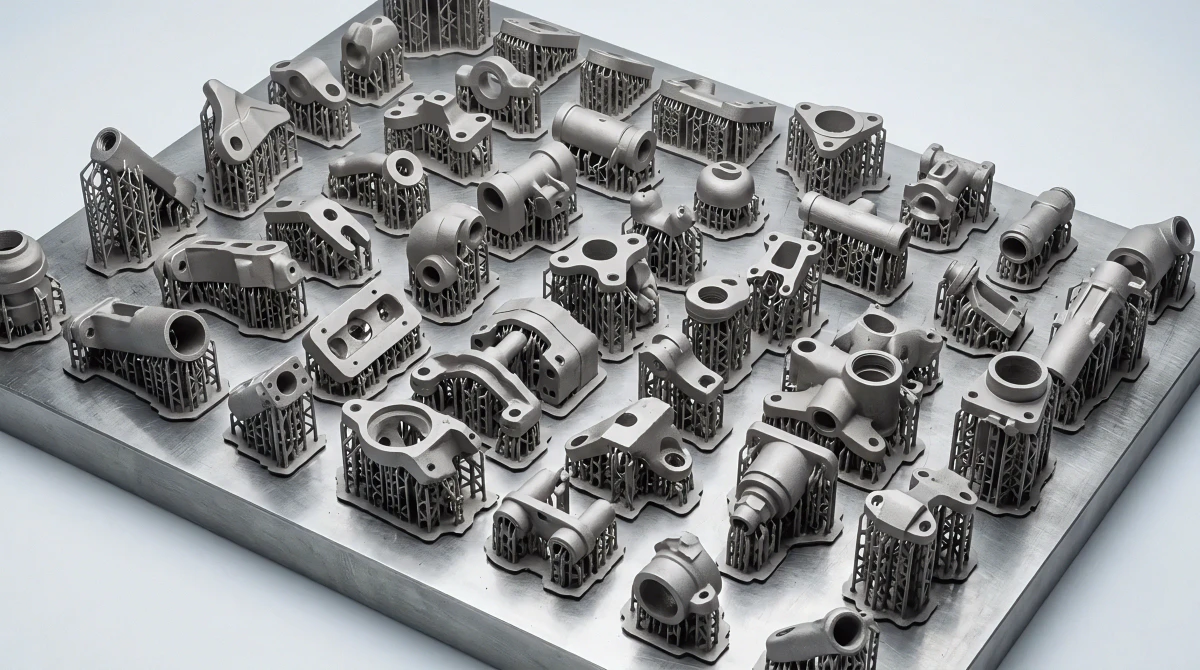
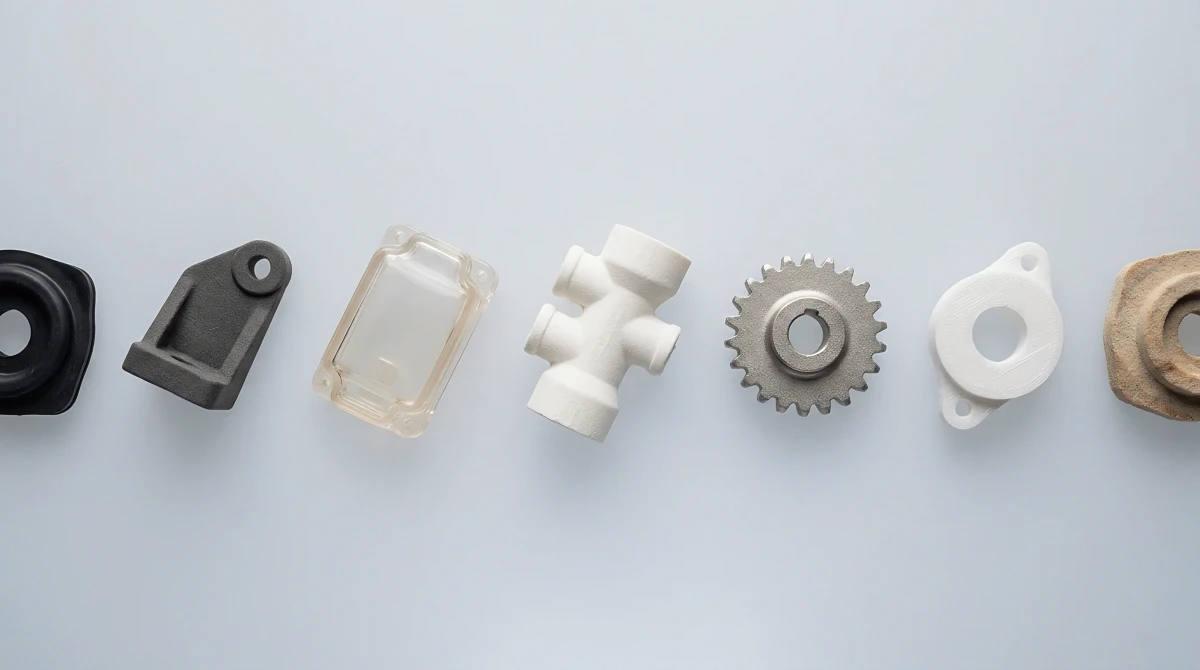
Supports are temporary structures printed with a part to hold overhangs, islands and the part itself during the build, then removed afterward. In vat photopolymerization they are printed in the same resin as the part. Laser sintering needs none, because the unfused powder bed carries the part; 3D Systems states that its SLS 380 prints without supports, and the University of Zurich SLS guideline says the powder bed provides the support. Metal laser powder bed fusion uses supports that also anchor the part to the build plate.When Resin Parts Need Them
Carbon lists the conditions: a feature that projects horizontally or below the self-supporting angle, a feature that starts printing before it joins the rest of the part, too little contact with the platform at the start, and suction forces the part cannot withstand alone. Stratasys gives thresholds for its Origin One: horizontal overhangs longer than about 3 mm (0.12 in), angles shallower than about 30°, bridges over about 10 mm (0.39 in), and every island. Carbon gives 2 mm (0.079 in) as the overhang guide for most of its resins and 40° or more as the most common self-supporting angle.Read More
Types
Carbon describes bar supports, thicker and trussed together, which break farther from the surface and leave larger nubs, and fence supports, which break close to the surface and leave smaller, evenly spaced nubs but can buckle when tall. Stability supports for tall or top-heavy parts use bar supports or thickened fence walls.Effect on Cost
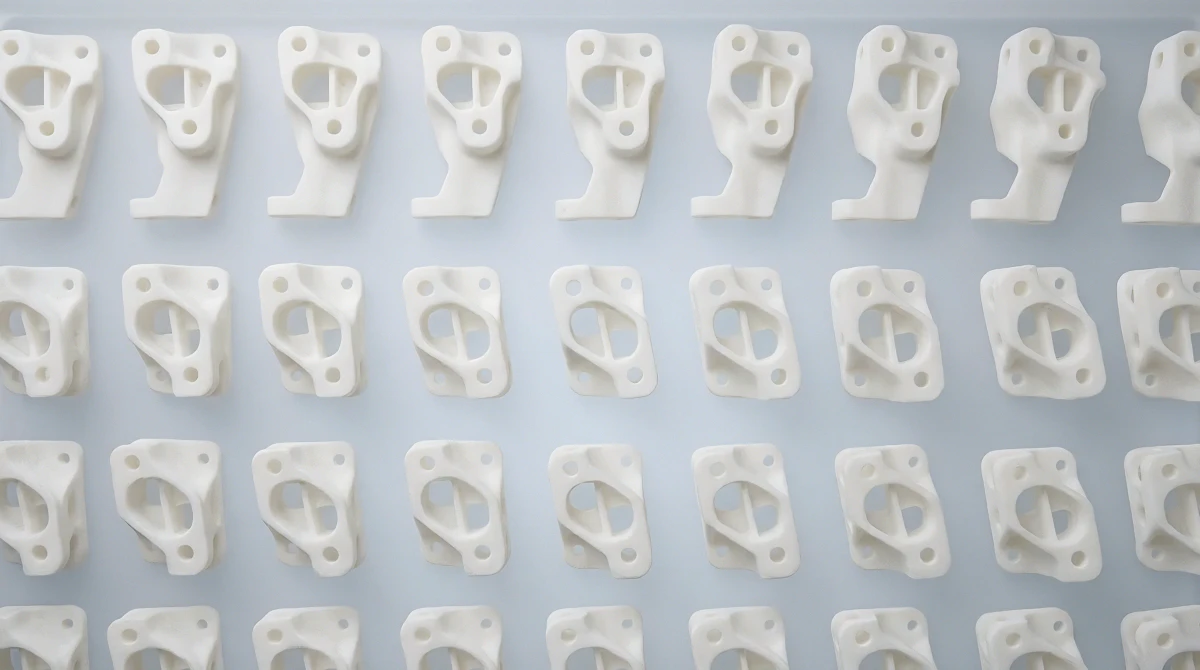
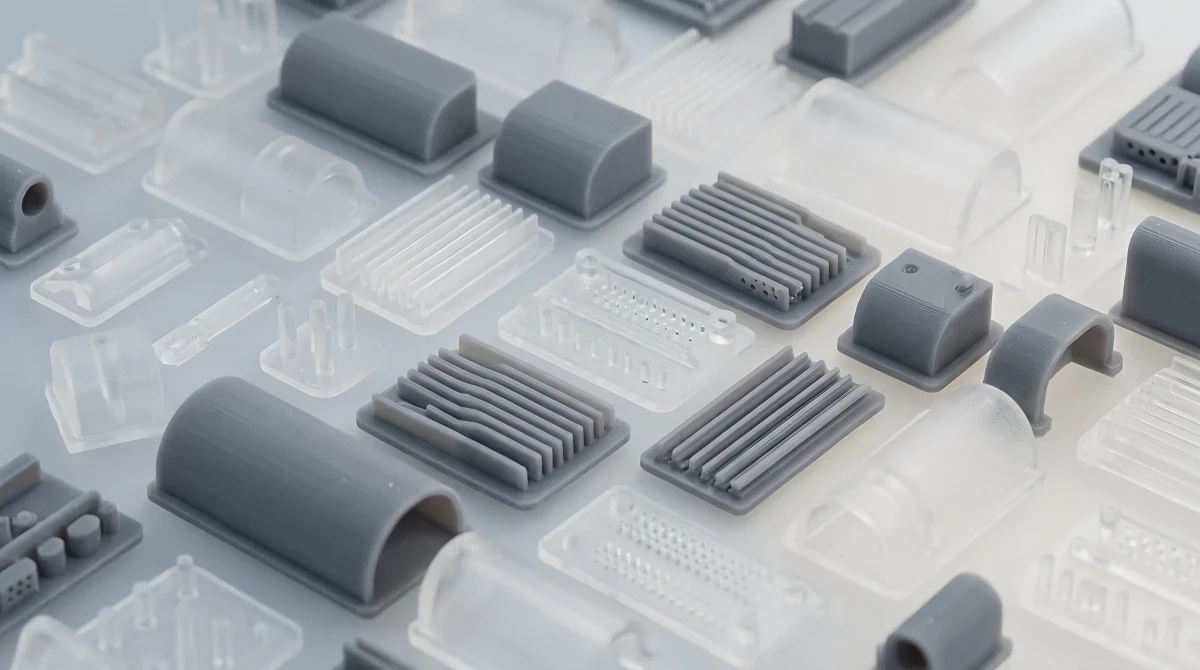
Supports use part material, add removal labor and leave marks. Carbon notes that more supports mean more resin and cost, and that reorienting a part can remove them altogether while shortening the print. In a run, every resin part on the platform carries its own supports, which is one reason a powder bed build can hold more parts per build than a resin platform.