Production

Every Production article of the 3D Printing Resources, newest first, each written from published standards, research and makers’ data.

Builds and Batches

A printed run in counts, days and checks: how many parts fit in a build, how long a batch takes, which process suits a run of tens or hundreds, the defects a batch can carry, and how a run is inspected before a mold takes over. The pieces give counts and times, never a price.

3D Printing Defects in a Production Batch Traced to Their Cause

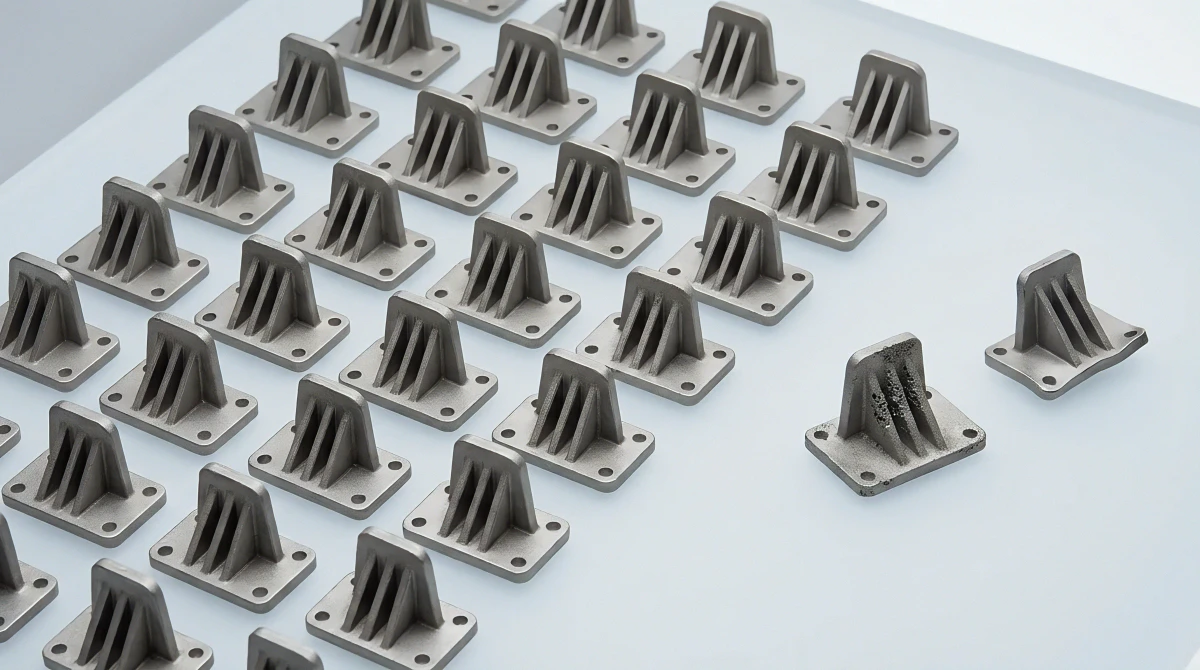
A defect in a printed batch is traced by its pattern, every part, one zone, one build or a slow trend across builds, and each pattern points to its own cause and evidence.

Reading a Defect by Its Pattern Across the BatchThe 2022 review sorts the sources of metal powder bed defects into three groups: defects transferred from the feedstock powder, defects formed in the interaction of the beam with powder and metal during melting, and defects created in post-processing such as heat treatment. It adds a fourth set of contributors around them: the equipment, powder handling and dispensing, and build preparation, meaning orientation and supports.

How Many Parts Fit in One SLS or MJF Build

Chamber volume times packing density divided by part volume sets the count, and every term has a published limit.

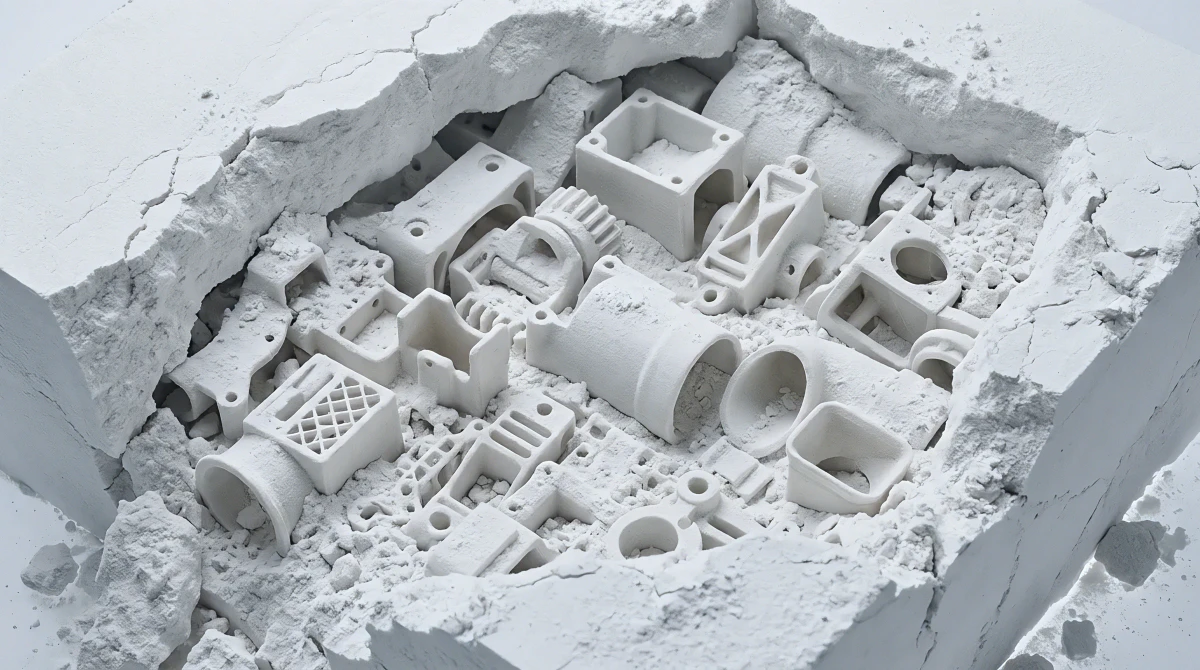
How Many Parts Fit in a Powder Bed Fusion BuildPowder bed fusion, one of the seven process categories in ISO/ASTM 52900, builds parts inside a bed of powder that supports them, so a chamber can be filled in three dimensions and the parts need no support structures. The count that results is set by three quantities: the usable volume, the share of that volume that holds parts, and the volume of the part itself.

Inspecting a 3D Printed Production Run and When a Mold Takes Over

Accept the first printed part against written limits, keep the record, and weigh a mold by identical quantity and design stability.

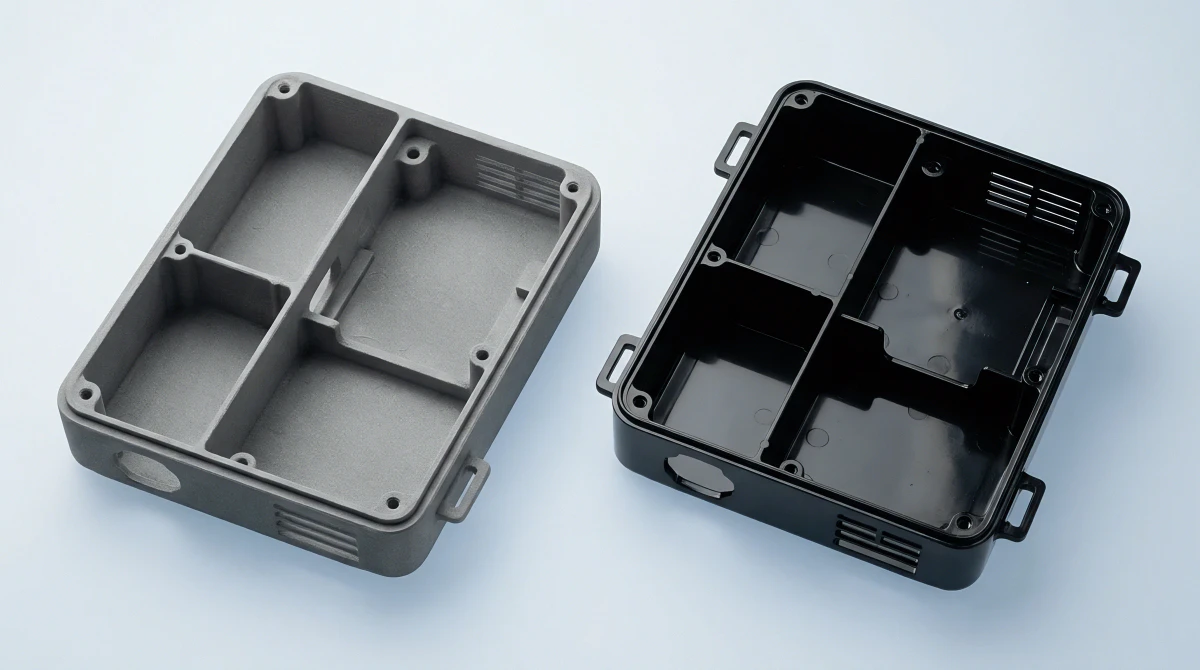
How a Printed Production Run Is Inspected and AcceptedISO/ASTM 52901:2017, titled requirements for purchased AM parts, gives the frame. Its scope says it covers the elements to be exchanged between customer and part provider at the time of the order: customer order information, part definition data, feedstock requirements, final part characteristics and properties, inspection requirements and part acceptance methods.

How Long a Batch of 3D Printed Parts Takes From Print to Pack-Out

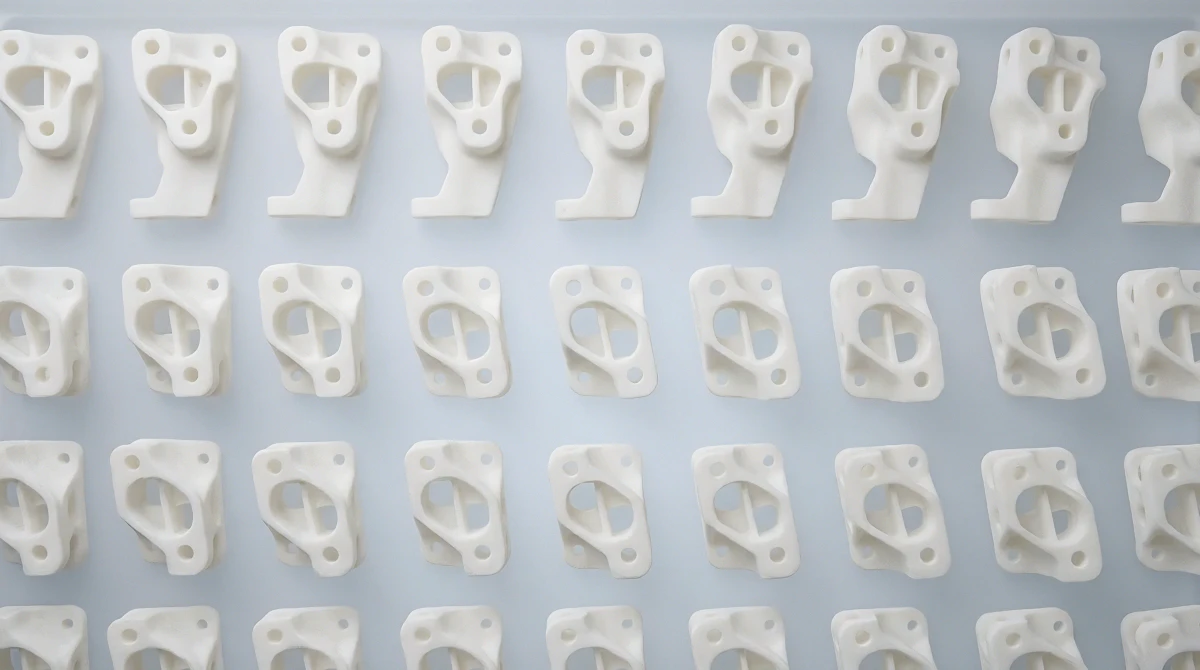
A printed batch runs on four clocks, build, cooldown, finishing and inspection, and a stated lead time should show each.

Lead Time for a 3D Printed Batch Stage by StageThe calendar of a batch has the same skeleton in every process. Files are prepared and nested, the machine builds, the work cools or cures, parts are separated from what held them, and finishing and inspection follow.

Send the 3D File of Your Printed Part

Send the 2D drawing and the 3D file, with the quantity and the stage of the project. An engineer replies within 1 working day.

The quote form, the mutual NDA and the private folder for your files are on Protolis Atelier, with 3D Printing chosen.

Request a Quote