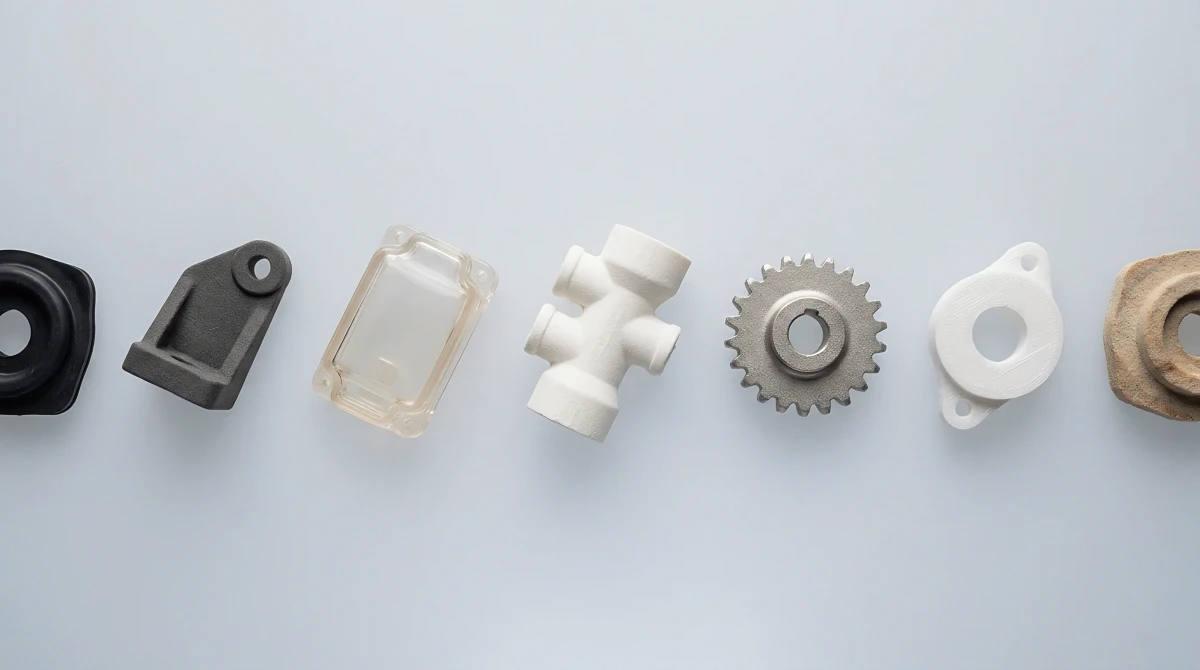
Powder Bed Fusion

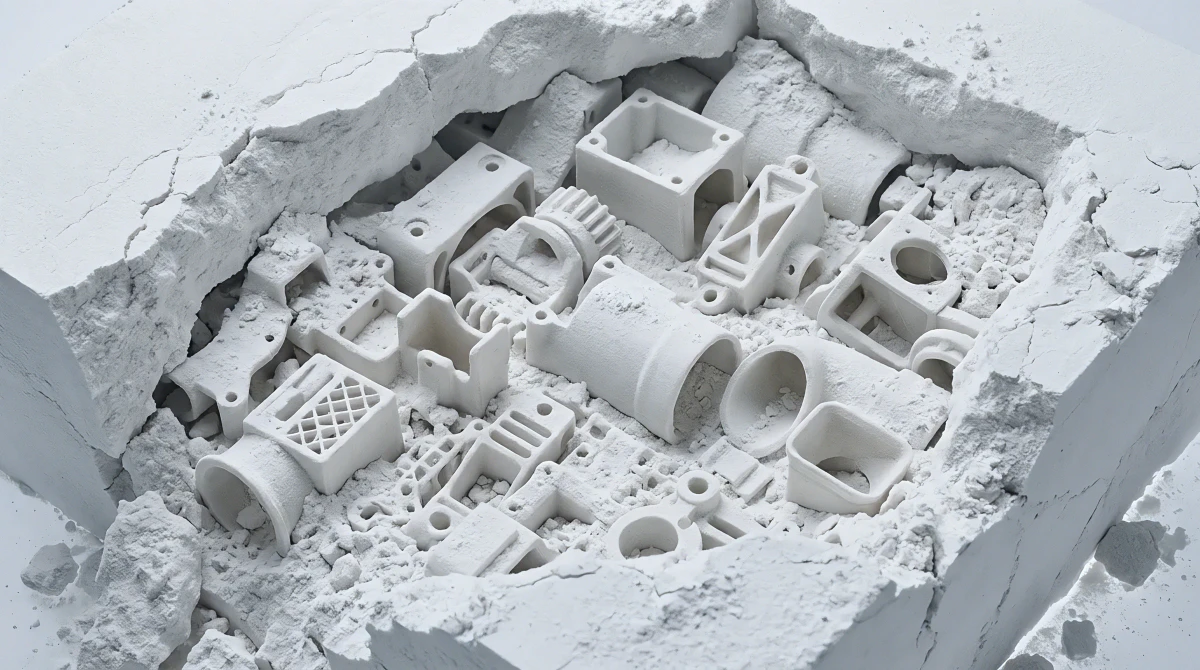
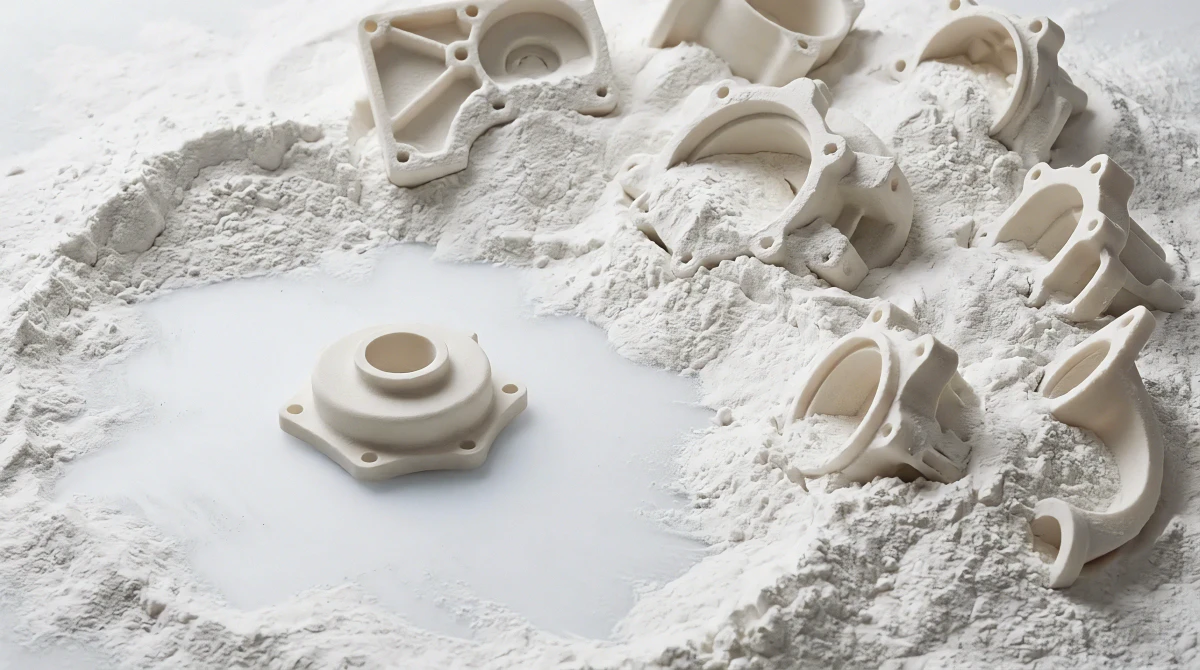
Powder bed fusion is the additive process category in which heat fuses regions of a powder bed, layer by layer, into solid parts.

Every Powder Bed Fusion article of the 3D Printing Resources, newest first, each written from published standards, research and makers’ data.

Meaning

Powder bed fusion is the additive process category in which heat fuses regions of a powder bed, layer by layer, into solid parts. It is one of the 7 categories of ISO/ASTM 52900. It is also one of only 2 that receive a clause of their own for processing terms, clause 3.8. Selective laser sintering (SLS), HP Multi Jet Fusion (MJF) and laser powder bed fusion of metal all belong to it.

Heat Sources

The processes in the category differ by heat source. SLS fuses polymer powder with a laser, and MJF fuses it with a fusing lamp in HP’s multi-agent process. Metal laser powder bed fusion melts powder with a 400 W fiber laser on the EOS M 290. Formlabs gives the same tolerance for SLS and MJF, ±0.5 % or 0.3 mm (0.012 in), whichever is larger.
Read More

Clock of a Build

A polymer powder bed build is long on waiting. In one Formlabs example, 3,231 nylon parts took 43 hours to print and 32 to cool on a Fuse X1. Its hands-on stages then took 20 to 25 minutes. In a 2026 review, powder bed fusion made 4.42 parts per hour per batch on a 30 mm (1.18 in) cube. In continuous running it made 9.47, more than double, which is what waiting time does to a single batch.

Parts per Build

Polymer parts sit buried in the cake, so a chamber fills in three dimensions with no supports. The count is chamber volume times packing density, divided by part volume. At 15 % packing, a 61.5 L (16.2 gal) Fuse X1 chamber holds about 461 parts of 20 cm³ (1.22 in³). A run is then planned in builds and cooldowns.

Crossover With Molding

In the 2026 benchmark, printed cost per part stayed constant for powder bed fusion while molded cost fell with quantity. Molding overtook printing at 10,263 identical 30 mm cubes. At 9.47 parts per hour, that quantity takes about 1,084 hours of printing, about 45 days without a stop. An 8-cavity mold at 1,920 parts per hour makes the same quantity in about 5.3 hours.
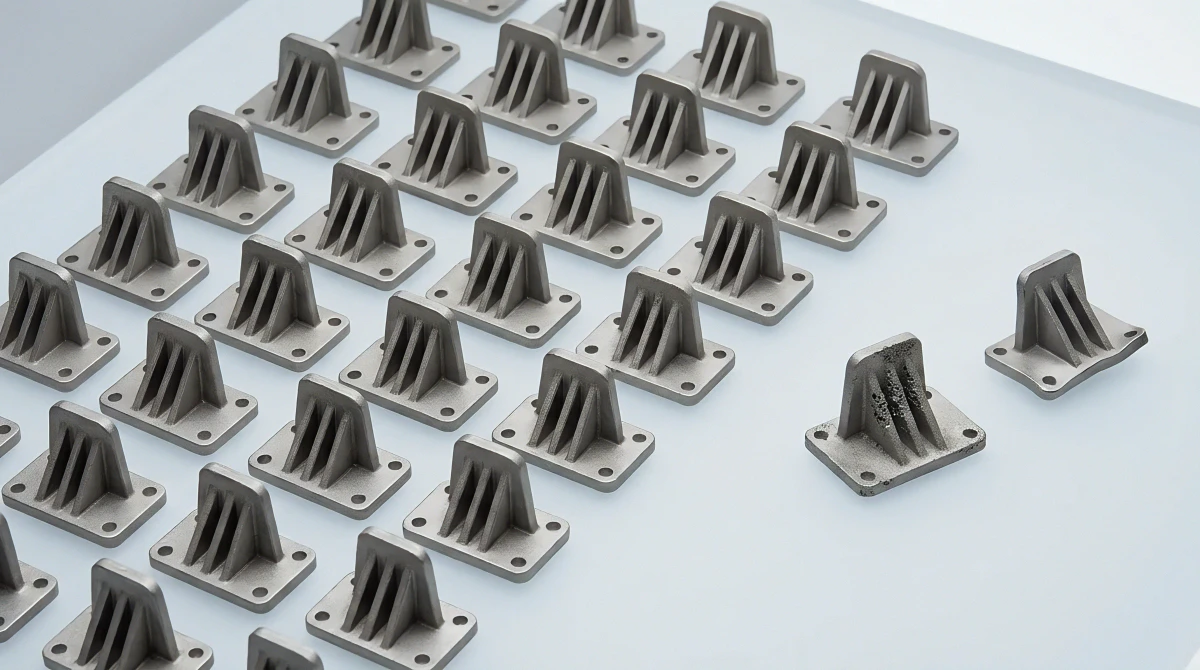
3D Printing Defects in a Production Batch Traced to Their Cause

A defect in a printed batch is traced by its pattern, every part, one zone, one build or a slow trend across builds, and each pattern points to its own cause and evidence.

Reading a Defect by Its Pattern Across the BatchThe 2022 review sorts the sources of metal powder bed defects into three groups: defects transferred from the feedstock powder, defects formed in the interaction of the beam with powder and metal during melting, and defects created in post-processing such as heat treatment. It adds a fourth set of contributors around them: the equipment, powder handling and dispensing, and build preparation, meaning orientation and supports.

Vapor Smoothing and Bead Blasting SLS Nylon Parts

Powder bed nylon is always bead blasted clean, then optionally shot surfaced for feel and color or vapor smoothed for a sealed glossy skin, and the order names the steps and the faces.

The Finishing Sequence for Powder Bed NylonThe DyeMansion test that opens this piece ran every part through the same steps, and its table of settings is the clearest published version of the sequence.

ASTM F3184 Specification for Powder Bed Fusion 316L Stainless Steel

ASTM F3184 fixes the chemistry, the thermal condition and the headings of a 316L order, and leaves the real property, density and inspection requirements for the buyer to write.

What ASTM F3184 Covers and Who It BindsASTM F3184, Standard Specification for Additive Manufacturing Stainless Steel Alloy (UNS S31603) with Powder Bed Fusion, is held by ASTM Committee F42 on additive manufacturing and printed in volume 10.04 of the Annual Book of ASTM Standards. The current edition is F3184-16, reapproved in 2023.

TPU Flexible Powder for SLS and MJF Parts

TPU from a powder bed is equally soft in every direction but stretches far less across its layers, so grade, machine, build direction and test method all belong in the order.

TPU Powder Grades and Their Tensile Properties in XY and ZFour makers' sheets give enough to compare. Forward AM, the additive business of BASF, publishes four Ultrasint TPU powders side by side in one brochure, which makes it the cleanest set: the same company, the same tests, four grades.

AlSi10Mg Aluminum Properties in Laser Powder Bed Fusion

Printed AlSi10Mg is stronger than the cast alloy as built, and the heat treatment named on the order decides how much strength is traded for ductility or conductivity.

AlSi10Mg Tensile and Yield Strength by Heat TreatmentThe first answer a buyer needs is the strength in each state the material is delivered in. Two makers publish it for their own systems and parameters, and their numbers are close enough to read together and different enough to show why the state and the source both travel with a figure.

How Many Parts Fit in One SLS or MJF Build

Chamber volume times packing density divided by part volume sets the count, and every term has a published limit.

How Many Parts Fit in a Powder Bed Fusion BuildPowder bed fusion, one of the seven process categories in ISO/ASTM 52900, builds parts inside a bed of powder that supports them, so a chamber can be filled in three dimensions and the parts need no support structures. The count that results is set by three quantities: the usable volume, the share of that volume that holds parts, and the volume of the part itself.

Inspecting a 3D Printed Production Run and When a Mold Takes Over

Accept the first printed part against written limits, keep the record, and weigh a mold by identical quantity and design stability.

How a Printed Production Run Is Inspected and AcceptedISO/ASTM 52901:2017, titled requirements for purchased AM parts, gives the frame. Its scope says it covers the elements to be exchanged between customer and part provider at the time of the order: customer order information, part definition data, feedstock requirements, final part characteristics and properties, inspection requirements and part acceptance methods.

How Long a Batch of 3D Printed Parts Takes From Print to Pack-Out

A printed batch runs on four clocks, build, cooldown, finishing and inspection, and a stated lead time should show each.

Lead Time for a 3D Printed Batch Stage by StageThe calendar of a batch has the same skeleton in every process. Files are prepared and nested, the machine builds, the work cools or cures, parts are separated from what held them, and finishing and inspection follow.

ISO/ASTM 52900 Additive Manufacturing Terms and the Seven Process Categories

The vocabulary standard fixes the words an additive order is written in, so name the process category beside the brand and let other standards set quality.

What ISO/ASTM 52900 Covers and What It Leaves OutISO/ASTM 52900 establishes and defines the terms used in additive manufacturing (AM), the technology that applies an additive shaping principle and builds physical three-dimensional geometries by successive addition of material. Its scope sentence also states that the terms are classified into specific fields of application.

Send the 3D File of Your Printed Part

Send the 2D drawing and the 3D file, with the quantity and the stage of the project. An engineer replies within 1 working day.

The quote form, the mutual NDA and the private folder for your files are on Protolis Atelier, with 3D Printing chosen.

Request a Quote