Meaning
Tensile strength is the highest stress a specimen carries in a pull test before it breaks, given in MPa (ksi or psi). Datasheets list it beside yield strength and elongation, with the method and the specimen orientation. On printed parts it moves less with build direction than elongation does. A figure is comparable with another only when the method, orientation and statistical basis match.Metal Values
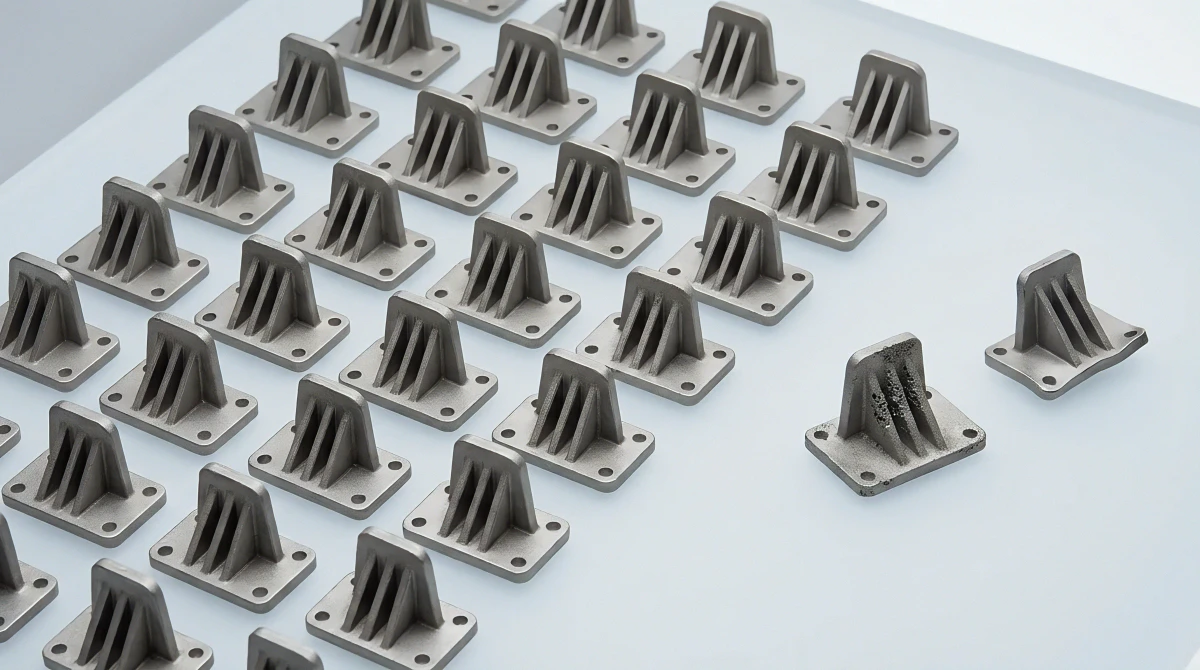
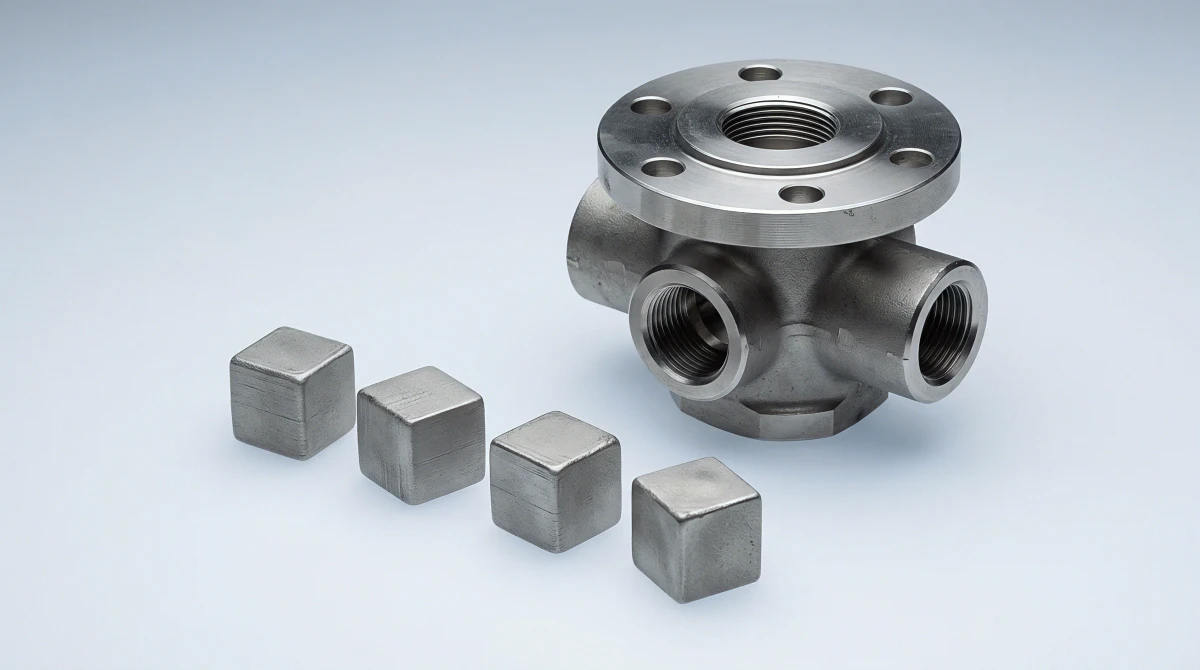
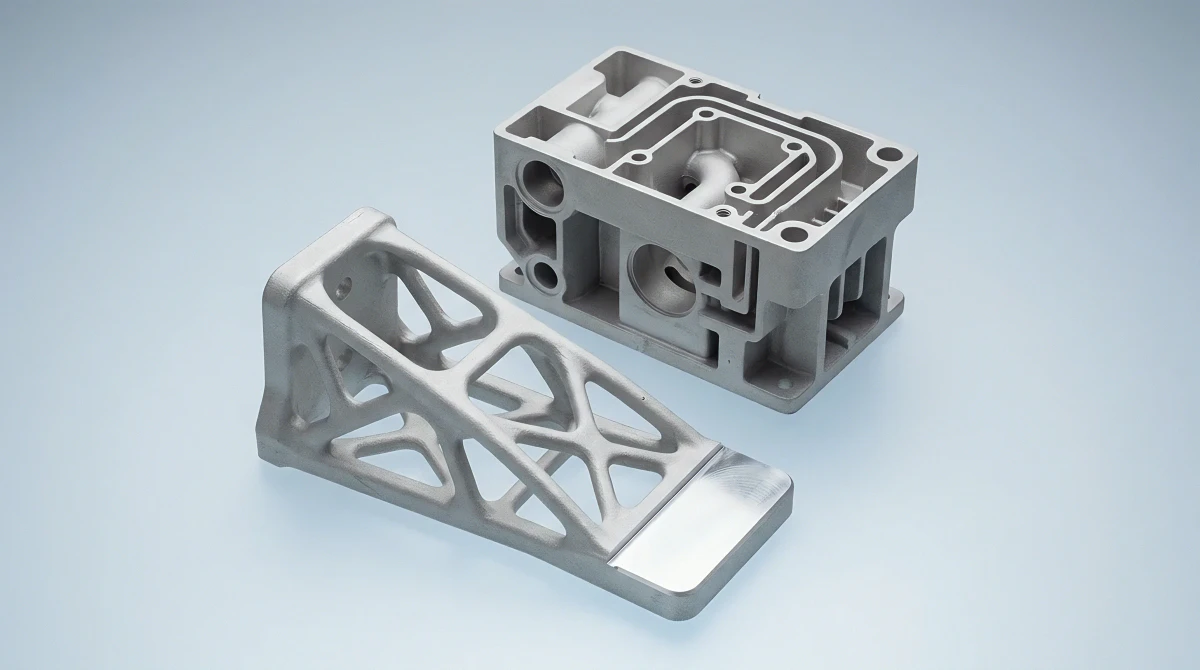
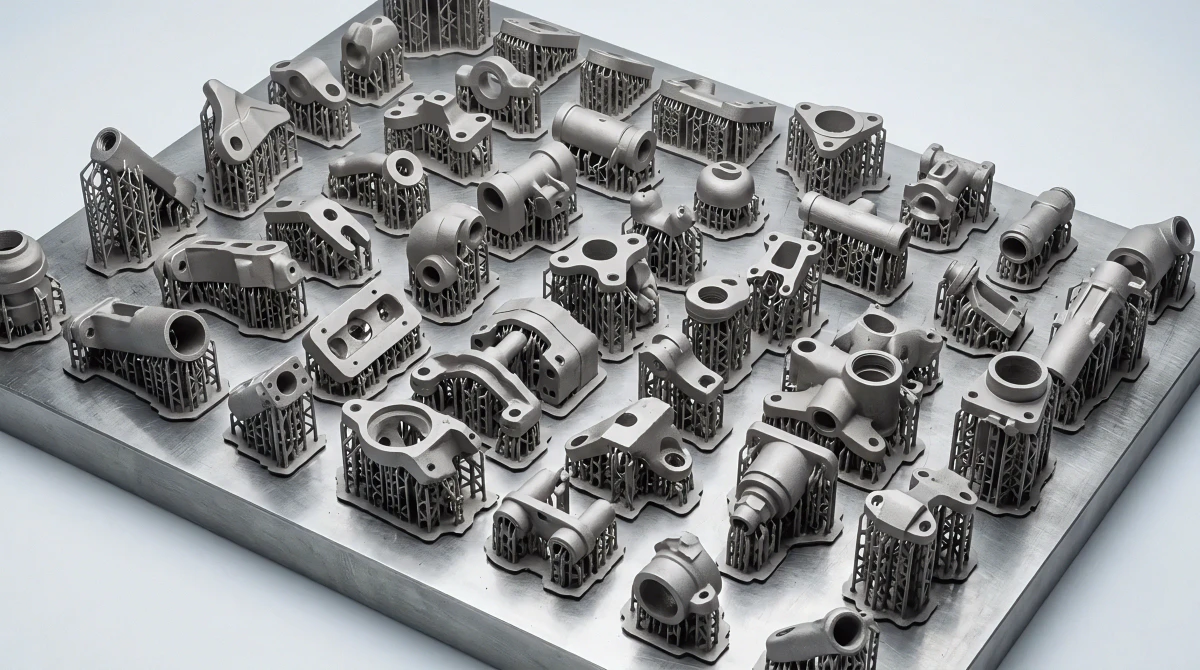
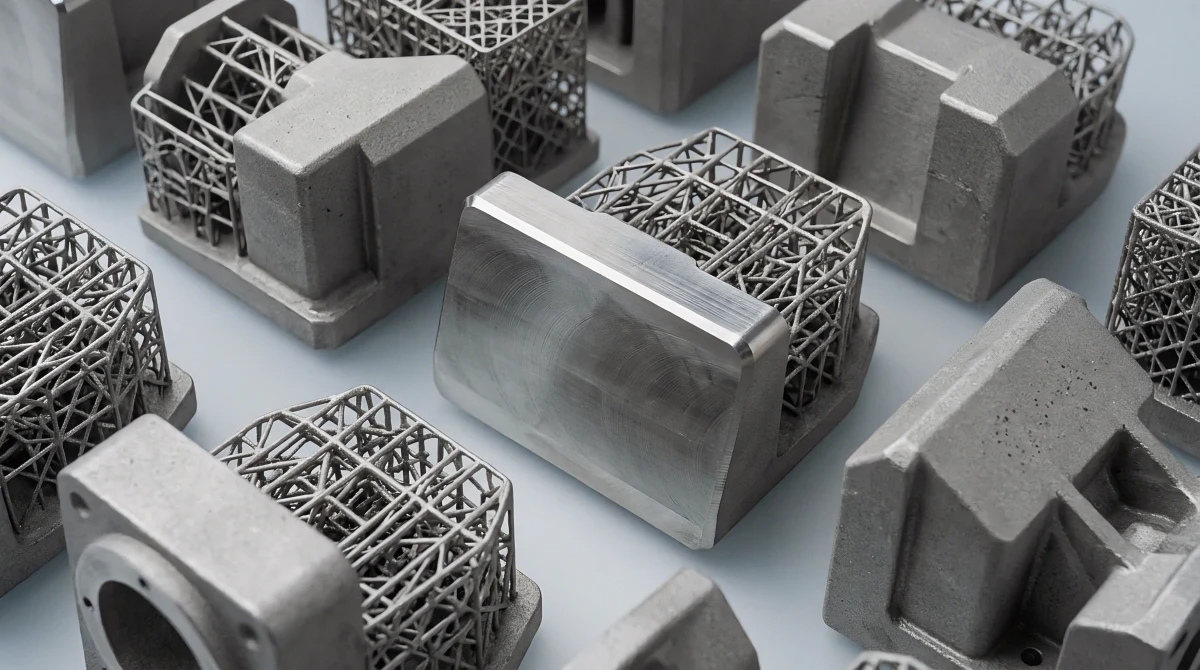
On the EOS M 290 at 20 µm, printed 316L reaches 560 MPa (81.2 ksi) vertical, tested to ISO 6892-1. The horizontal bar reaches 645 MPa (93.6 ksi). The gap is 85 MPa (12.3 ksi), 13 % of the horizontal figure. The EOS process data sheet for 316L-4404 at 40 µm gives 600 and 690 MPa (87.0 and 100.1 ksi).Read More
Polymer Values
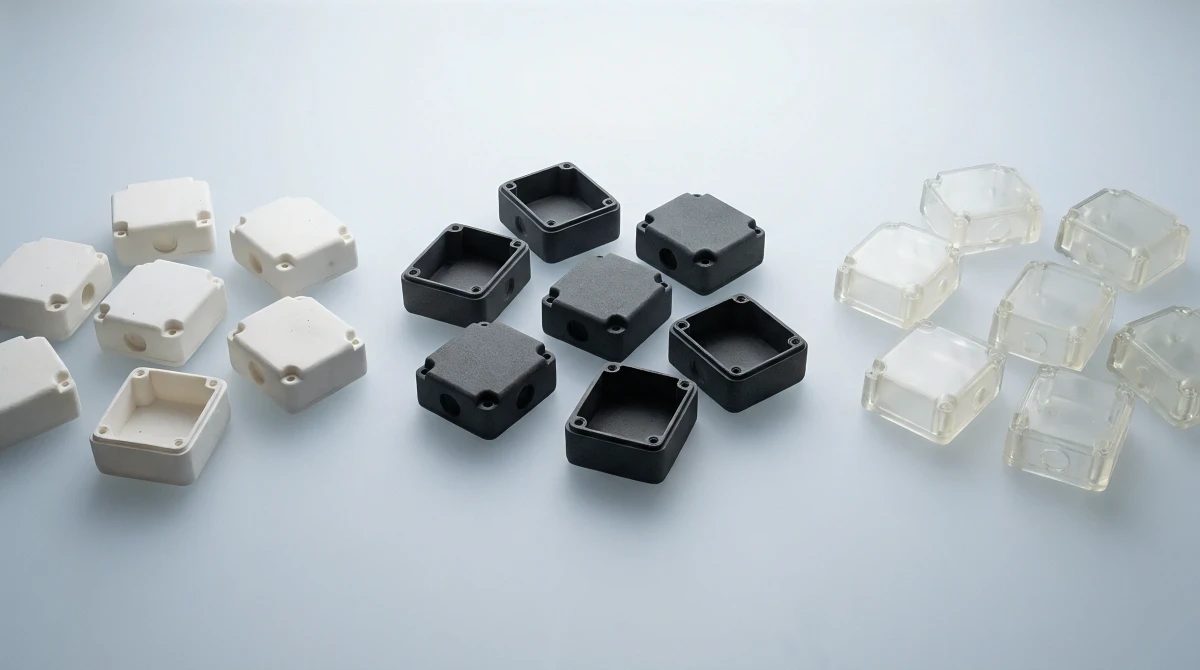
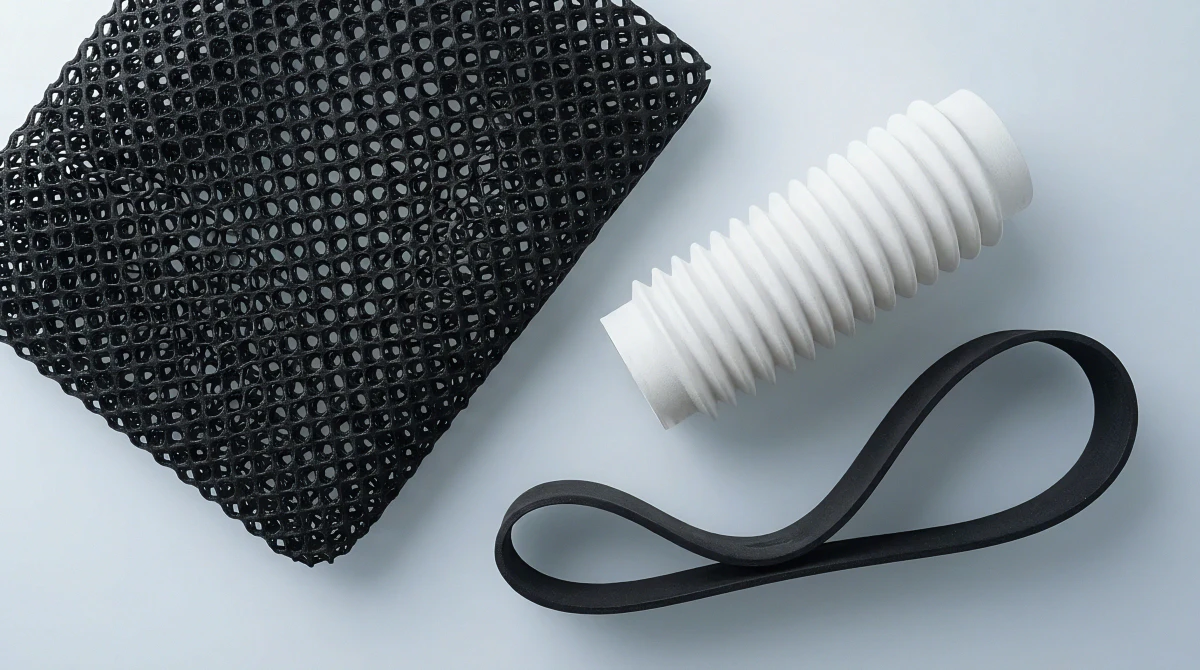
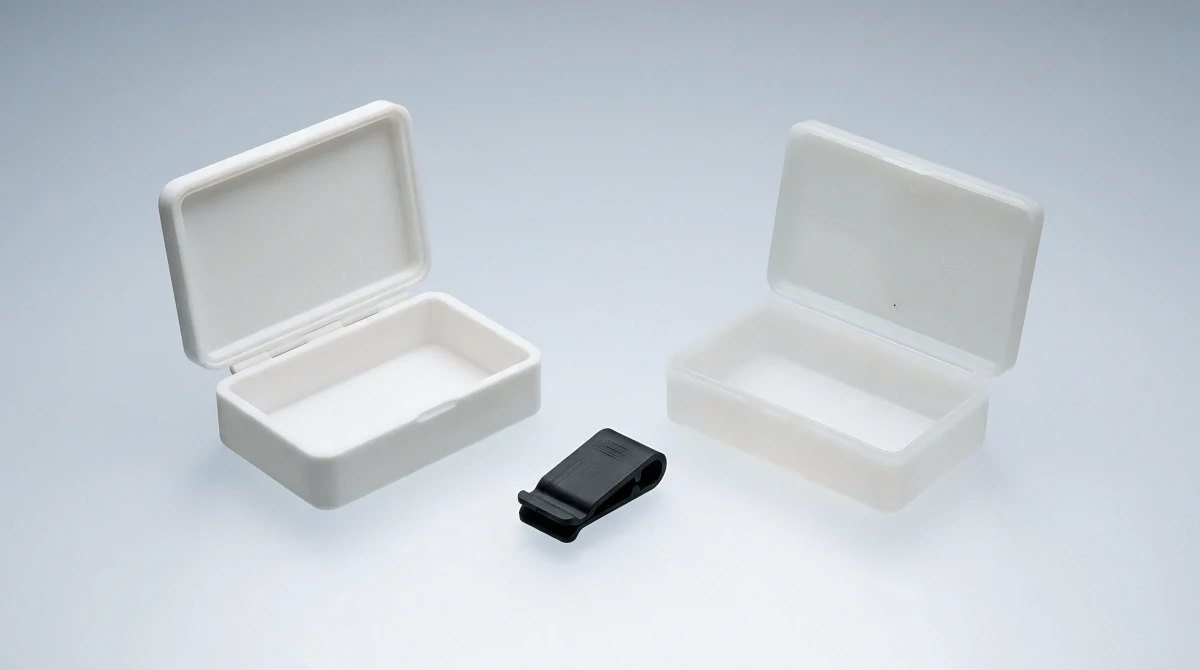
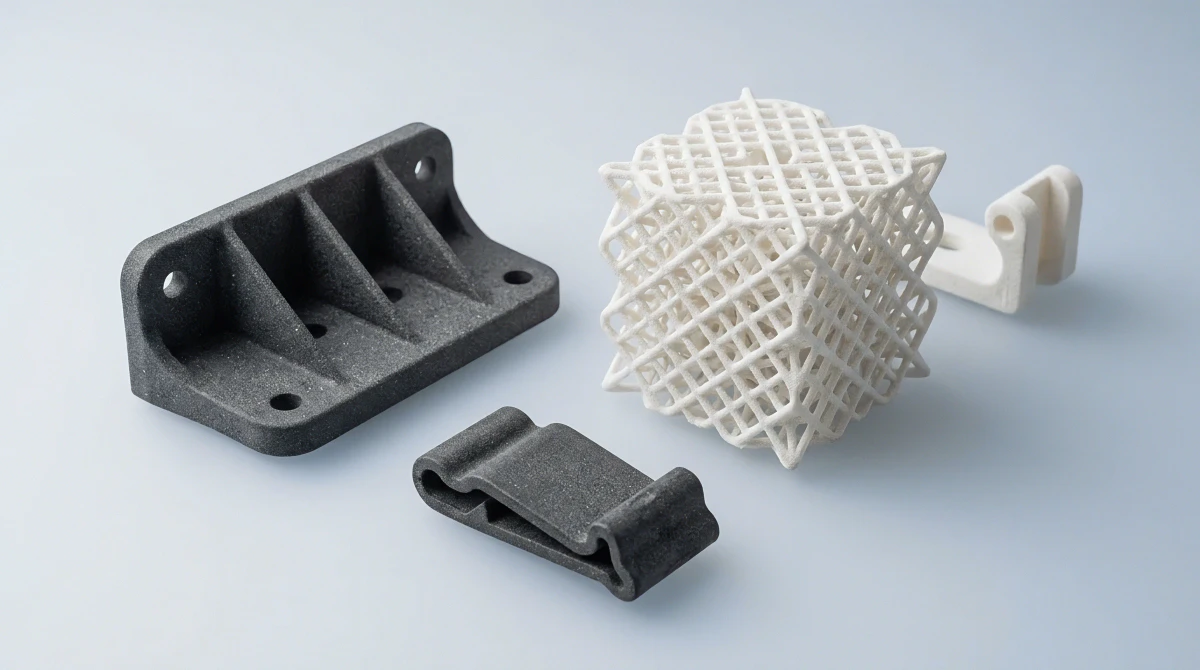
PA 2200 gives 48 MPa (6,960 psi) in X and Y and 42 MPa (6,090 psi) in Z under ISO 527. HP High Reusability PA 12 gives 48 MPa in XY and in Z under ASTM D638. Its glass bead grade gives 30 MPa (4,351 psi), 38 % lower than the plain grade.Resin Values
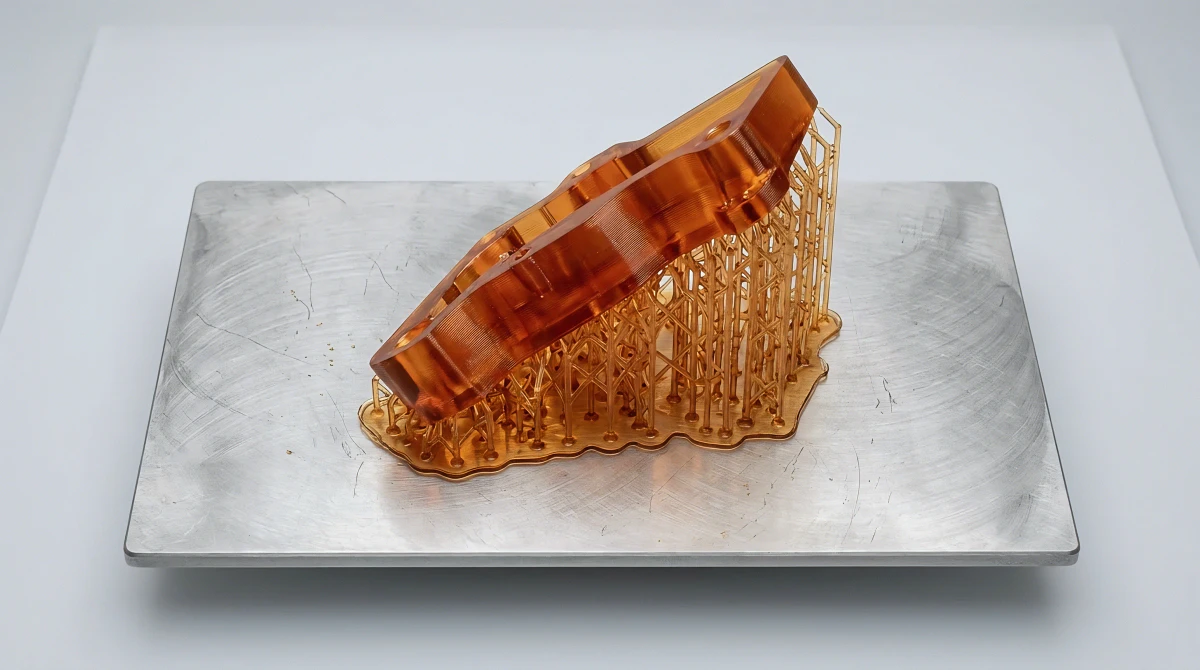
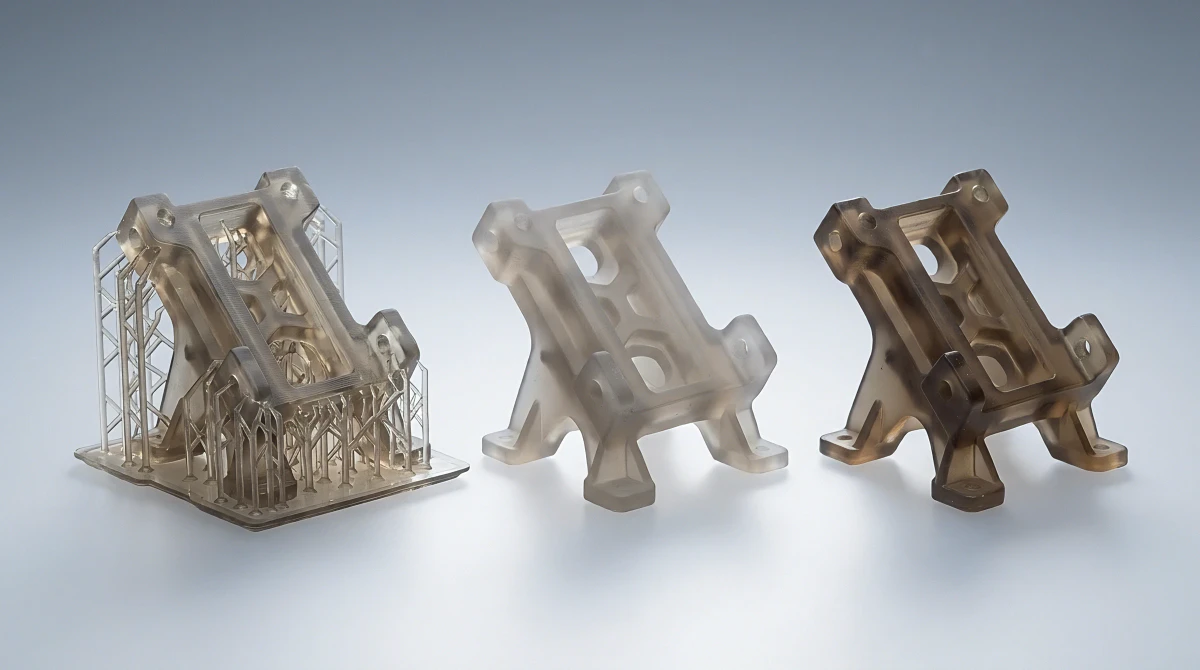
Formlabs Tough 2000 Resin V2 reaches 40.4 MPa (5,860 psi) after its cure, against 39 MPa (5,657 psi) for extruded ABS sheet. Accura Xtreme gives 38 to 44 MPa (5.5 to 6.4 ksi), and Accura 25 gives 38 MPa (5.5 ksi). Somos EvoLVe 128 gives 56.8 MPa (8.2 ksi) at yield. Accura 60 gives 63 MPa (9.1 ksi) in the 3D Systems selection guide.Strength and Failure Mode
Strength alone can hide the failure mode. PA 2200 keeps 88 % of its strength along Z while losing 78 % of its elongation. Tough 2000 Resin V2 matches ABS on strength and modulus, yet its work of fracture is 15 % of the ABS figure. An order asks for the property that governs the part’s duty, with its method and orientation.