Meaning
Post-processing is every operation a printed part goes through between the end of the build and its inspection. It covers cooling, depowdering, washing, curing, heat treatment, cutting from the plate, support removal, blasting, machining, sanding and finishing. ISO/ASTM 52901 lists post-processing as clause 4.4.5 of an order, under which the buyer states the steps and their parameters. Each step can change a size, a surface or a property that the build had fixed.Sequence by Process
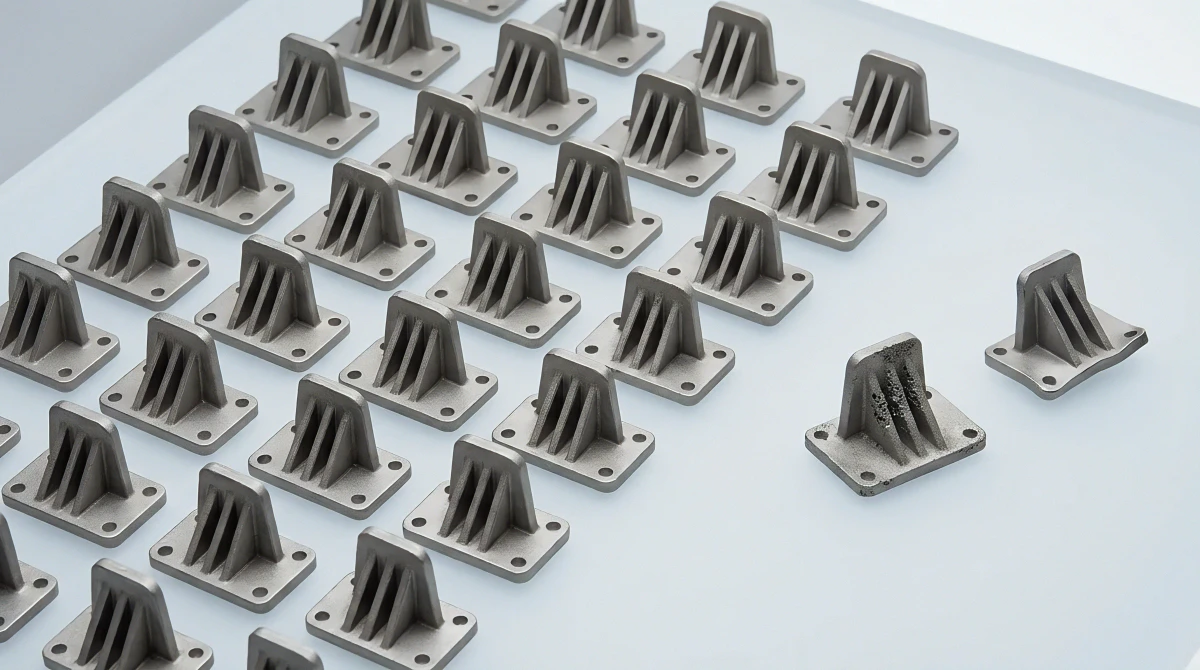
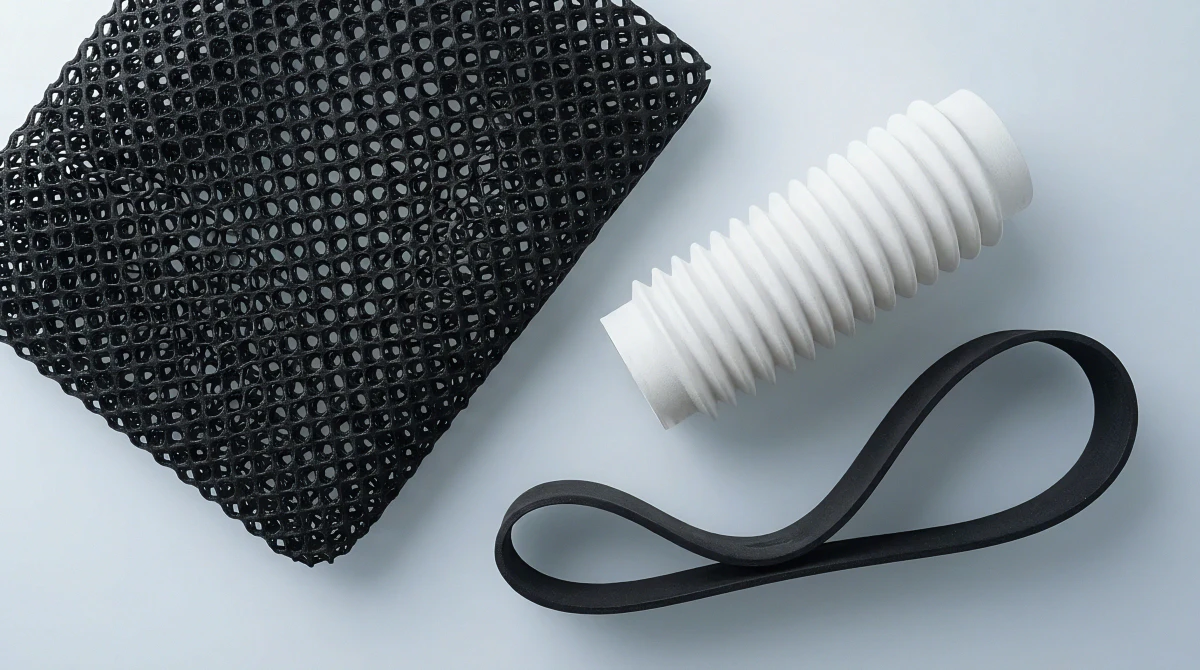
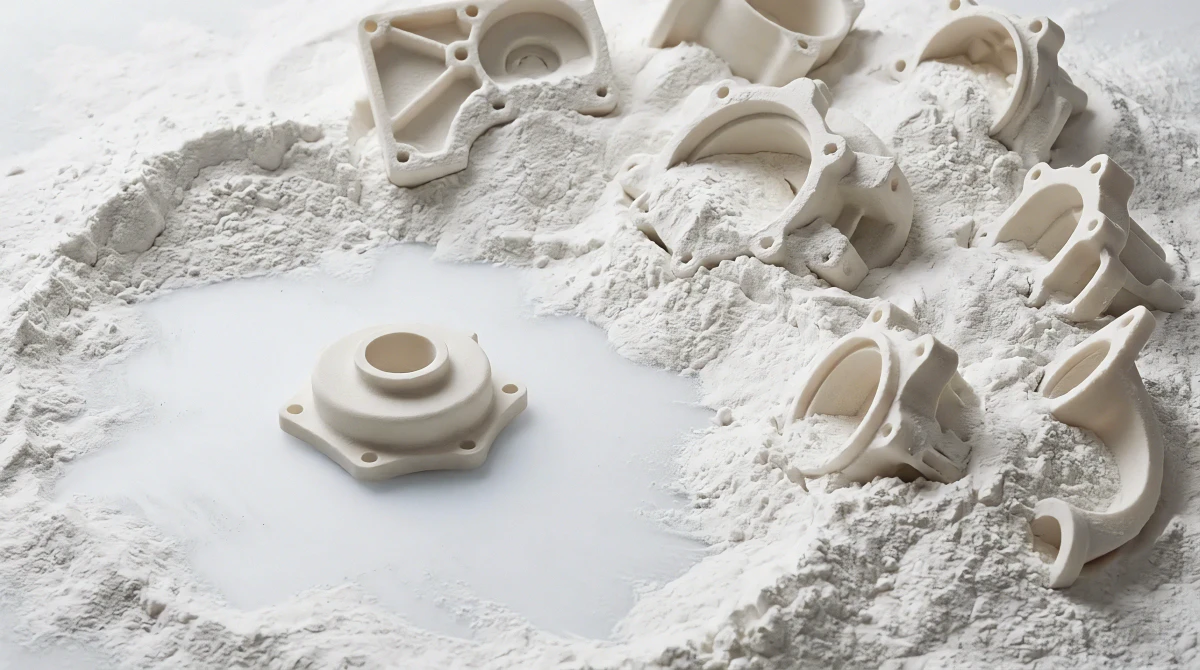
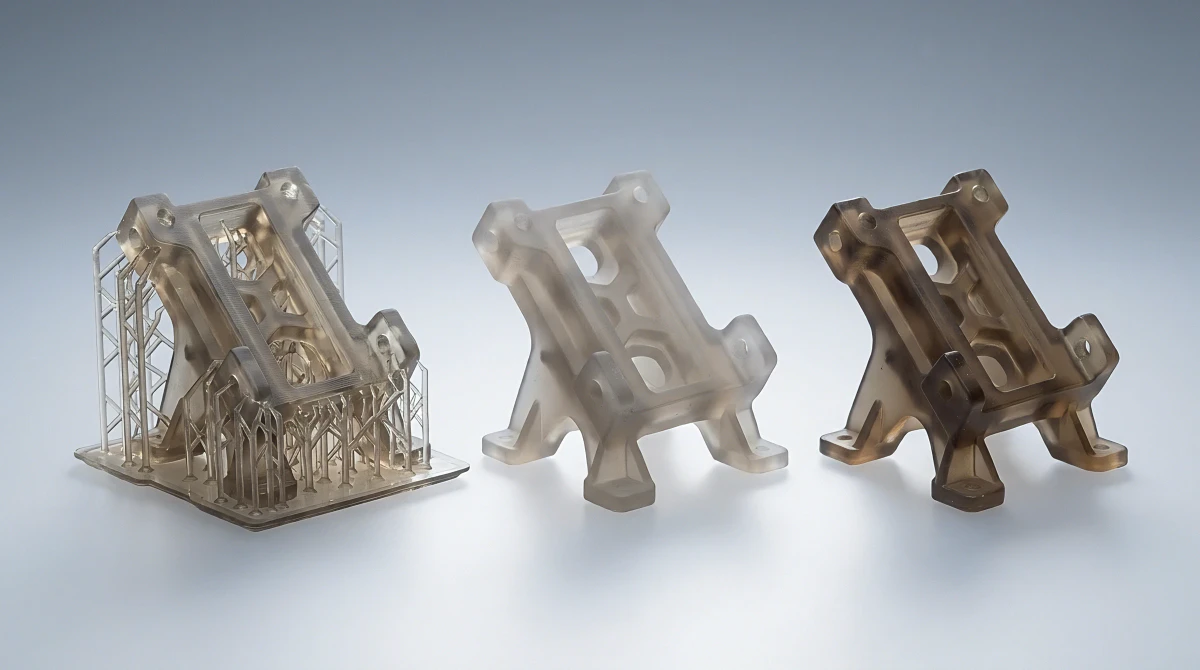
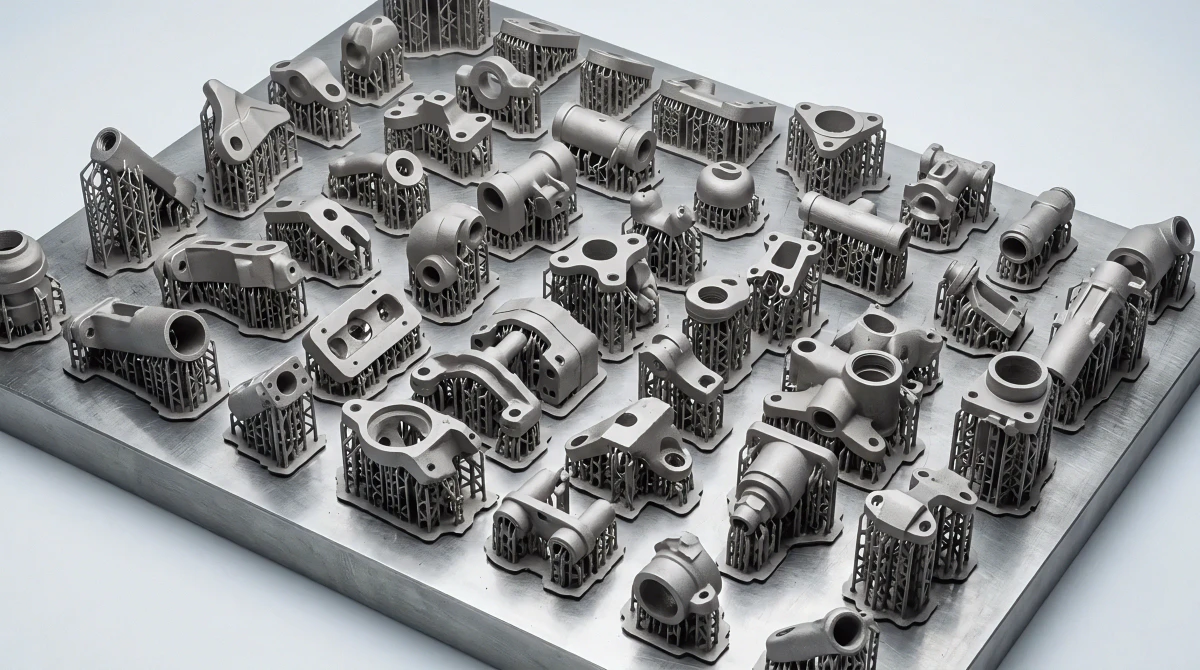
Each process family follows its own fixed order, set by what each step needs from the one before. A nylon build cools as a cake, is unpacked and sifted, then blasted, and dyeing or smoothing is applied to the clean parts. A resin part is washed, dried and cured, and only then freed of its supports, because parts can warp under light and heat without them. A metal part is stress relieved on its plate, cut free by bandsaw or wire erosion, cleared of supports by hand and blasted. Critical features are machined where the drawing calls for it.Read More
Effect on Size
Several steps move a dimension after it was printed. Post-curing shrinks a resin part, and Formlabs print preparation software compensates for that shrinkage automatically. On the EOS 316L material data sheet, heat treatment changes a size by +0.02 % on the 20 µm set. It changes it by +0.2 % on the 40 µm set. Sanding changes the dimension it touches. In the Formlabs test, nylon parts unpacked above 70 °C (158 °F) warped consistently. A tolerance therefore states the stage at which it applies, and the inspection follows the last step that moves it.Effect on Surface
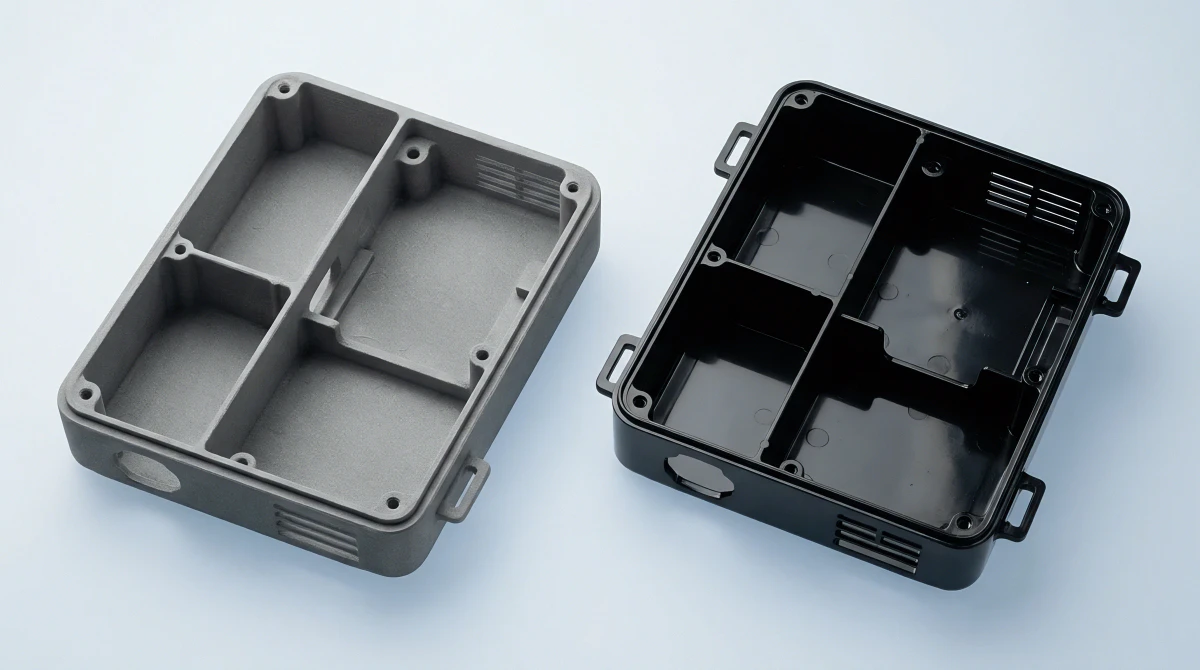
Finishing steps change what a gauge reads on a face. EOS gives vertical faces of printed 316L as Ra 13 ± 5 µm (512 ± 197 µin). Shot peening brings them to Ra 5 ± 2 µm (197 ± 79 µin), and polishing to below Rz 1 µm (39 µin). Supports leave rough contact points on metal that are ground by hand, and marks on resin that are sanded dry or wet. A Fuse Blast cleans and blasts the parts of a Fuse X1 chamber in about 20 minutes.Time and Labor
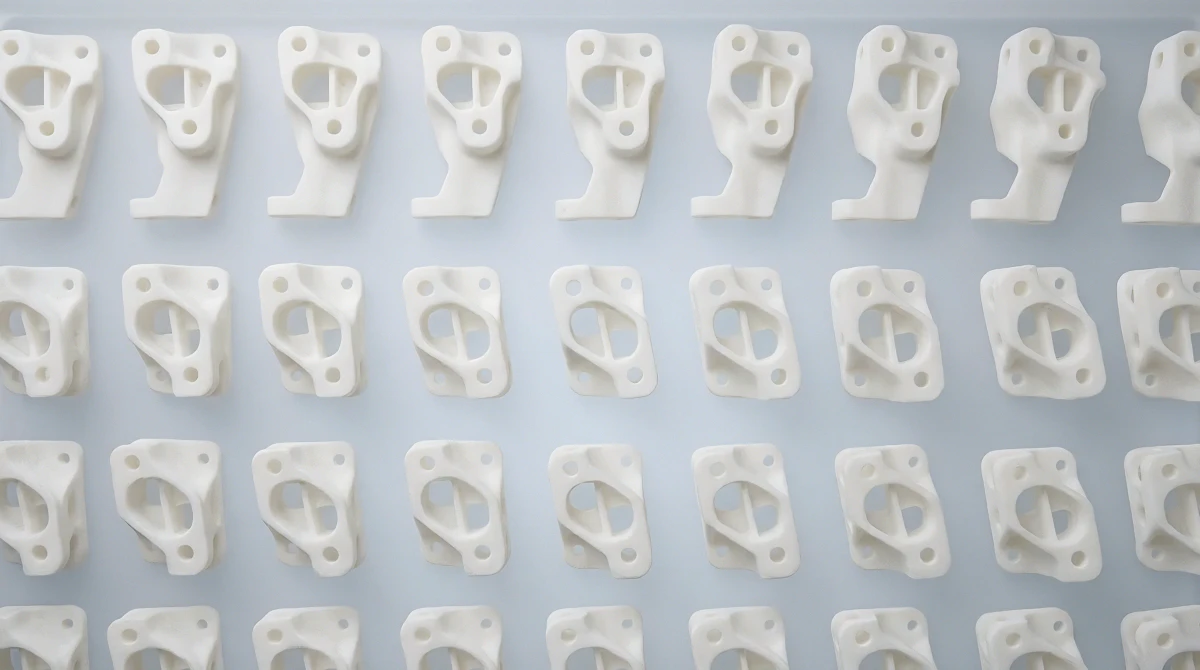
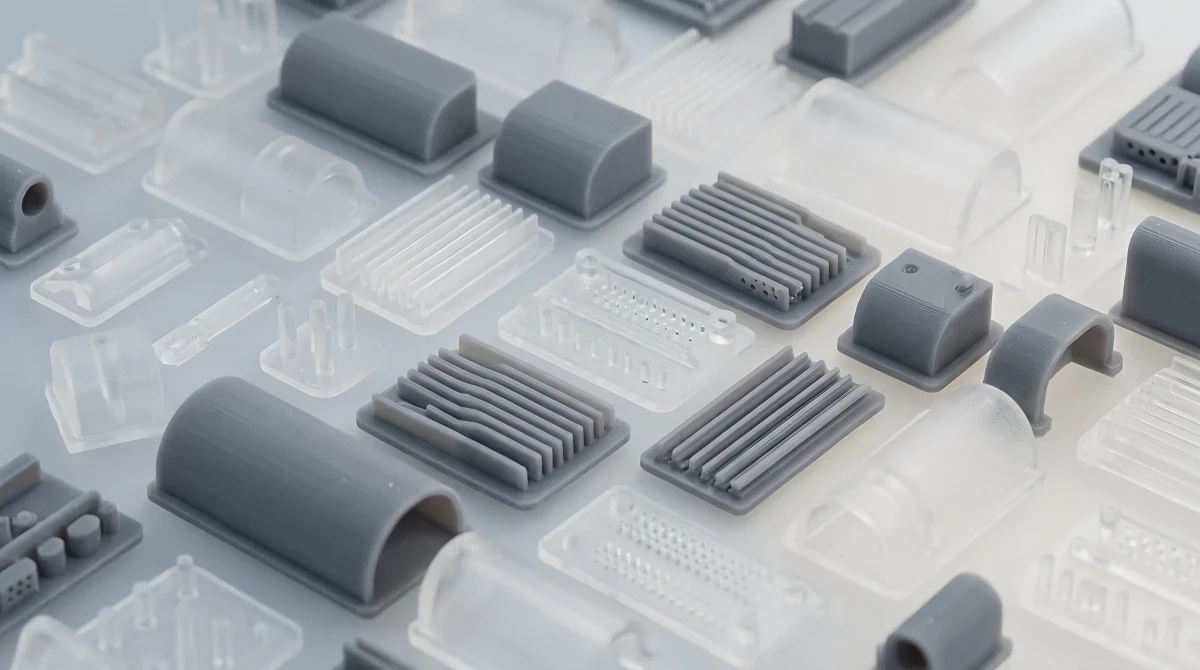
Post-processing runs on two clocks, waiting time per build and hands-on time per part. Formlabs states that a Fuse X1 build of 3,231 nylon parts cools for 32 hours. It then needs 20 to 25 minutes of active labor within 35 to 40 minutes. A resin batch of 3,000 parts has 3,000 sets of supports to cut. MakerVerse calls metal support removal time-consuming and labor-intensive. A 316L stress relief holds at least 2 hours at 900 °C (1,652 °F), and the furnace’s heating and cooling come on top.Failure Mode
The faults of post-processing show on the bench or the measuring machine, not in the printer log. A resin part whose supports came off before post-cure can warp under light and heat. A tacky resin surface after drying points to solvent loaded with resin, an under-washed part or both. A stainless part whose quench was slower than the datasheet asks can lose corrosion resistance to chromium carbides. A 316L wall near the 0.3 to 0.4 mm (0.012 to 0.016 in) minimum has little margin against a chisel during support removal. A nylon part that rattles or a bore that refuses its gauge pin points to powder left in a cavity.Post-Processing Record
The post-processing record is process control information under ISO/ASTM 52901, and a reorder depends on it. A different wash bath or oven in a second batch changes a resin part without changing the drawing. A metal order names heat treatment before plate removal, the cutting method, the support removal method and the faces that may carry marks. A nylon order names the unpacking temperature ceiling and the refresh ratio. An order can assign outside steps, such as heat treatment, machining or inspection, under the clause on authorized outside service providers.