Shrinkage

Shrinkage is the reduction in a printed part's size as its material finishes curing or cooling after the build.

Every Shrinkage article of the 3D Printing Resources, newest first, each written from published standards, research and makers’ data.

Meaning

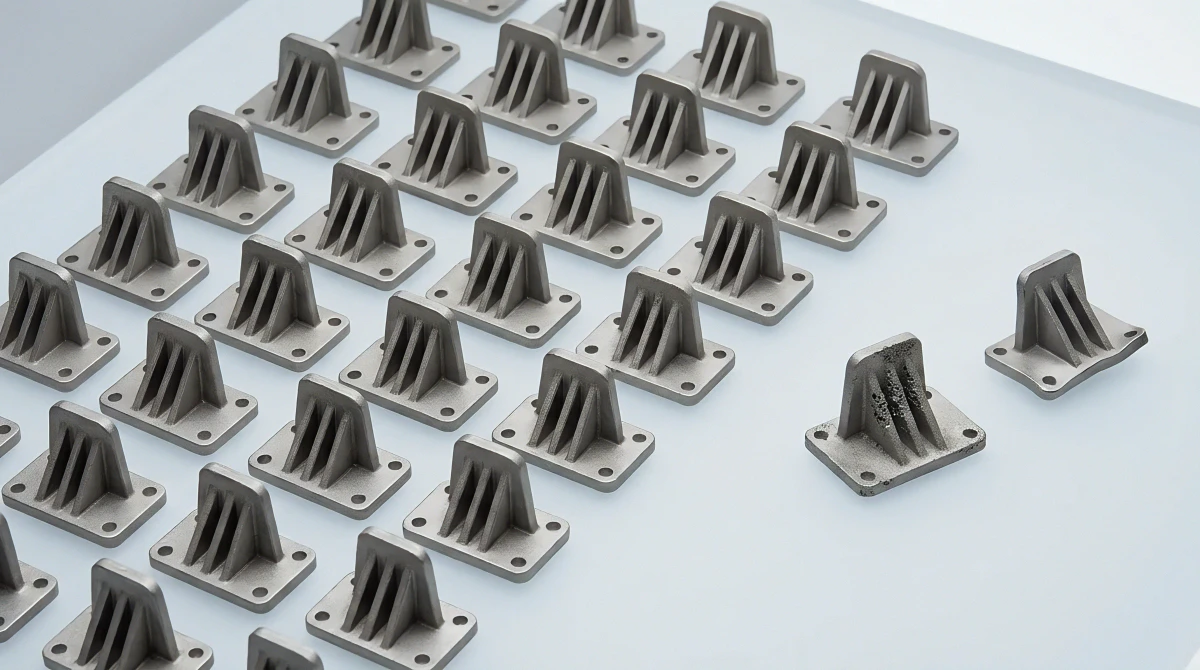
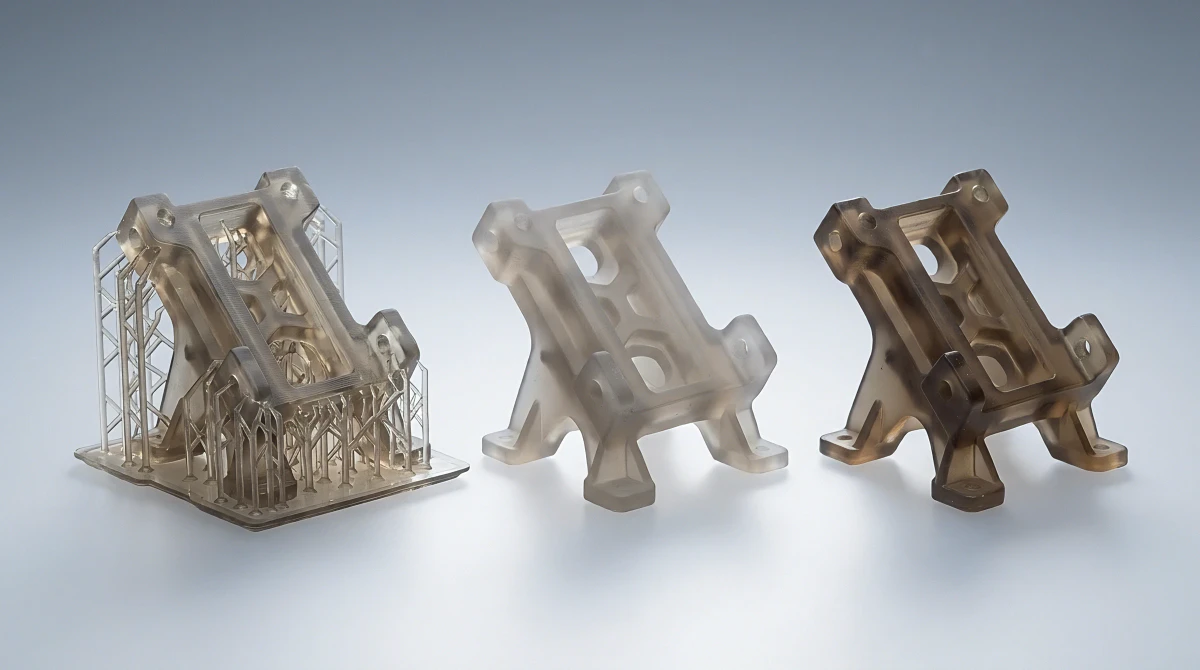
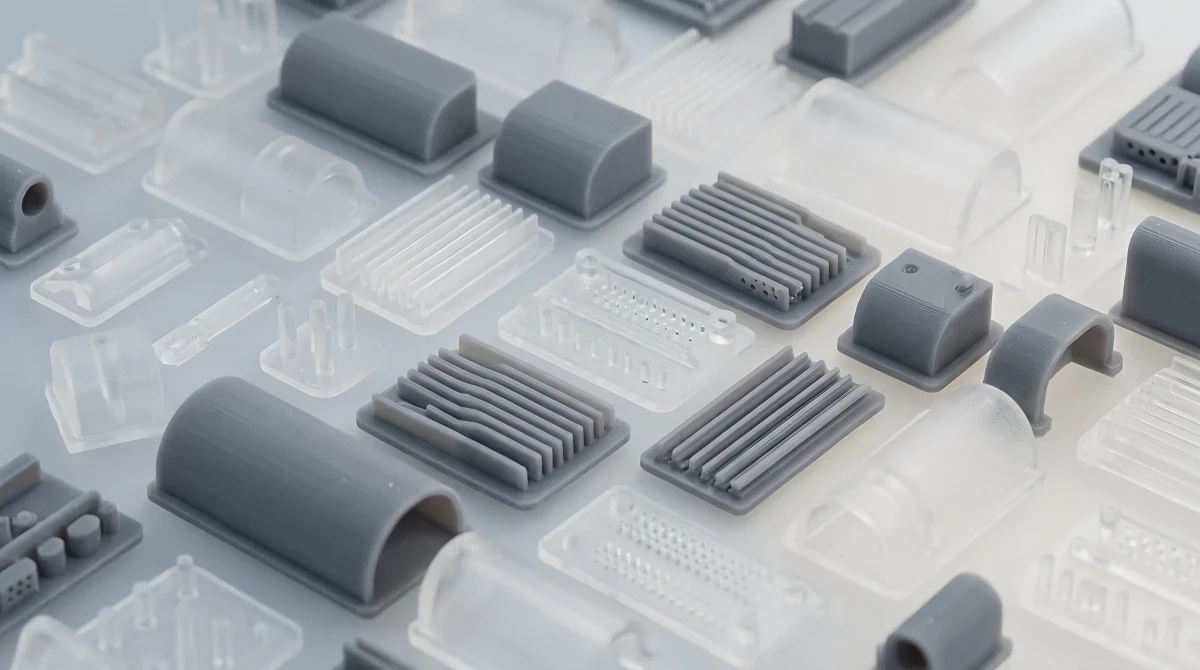
Shrinkage is the reduction in a printed part’s size as its material finishes curing or cooling after the build. In resin parts it comes from post-cure, which Formlabs calls normal for stereolithography (SLA) and digital light processing (DLP). Formlabs print preparation software compensates for it automatically, so post-cured prints match the computer-aided design (CAD). A dimension measured before the cure is therefore not the dimension of the delivered part.

Resin Parts

Post-curing completes the reaction that the printer started, taking the part from its green state to its finished properties. Tough 2000 Resin V2, for one, cures for 12 minutes at 70 °C (158 °F) in a Form Cure V2. A part cured less, or more, is a different part in size as well as in properties. The tolerance on a resin drawing applies to the post-cured part, with the cure schedule named.
Read More

Powder Parts

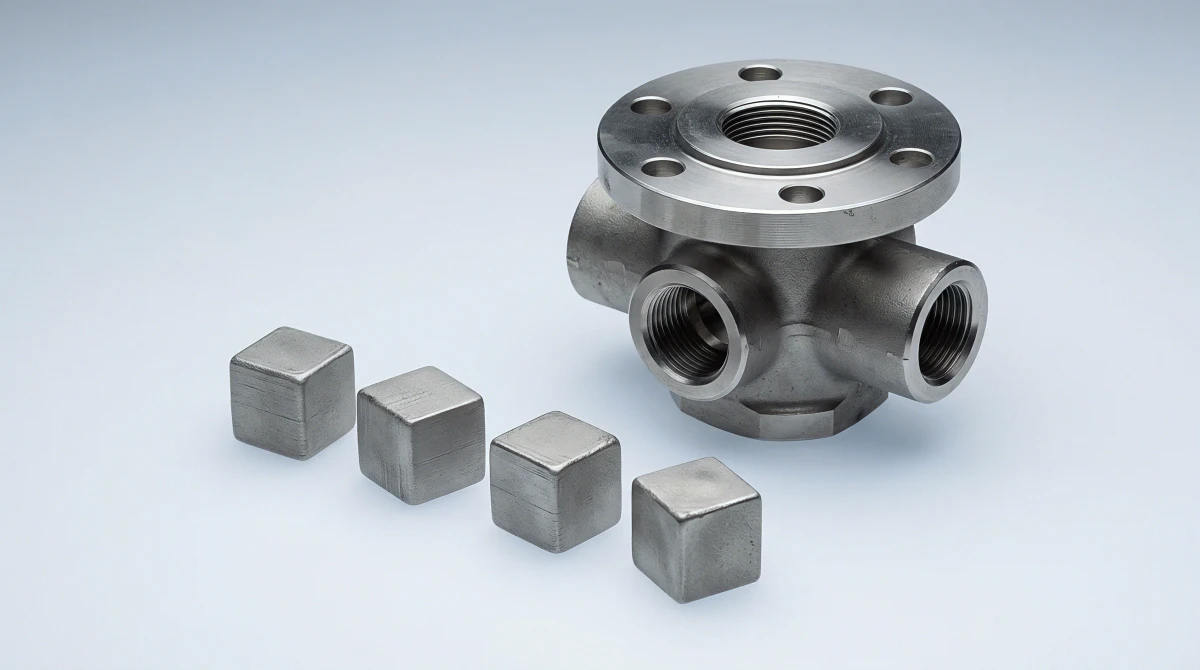
A nylon part inside a cooling cake is still shrinking as it cools. Formlabs found that parts unpacked hot warped more, and set 50 °C (122 °F) as the ideal unpacking temperature. On a laser-sintered nylon block the build offset ran the other way, with the 100 mm (3.94 in) XY block averaging 100.22 mm (3.946 in).

Inspection

Dimensions that shrink during post-cure are among the 4 kinds of feature that earn every-part inspection. A resin part is measured after cure, and the report names that stage. An order that names inspection without its stage leaves the supplier free to measure before the cure.

Handover

At a handover to a mold, the molder receives the list of steps that changed dimensions. Cure shrinkage and hand finishing are the 2 items that list names first.
3D Printing Defects in a Production Batch Traced to Their Cause

A defect in a printed batch is traced by its pattern, every part, one zone, one build or a slow trend across builds, and each pattern points to its own cause and evidence.

Reading a Defect by Its Pattern Across the BatchThe 2022 review sorts the sources of metal powder bed defects into three groups: defects transferred from the feedstock powder, defects formed in the interaction of the beam with powder and metal during melting, and defects created in post-processing such as heat treatment. It adds a fourth set of contributors around them: the equipment, powder handling and dispensing, and build preparation, meaning orientation and supports.

ASTM F3184 Specification for Powder Bed Fusion 316L Stainless Steel

ASTM F3184 fixes the chemistry, the thermal condition and the headings of a 316L order, and leaves the real property, density and inspection requirements for the buyer to write.

What ASTM F3184 Covers and Who It BindsASTM F3184, Standard Specification for Additive Manufacturing Stainless Steel Alloy (UNS S31603) with Powder Bed Fusion, is held by ASTM Committee F42 on additive manufacturing and printed in volume 10.04 of the Annual Book of ASTM Standards. The current edition is F3184-16, reapproved in 2023.

SLA Wash and Post-Cure Step by Step From Green Part to Finished Resin Part

Wash each resin for its own time, dry it fully, cure to the datasheet condition, then remove supports and measure.

SLA Wash, Dry, Cure and Support Removal in OrderThe part leaves the printer in a green state: polymerized enough to keep its shape, but with its reaction unfinished and a film of liquid resin over it. The order in which the finishing steps run is set by what each one needs from the one before.

SLA Dimensional Tolerance by Feature Size

SLA tolerance is published as a percentage of feature size with a small floor, so a drawing writes bands and a post-cure condition and not one general figure.

SLA Tolerance Values Published by Two MakersTable 1 states the two specifications as their makers print them. Neither is a guarantee for a delivered part, and the Formlabs guide notes that the best way to judge a printer is to inspect real parts.

Tough SLA Resins as Stand-Ins for ABS and Polypropylene

Tough SLA resins match ABS on stiffness and strength but not on fracture energy or heat, so a part needs the row that governs its duty.

What a Tough SLA Resin Is Meant to ReplaceA tough SLA resin is a photopolymer that cures under ultraviolet light into a solid that bends before it breaks. Its makers aim it at the parts where earlier SLA resins cracked: snap fits, hinges, housings that are dropped and jigs that get clamped.

Send the 3D File of Your Printed Part

Send the 2D drawing and the 3D file, with the quantity and the stage of the project. An engineer replies within 1 working day.

The quote form, the mutual NDA and the private folder for your files are on Protolis Atelier, with 3D Printing chosen.

Request a Quote