ASTM D638

ASTM D638 is the ASTM tensile test method for plastics that HP and 3D Systems quote on their datasheets.

Every ASTM D638 article of the 3D Printing Resources, newest first, each written from published standards, research and makers’ data.

Meaning

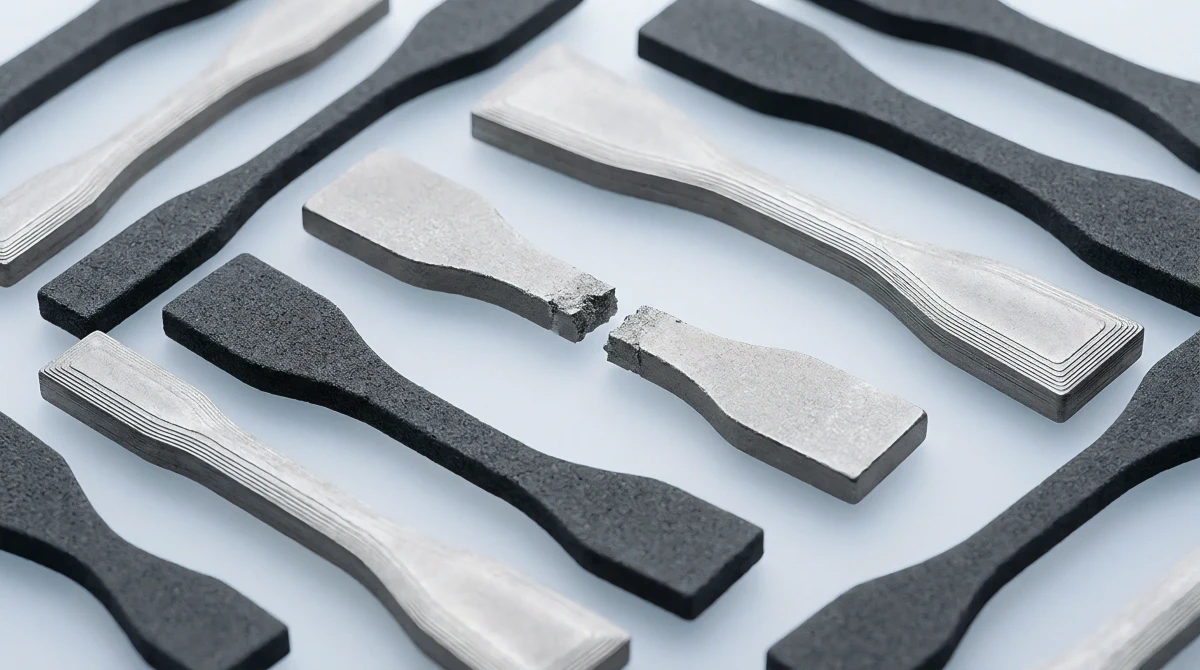
ASTM D638 is the ASTM tensile test method for plastics that HP and 3D Systems quote on their datasheets. It is the counterpart of ISO 527, which EOS uses for PA 2200. HP tests on type V specimens, and Stratasys quotes ASTM D638M for Somos EvoLVe 128. Results from the ASTM and ISO procedures are not interchangeable, because the specimen size and test speed differ.

HP Practice

HP’s glass bead sheet states its test speeds, 1 mm/min (0.04 in/min) for Z specimens and 10 mm/min (0.39 in/min) for XY specimens. The Z and XY figures are therefore not taken at the same strain rate. That sheet defines its orientations by ASTM F2971. Under D638, High Reusability PA 12 gives 48 MPa (6,960 psi) in XY and in Z, with 20 % and 15 % elongation.
Read More

Resin Practice

3D Systems tests Accura Xtreme and Accura 25 to ASTM D638, D790 and D256 and prints ranges. Accura Xtreme gives 38 to 44 MPa (5.5 to 6.4 ksi). The Formlabs Tough 2000 Resin V2 page does not state its test standards. Its figures may therefore not come from the same procedure as the 3D Systems figures beside them.

Figure Comparison

A strength compared across EOS and HP is a comparison of two procedures as much as two powders. A buyer sets ASTM D638 figures beside other ASTM D638 figures, at the same specimen type, speed and orientation. Where only an ISO figure exists, the order asks for the other.

Test Request

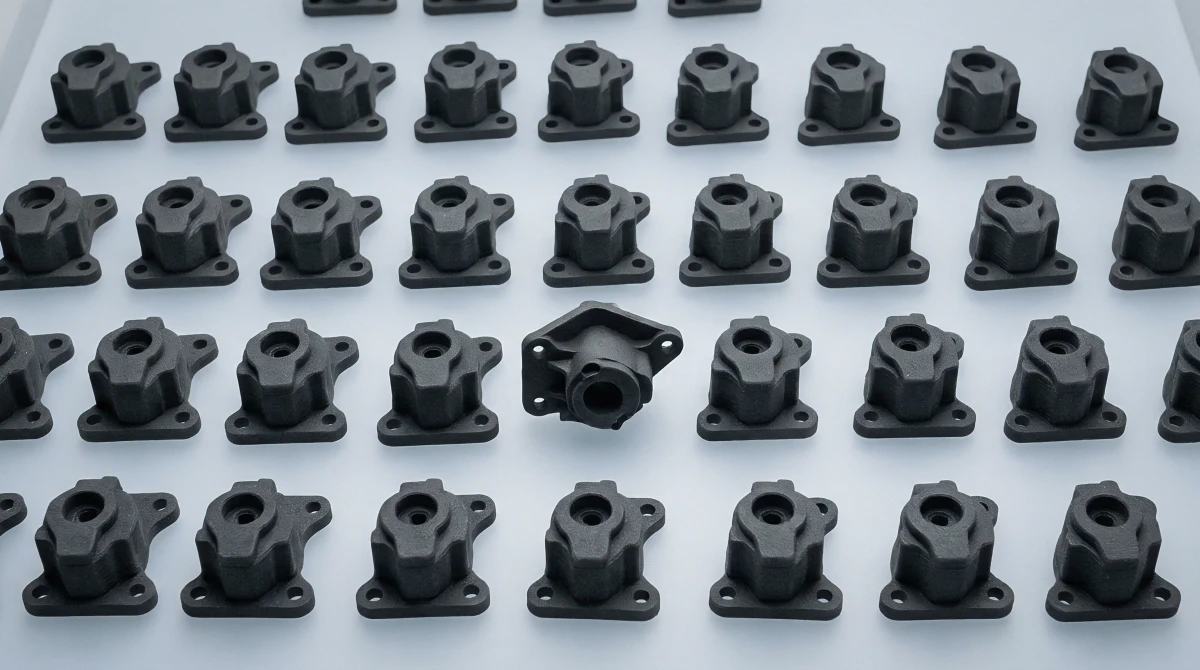
An order names ASTM D638 with its specimen type, the test speed and the orientation. For witness specimens printed with the parts, it names the number per build and where they sit in the chamber.
Orienting and Supporting a Part for SLA Printing

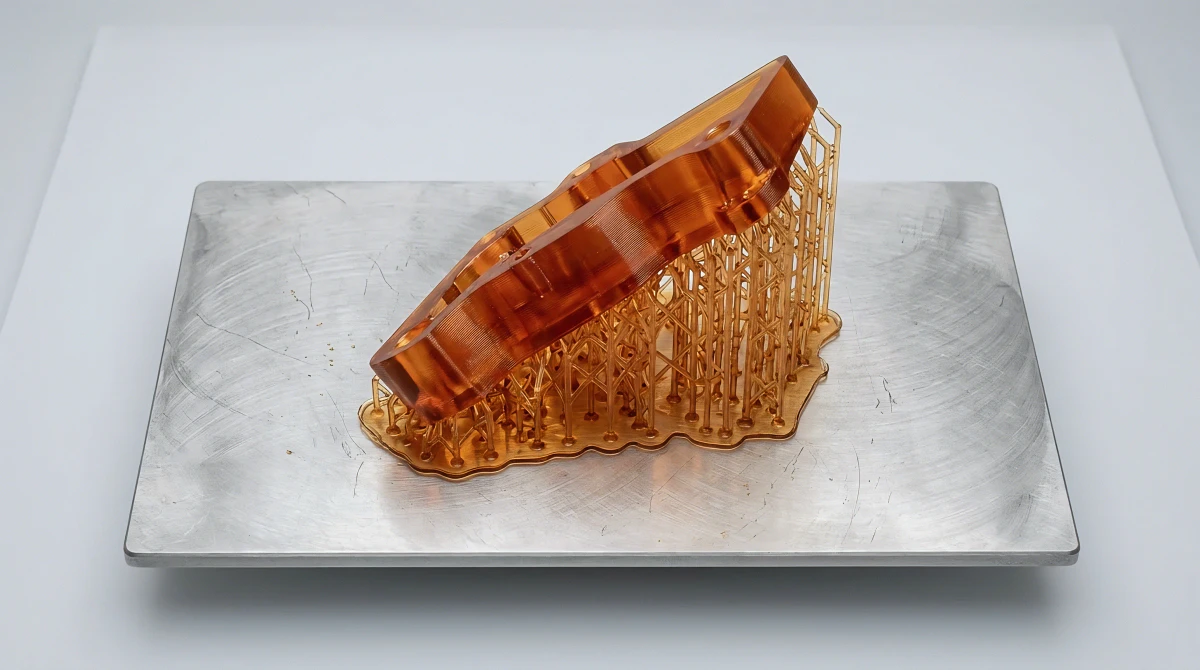
SLA orientation is set for the critical and cosmetic faces first, then checked for overhangs, cross section, trapped resin and support marks before anything is printed.

The Orientation Step in OrderThe order below follows Carbon's published assessment criteria for orientation and supports, with Stratasys's design guide filling in thresholds.

ISO/ASTM 52927 Main Characteristics and Test Methods for AM Parts

The test methods standard links the characteristics of additive feedstock and parts to test procedures, and a buyer fixes the method, specimen, orientation and statistical basis in the order.

What ISO/ASTM 52927 Covers and Who It Is ForThe scope states that the document specifies the principal requirements applied to the testing of parts produced by additive manufacturing processes. It does three things.

ISO/ASTM 52901 Requirements for Purchased Additive Manufactured Parts

The purchased parts standard lists what an additive parts order carries, from tolerances and feedstock to three acceptance stages, and leaves every value to the buyer.

What ISO/ASTM 52901 Asks a Buyer and a Supplier to ExchangeThe scope has three sentences and each one shapes how the standard is used. The first says the document defines and specifies requirements for purchased parts made by additive manufacturing.

PA12 Nylon Properties for SLS and MJF Parts

Powder-bed nylon parts stretch far less along the build axis than in the layer plane, so a drawing needs a build direction, a grade and the test method.

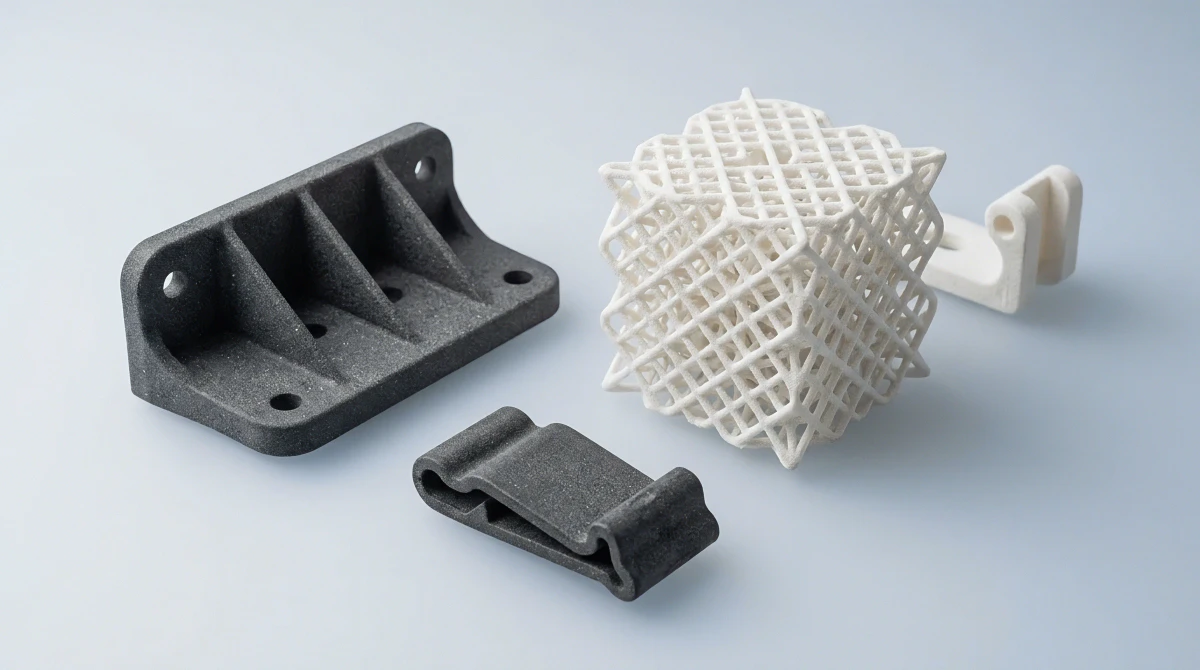
What PA12 Powder Gives a Printed PartPolyamide 12 is the base polymer of the most common powders for laser sintering and for HP Multi Jet Fusion. EOS describes PA 2200, its PA12 powder, as a balanced property profile and "the most proven material on the market" for its machines.

Send the 3D File of Your Printed Part

Send the 2D drawing and the 3D file, with the quantity and the stage of the project. An engineer replies within 1 working day.

The quote form, the mutual NDA and the private folder for your files are on Protolis Atelier, with 3D Printing chosen.

Request a Quote