Meaning
Lead time, for a printed batch, is the whole span from the start of the build to parts ready to ship. It is a sum of stages that run on different clocks: the printer, the cooling cake, the furnace and the bench. Most published figures cover one stage only. A single quoted lead time hides which stage is long.Stages
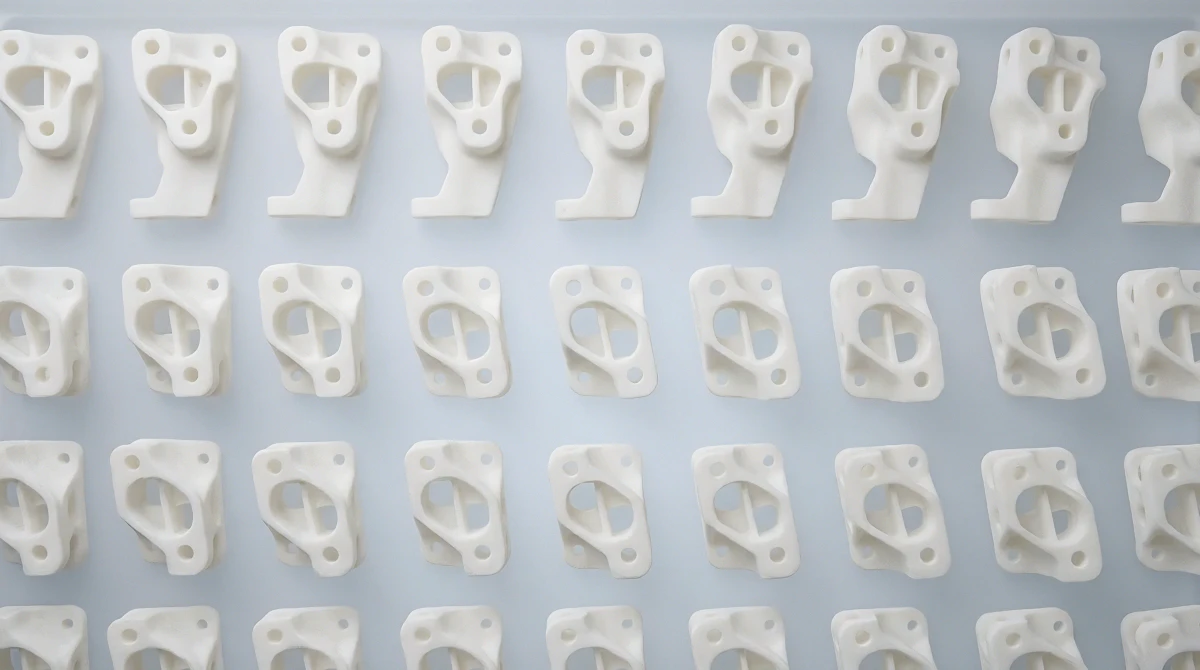
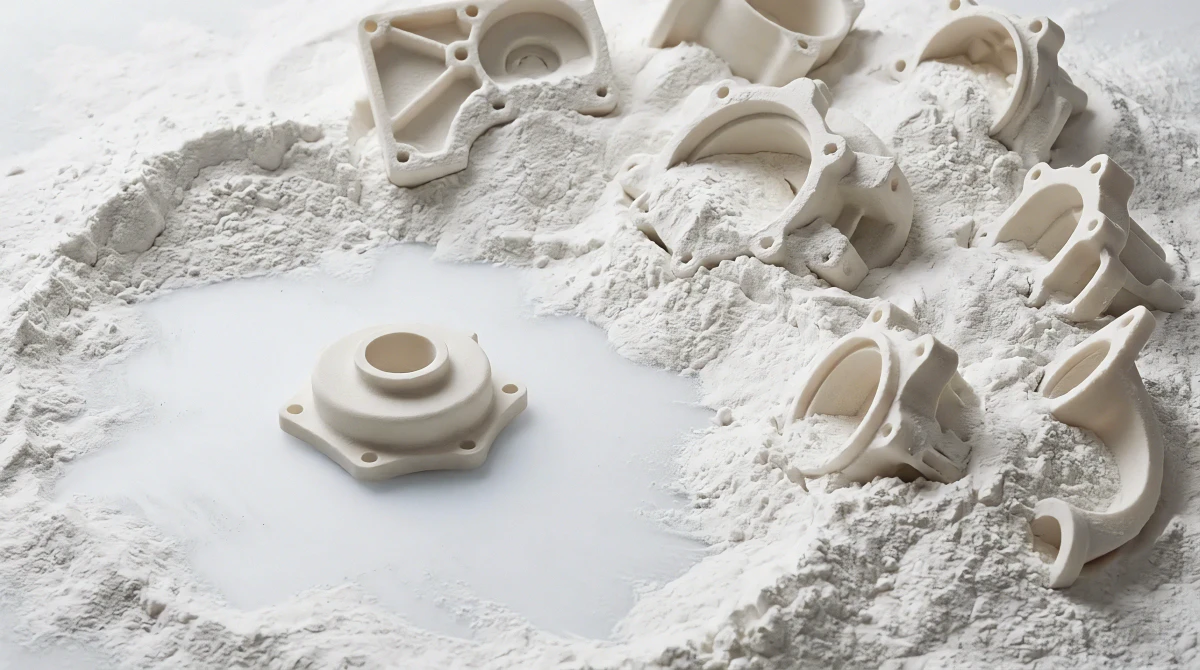
A Fuse X1 build of 3,231 nylon parts printed for 43 hours and cooled for 32. The build was 75 hours old before the first part was blasted. Only 20 to 25 minutes of the span had a person at the parts. A resin part dries at least 30 minutes after an isopropyl alcohol (IPA) wash. Tough 2000 Resin V2 then cures 12 minutes at 70 °C (158 °F). A 316L part holds at least 2 hours at 900 °C (1,652 °F), plus a furnace ramp the sheet does not state.Read More
Parallel Builds
A second chamber lets one build cool while the next prints. With Formlabs’s example figures, 2 builds in one chamber are ready at about 150 hours. With 2 chambers they are ready at about 118 hours, before loading and unloading. A short run spends more of its lead time in the cooldown than the print column suggests.Mold Comparison
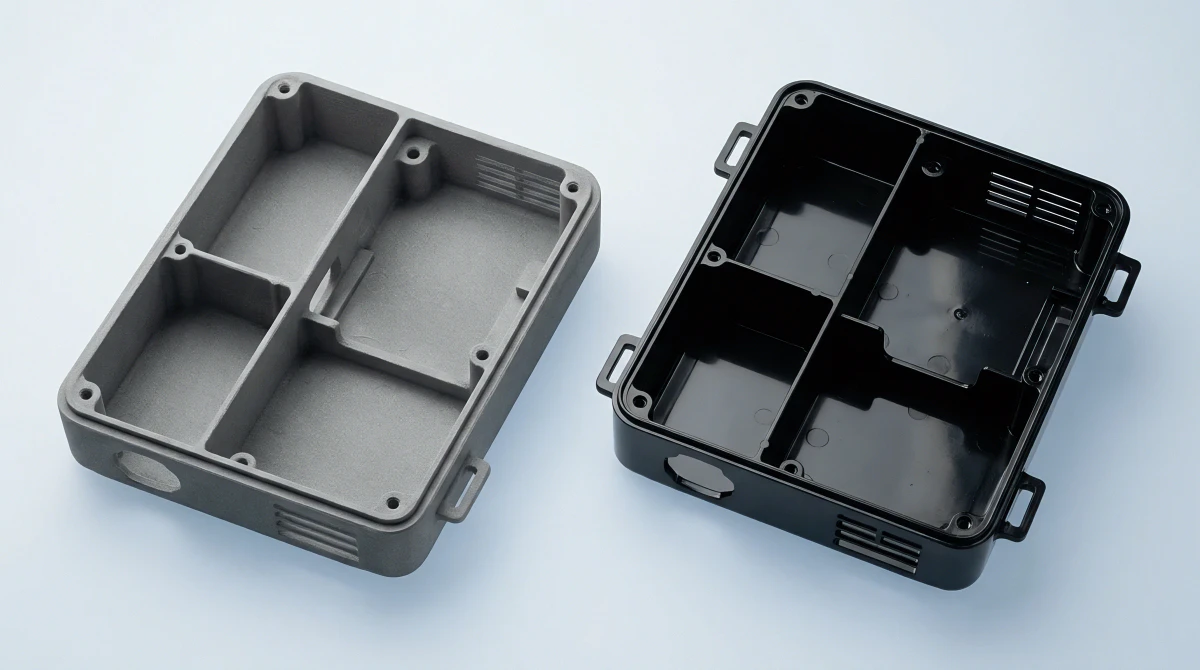
At the crossover of a 2026 benchmark, 10,263 identical 30 mm cubes take about 1,084 hours of continuous printing, about 45 days. An 8-cavity mold makes them in about 5.3 hours, after the weeks it takes to make the mold. The benchmark gives no mold lead time, so a buyer asks the molder and compares it with the printed schedule.Stage Questions
A buyer asks how many builds the quantity needs and whether they run in sequence or in parallel. It asks whether cooling happens outside the printer, whether resin parts ship cured and how long the metal furnace step takes. ISO/ASTM 52901 gives each answer a heading of the order, so the lead time can be checked stage by stage.