Meaning
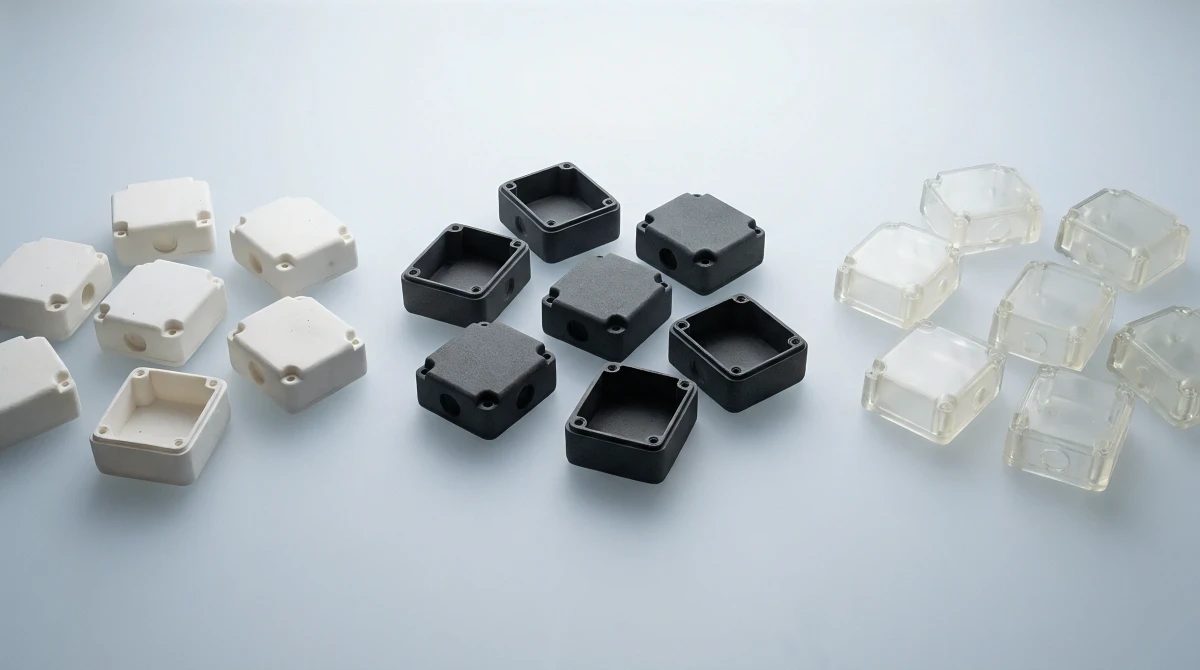
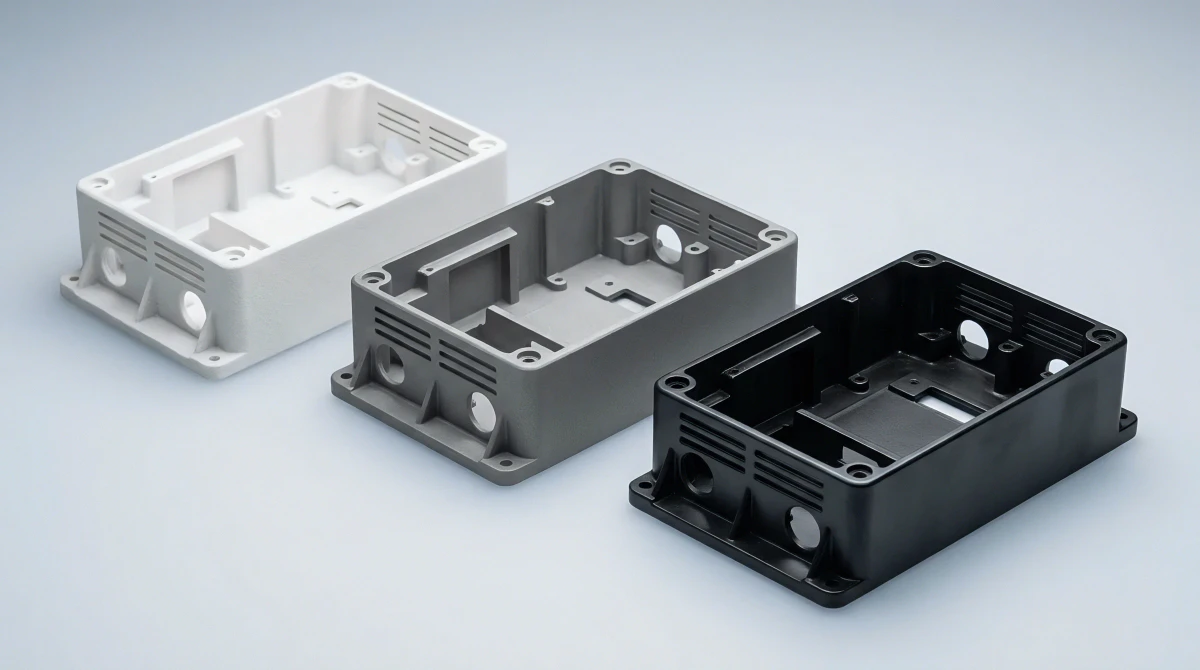
Vapor smoothing is a chemical finish for powder bed polymer parts in which solvent vapor dissolves and reflows the surface, leaving a sealed, smoother skin. It works on nylon from SLS and HP Multi Jet Fusion and on TPU. DyeMansion describes the mechanism in its VaporFuse process: a polar solvent vapor condenses on the part, breaks the bonds between polymer chains at the surface, the chains rearrange to lower the surface energy, and vacuum drying removes the solvent so the surface sets in its new form. A study of laser polishing describes vapor smoothing in general as reflowing the surface layer, able to reach even partly enclosed surfaces.Typical Result
In DyeMansion’s tests on parts cleaned with glass beads, EOS PA 2200 from an EOS P396 went from Ra 7.67 µm (302 µin) to 1.89 µm (74 µin), and HP 3D High Reusability PA 12 from an HP Jet Fusion 4200 went from 9.79 µm (385 µin) to 1.60 µm (63 µin). A sintered TPU went from 18.9 µm to 3.34 µm. Gloss at 85° rose from 0.6 to 24.5 gloss units. The literature cited in the laser polishing study gives minimum values of Ra 0.78 µm or Sa 1.4 µm for chemically vapor-smoothed surfaces.Read More
Cycle Time
The VaporFuse step in that test ran 45 to 57 minutes depending on material, against 10 minutes for shot surfacing and 5 minutes for cleaning, which makes it the longest finishing step in the sequence.Failure Mode
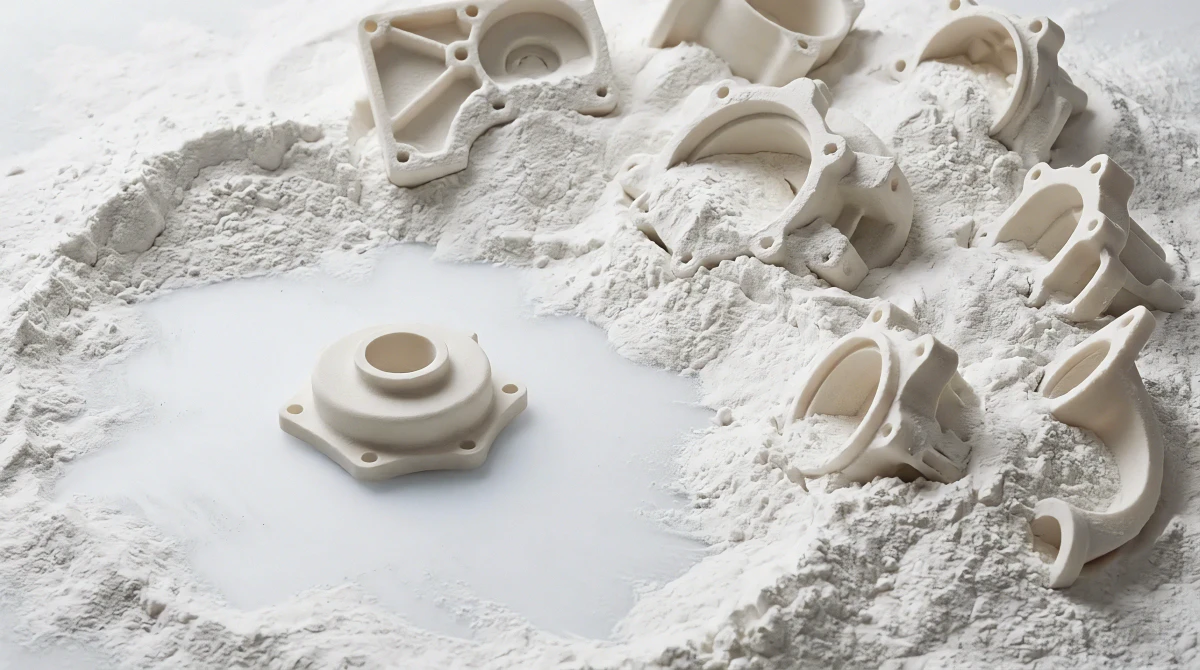
The whole surface is dissolved, so marks stay where the part touched its holder; DyeMansion suggests designing a hook or hanging point into the CAD file. Moving parts may lose function, because the gaps between them are surfaces too. Powder left on the part after cleaning is dissolved into the skin, so depowdering comes first and has to reach blind holes and channels.Compatibility
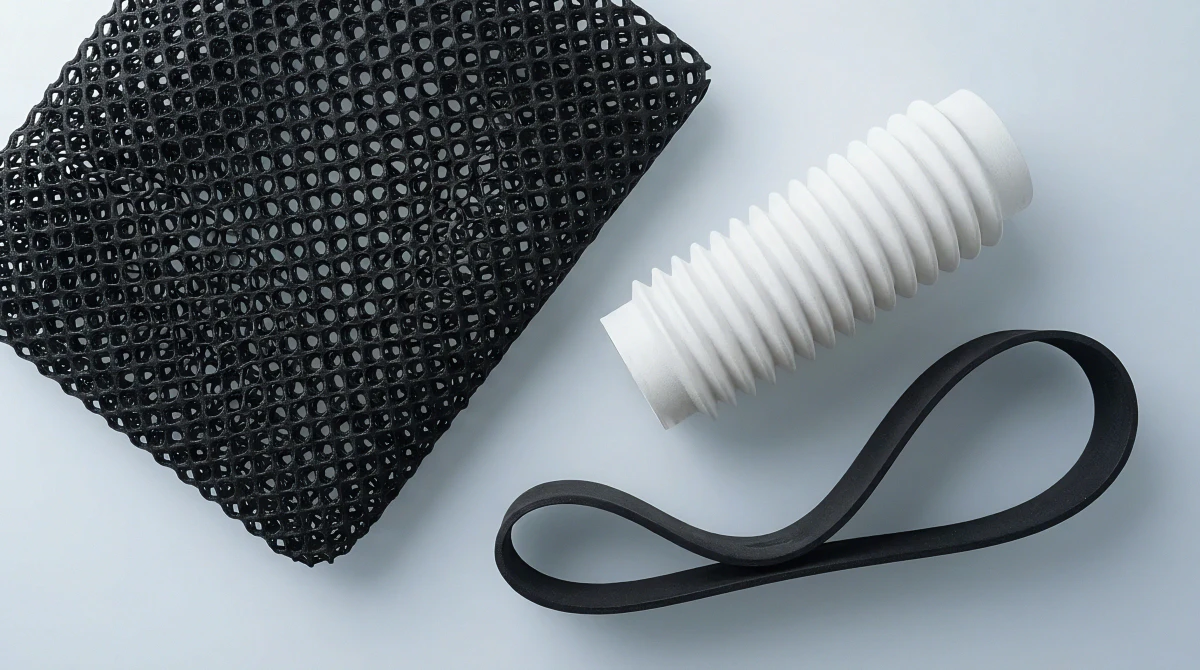
BASF Forward AM lists chemical smoothing as compatible with every powder in its PP, PA11 and TPU lines. For a drawing, the finish is stated as a step with its roughness requirement, the faces it applies to and where contact marks are acceptable.