Heat Treatment

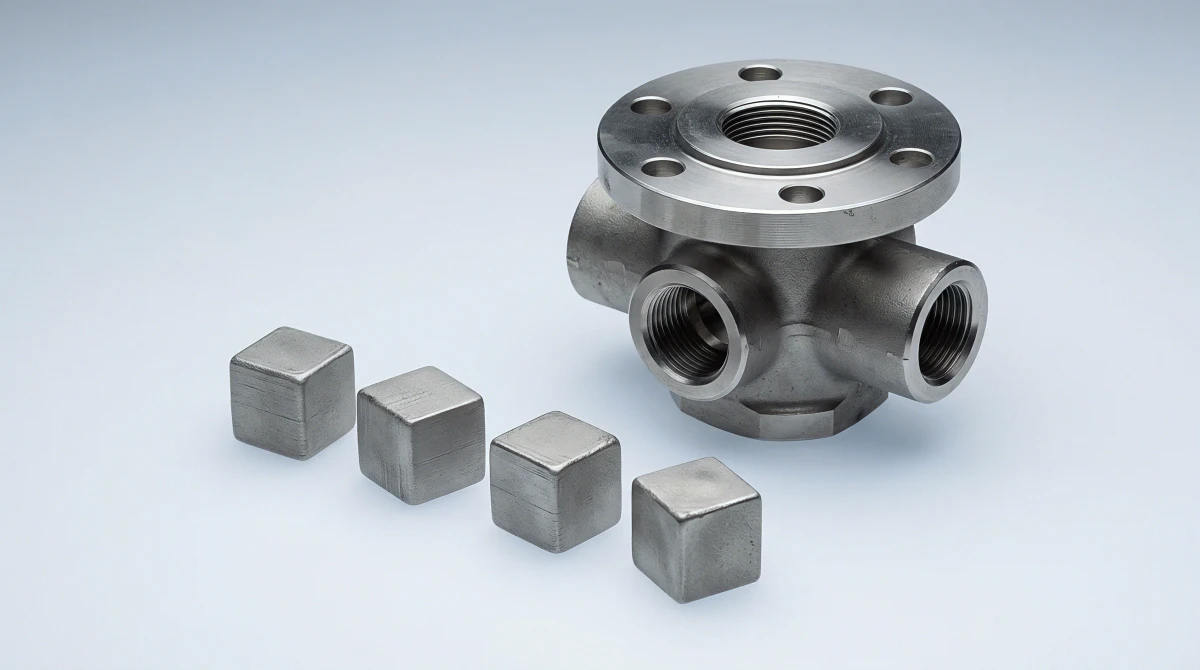
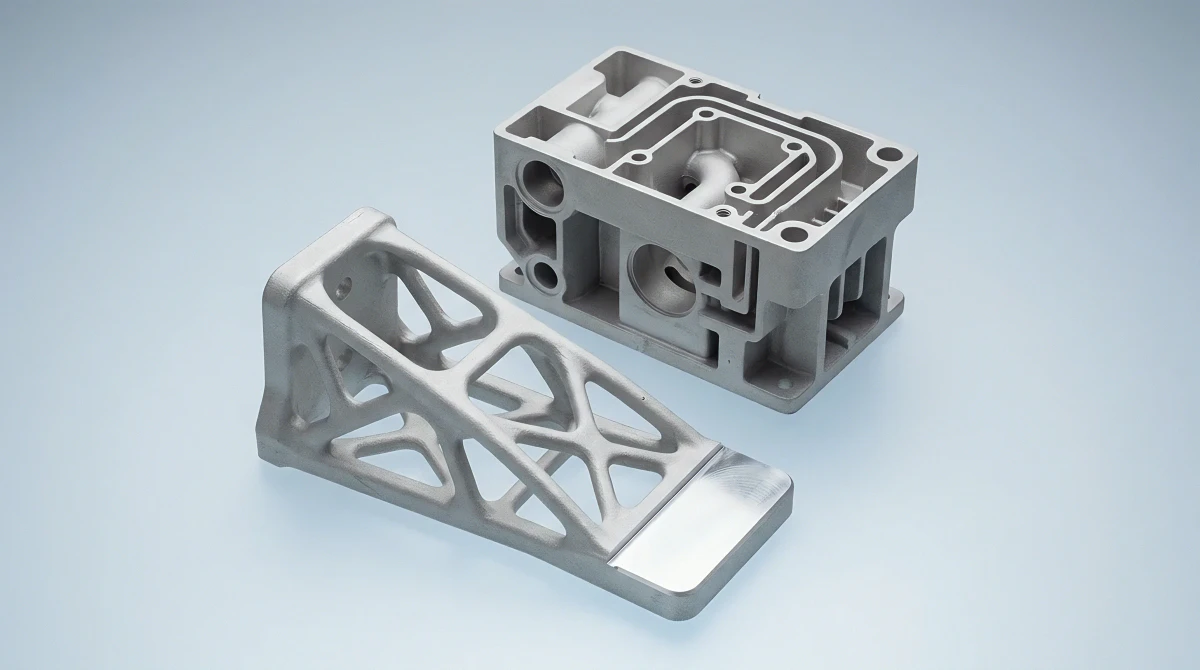
Heat treatment is a controlled hold of a printed metal part at temperature, followed by a set cooling, to relieve stress or change its microstructure.

Every Heat Treatment article of the 3D Printing Resources, newest first, each written from published standards, research and makers’ data.

Meaning

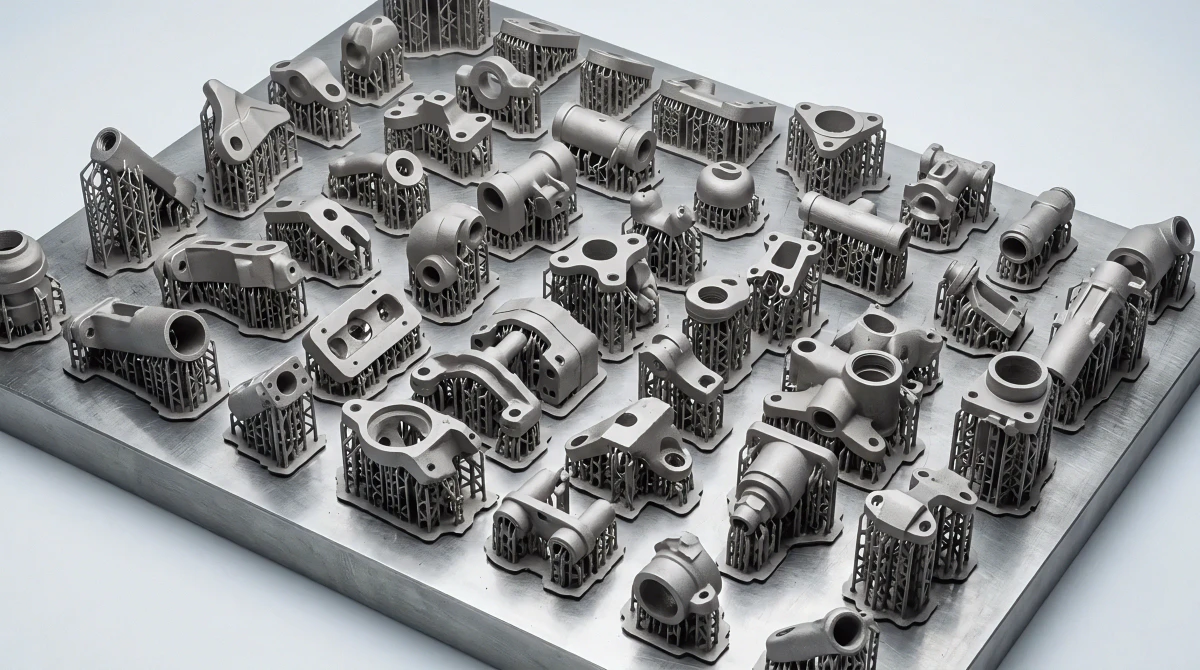
Heat treatment is a controlled hold of a printed metal part at temperature, followed by a set cooling, to relieve stress or change its microstructure. EOS gives two for 316L, a stress relief at 900 °C (1,652 °F) and a 1,150 °C (2,102 °F) anneal. On a laser powder bed fusion part, the first is usually done before the part leaves its build plate. Each treatment changes size by an amount the datasheet states per parameter set.

Two Purposes

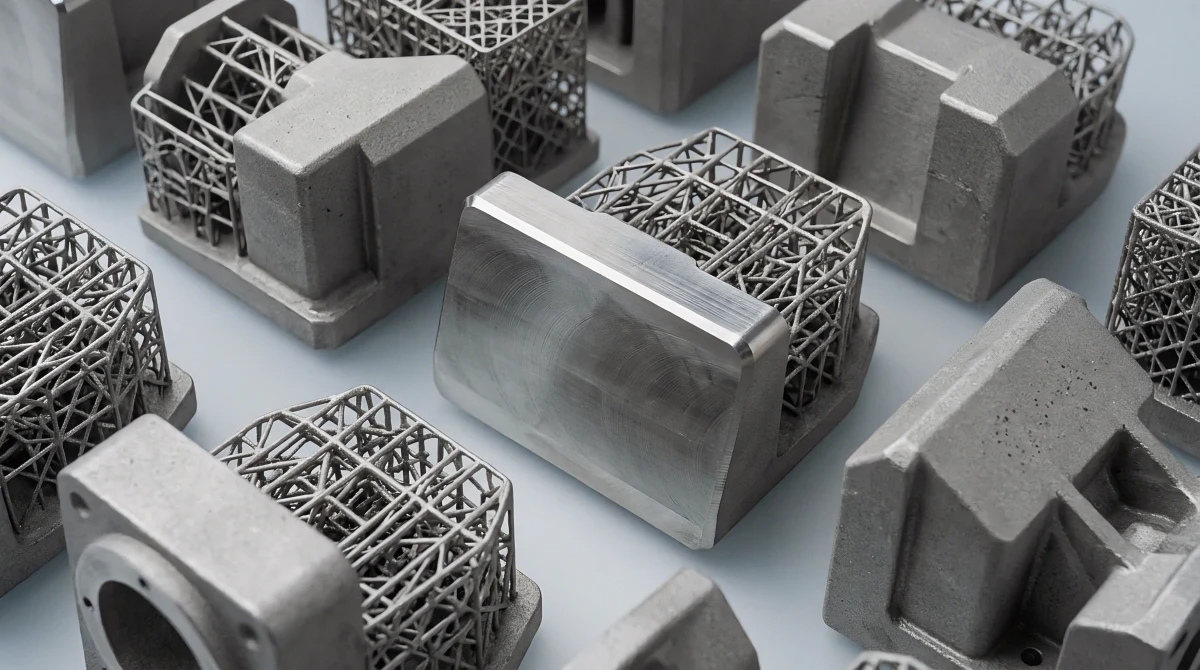
Stress relief and annealing do different jobs. The first lowers the residual stress so that cutting the part free does not move it. The second changes the microstructure to reach the properties the application needs. A supplier who offers only one has chosen which job to do, and the buyer should know which. In the usual sequence, stress relief comes first on the plate and any anneal follows support removal. MakerVerse treats heat treatment as optional but recommended, since printing induces internal stress that can cause deviations or part failure. It calls the treatment necessary where a drawing asks for high strength and low elongation, such as a tool steel part.
Read More

EOS 316L Schedule

EOS asks for at least 2 hours at 900 °C once the part is thoroughly heated, then a quench in water or high-speed gas. The 1,150 °C treatment that EOS calls “solution annealing” holds at least 1.5 hours with the same quench. EOS requires a cooling rate high enough that chromium carbides do not precipitate. The older EOS sheet warns that parts are not ideal in the 427 to 816 °C (801 to 1,501 °F) range, where those carbides form. It also states that the anneal is not required to meet the as-built properties against ASTM A403.

Time and Temperature

A 2021 study by De Baere and co-authors collects earlier measurements of stress relief. A treatment slightly below 600 °C (1,112 °F) cut deformation from residual stress by 80 % in one study. Neutron diffraction at 600 and 700 °C (1,112 and 1,292 °F) showed most of the stress gone in the first 10 minutes. About 90 % was gone at 600 °C after 100 minutes, and a few percent remained after 2 hours. In the authors’ titanium model, long holds above 750 °C (1,382 °F) began to increase tip deflection again.

Size Change

Heat treatment moves a dimension, so the drawing says whether a size applies before or after it. The EOS 316L material data sheet gives +0.02 % on the 20 µm set and +0.2 % on the 40 µm set. On a 100 mm (3.94 in) dimension that is 0.02 mm (0.0008 in) or 0.2 mm (0.008 in). The second figure exceeds a small-part tolerance of ±0.05 mm (±0.002 in). The sheet states the change per parameter set, not per geometry, so a part with a close tolerance is measured after the treatment.

Thermal Growth

A part that runs hot, or is heat-treated after machining, also grows with temperature. EOS gives the mean expansion of 316L under ASTM E228 as 15.72 × 10⁻⁶ per K from 25 to 100 °C (77 to 212 °F). The figure rises to 17.70 × 10⁻⁶ per K from 25 to 400 °C (77 to 752 °F). A 100 mm (3.94 in) dimension heated from 25 to 200 °C (77 to 392 °F) grows by about 0.29 mm (0.012 in). EOS states that parts can be machined, shot-peened and polished as built or after stress relief.

Treatment Record

An order names heat treatment before plate removal, with the method and not the temperature alone. It states the condition the part ships in, as built, stress relieved or annealed. The furnace hours belong in the lead time, since the sheet states only the hold and not the time to reach and leave temperature. The treatment record is process control information under ISO/ASTM 52901. An outside furnace can be named under that standard’s clause on authorized outside service providers.
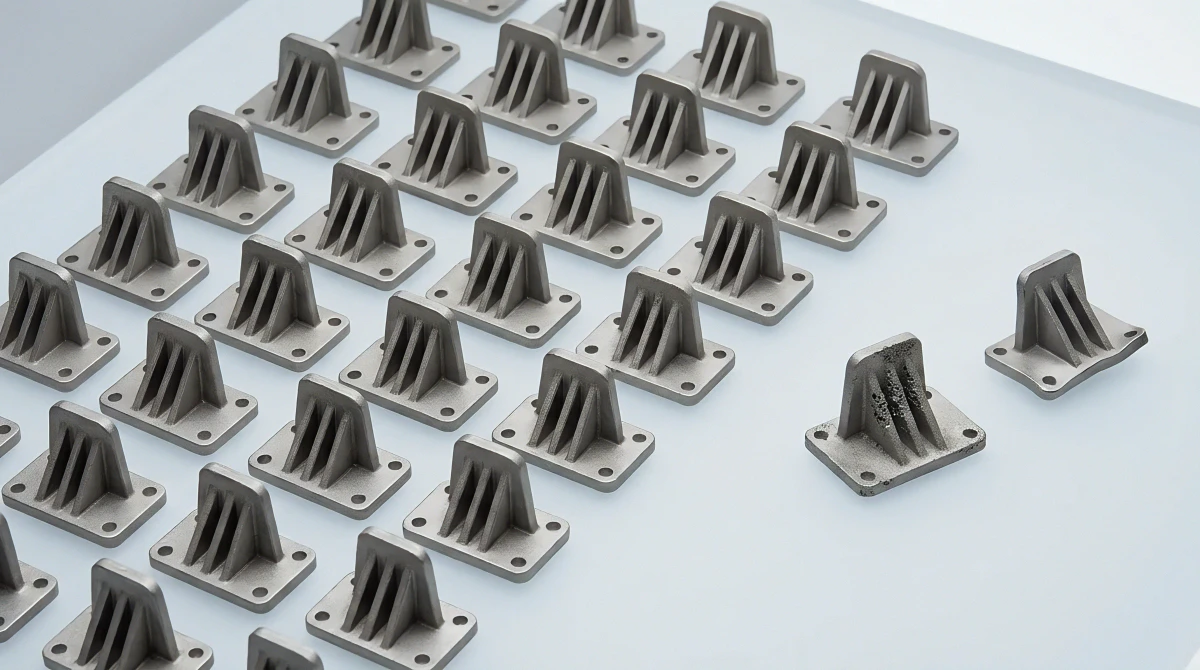
3D Printing Defects in a Production Batch Traced to Their Cause

A defect in a printed batch is traced by its pattern, every part, one zone, one build or a slow trend across builds, and each pattern points to its own cause and evidence.

Reading a Defect by Its Pattern Across the BatchThe 2022 review sorts the sources of metal powder bed defects into three groups: defects transferred from the feedstock powder, defects formed in the interaction of the beam with powder and metal during melting, and defects created in post-processing such as heat treatment. It adds a fourth set of contributors around them: the equipment, powder handling and dispensing, and build preparation, meaning orientation and supports.

ASTM F3184 Specification for Powder Bed Fusion 316L Stainless Steel

ASTM F3184 fixes the chemistry, the thermal condition and the headings of a 316L order, and leaves the real property, density and inspection requirements for the buyer to write.

What ASTM F3184 Covers and Who It BindsASTM F3184, Standard Specification for Additive Manufacturing Stainless Steel Alloy (UNS S31603) with Powder Bed Fusion, is held by ASTM Committee F42 on additive manufacturing and printed in volume 10.04 of the Annual Book of ASTM Standards. The current edition is F3184-16, reapproved in 2023.

AlSi10Mg Aluminum Properties in Laser Powder Bed Fusion

Printed AlSi10Mg is stronger than the cast alloy as built, and the heat treatment named on the order decides how much strength is traded for ductility or conductivity.

AlSi10Mg Tensile and Yield Strength by Heat TreatmentThe first answer a buyer needs is the strength in each state the material is delivered in. Two makers publish it for their own systems and parameters, and their numbers are close enough to read together and different enough to show why the state and the source both travel with a figure.

Inspecting a 3D Printed Production Run and When a Mold Takes Over

Accept the first printed part against written limits, keep the record, and weigh a mold by identical quantity and design stability.

How a Printed Production Run Is Inspected and AcceptedISO/ASTM 52901:2017, titled requirements for purchased AM parts, gives the frame. Its scope says it covers the elements to be exchanged between customer and part provider at the time of the order: customer order information, part definition data, feedstock requirements, final part characteristics and properties, inspection requirements and part acceptance methods.

How Long a Batch of 3D Printed Parts Takes From Print to Pack-Out

A printed batch runs on four clocks, build, cooldown, finishing and inspection, and a stated lead time should show each.

Lead Time for a 3D Printed Batch Stage by StageThe calendar of a batch has the same skeleton in every process. Files are prepared and nested, the machine builds, the work cools or cures, parts are separated from what held them, and finishing and inspection follow.

Metal 3D Printing Stress Relief and Build Plate Removal Step by Step

Stress relieve metal parts on the plate, then cut, remove supports, anneal if needed and measure after the heat.

Metal Powder Bed Fusion Post-Build Steps in OrderThe post-build sequence for a part built on a plate has a stable shape across machine makers, because the stresses behave the same way. The sources agree on the order; they differ in how much of the detail they publish.

316L Thin Wall and Gap Dimensional Error in Laser Powder Bed Fusion

Printed metal walls and gaps land off the drawing by an amount the laser settings control, so a requirement names the parameter set, the gap needed and the finished size.

Thin Wall and Gap Error in 316L Laser Powder Bed FusionThe machine maker states accuracy as a band. EOS's sheet for 316L, dated May 2014, gives a typical achievable part accuracy of about ±20 to 50 µm (±0.0008 to 0.002 in) for small parts and about 0.2 % for large parts, and a minimum wall thickness of about 0.3 to 0.4 mm (0.012 to 0.016 in).

ISO/ASTM 52901 Requirements for Purchased Additive Manufactured Parts

The purchased parts standard lists what an additive parts order carries, from tolerances and feedstock to three acceptance stages, and leaves every value to the buyer.

What ISO/ASTM 52901 Asks a Buyer and a Supplier to ExchangeThe scope has three sentences and each one shapes how the standard is used. The first says the document defines and specifies requirements for purchased parts made by additive manufacturing.

316L Stainless Steel Properties in Laser Powder Bed Fusion

Printed stainless steel is stronger along the layers and more ductile across them, and its size and finish depend on the parameter set and the heat treatment you name.

What 316L Is in a Laser Powder Bed Machine316L is a molybdenum-alloyed austenitic stainless steel. EOS markets its powder as a marine-grade steel with enhanced corrosion resistance in chloride environments, and it lists high ductility, high strength and high corrosion resistance as the main characteristics.

Send the 3D File of Your Printed Part

Send the 2D drawing and the 3D file, with the quantity and the stage of the project. An engineer replies within 1 working day.

The quote form, the mutual NDA and the private folder for your files are on Protolis Atelier, with 3D Printing chosen.

Request a Quote