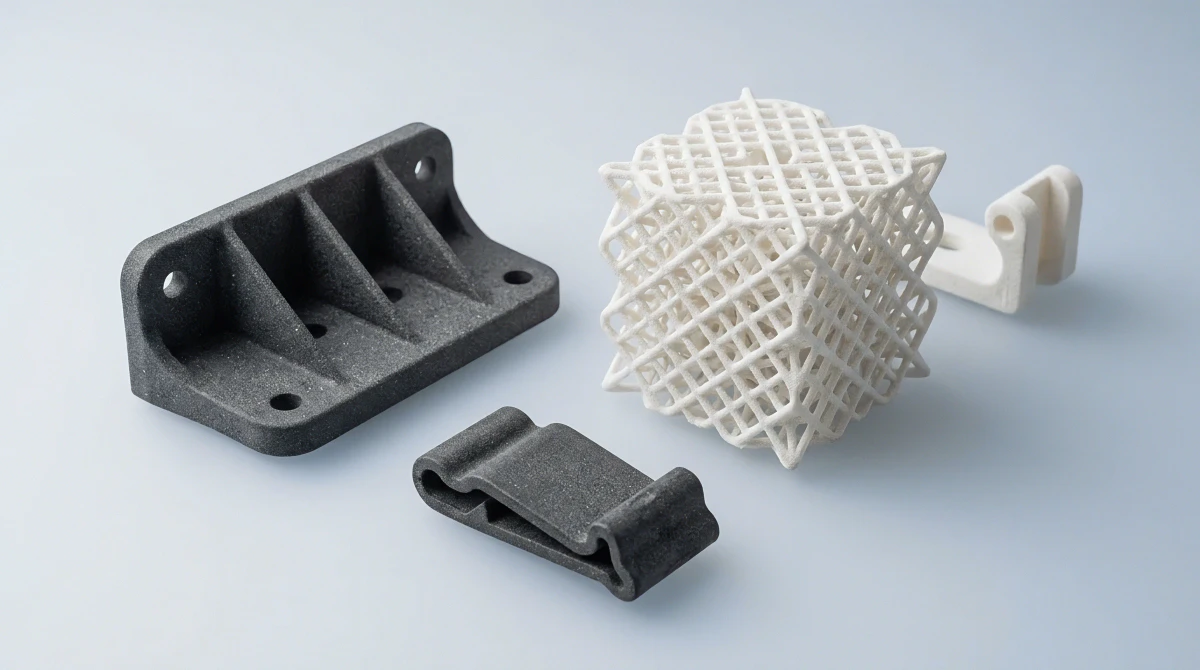
PA12

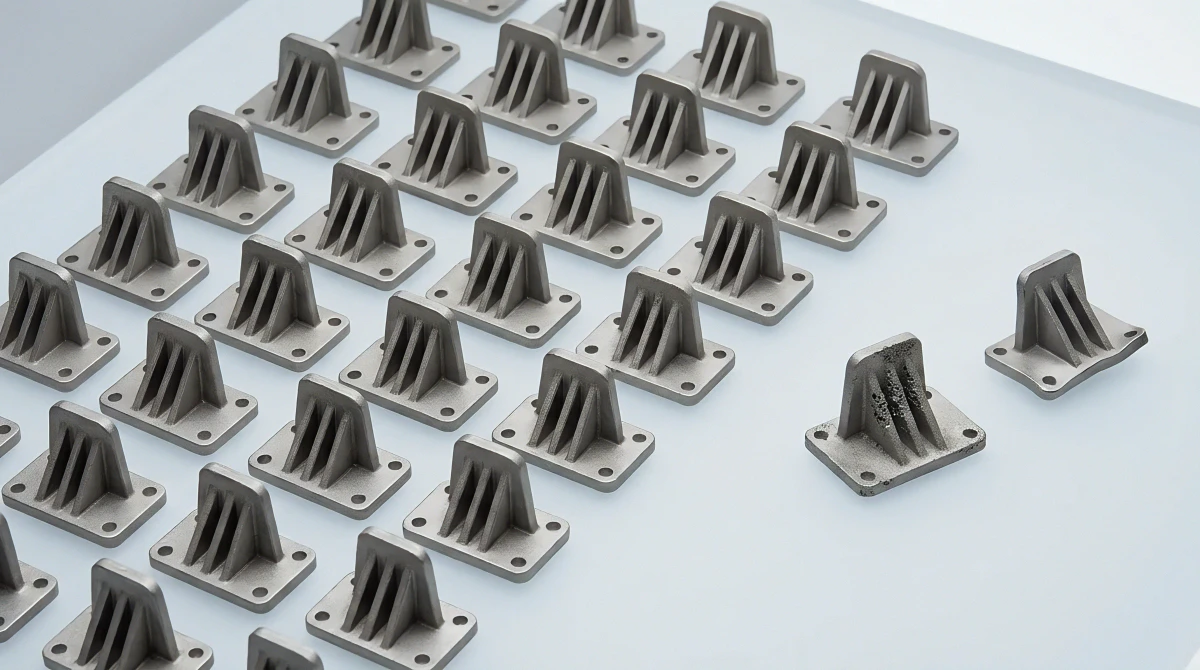
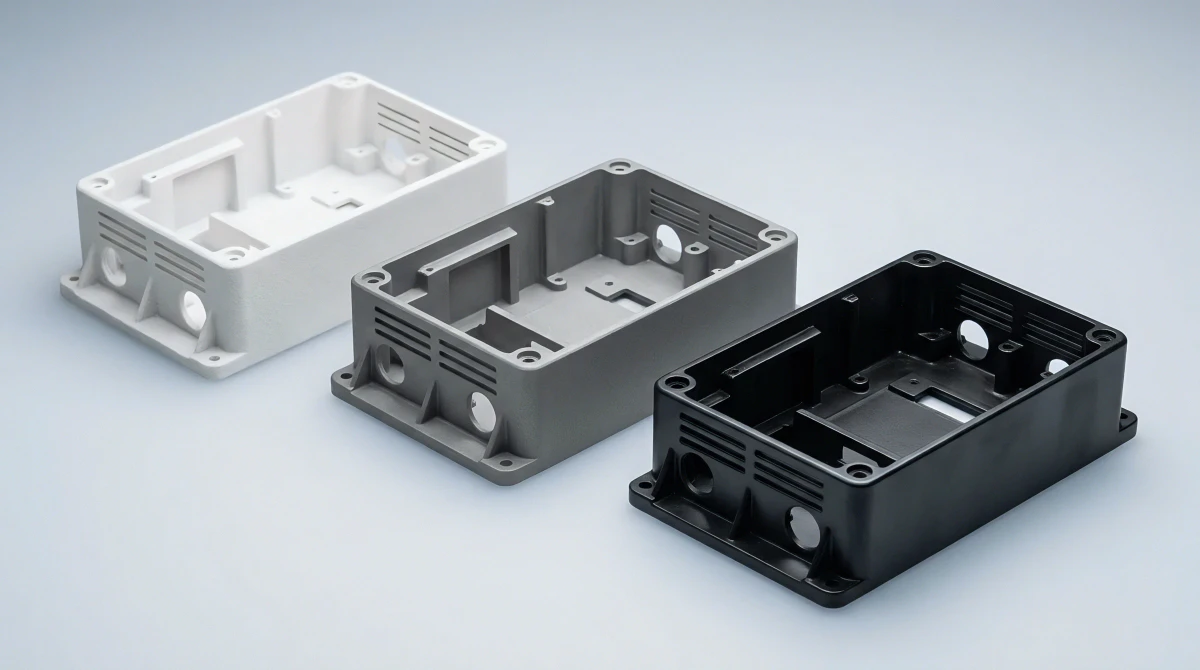
PA12, polyamide 12 or nylon 12, is the most common thermoplastic powder of laser sintering and HP Multi Jet Fusion, printed as a semi-crystalline polymer part without supports.

Every PA12 article of the 3D Printing Resources, newest first, each written from published standards, research and makers’ data.

Meaning

PA12, polyamide 12 or nylon 12, is the most common thermoplastic powder of laser sintering and HP Multi Jet Fusion, printed as a semi-crystalline polymer part without supports. Grades include EOS PA 2200, HP 3D High Reusability PA 12 and its glass bead filled version, and the PA2200 used in many published studies on EOS Formiga machines.

Properties

EOS gives PA 2200 at its Balance setting, 120 µm (0.0047 in) layers, a tensile strength of 48 MPa (6,960 psi) in X and 42 MPa (6,090 psi) in Z, elongation at break of 18 % in X and 4 % in Z, a tensile modulus of 1,650 MPa (239 ksi), a melting temperature of 176 °C (349 °F) and a deflection temperature of 157 °C (315 °F) at 0.45 MPa in X. A University College Dublin study on an HP Jet Fusion 4200 found glass beads raised tensile modulus by 85 % and lowered tensile strength by 39 % against plain PA12, with porosity under 1 % for both.
Read More

Surface

As printed, PA12 surfaces sit around 12 to 15 µm Ra on most faces in a review of published studies. DyeMansion measured Ra 7.67 µm on cleaned PA 2200 and 9.79 µm on cleaned HP PA 12, falling to 1.89 and 1.60 µm after vapor smoothing.

Size

A study of 50 PA12 parts on a 3D Systems ProX SLS 6100 found inner diameters about 0.1 mm (0.004 in) undersized and outer diameters close to nominal, and positional deviations growing by up to 0.1 mm toward the edges of the platform.

Powder Aging

Unfused PA12 is reused, and it ages. A University of Birmingham study refreshing at 30 % over seven builds measured melting temperature up 4.5 °C, flowability down 20 %, part porosity up 5.8 % and tensile strength down 11 %. HP recommends 20 % new powder for its PA 12, the ratio the Dublin study used.
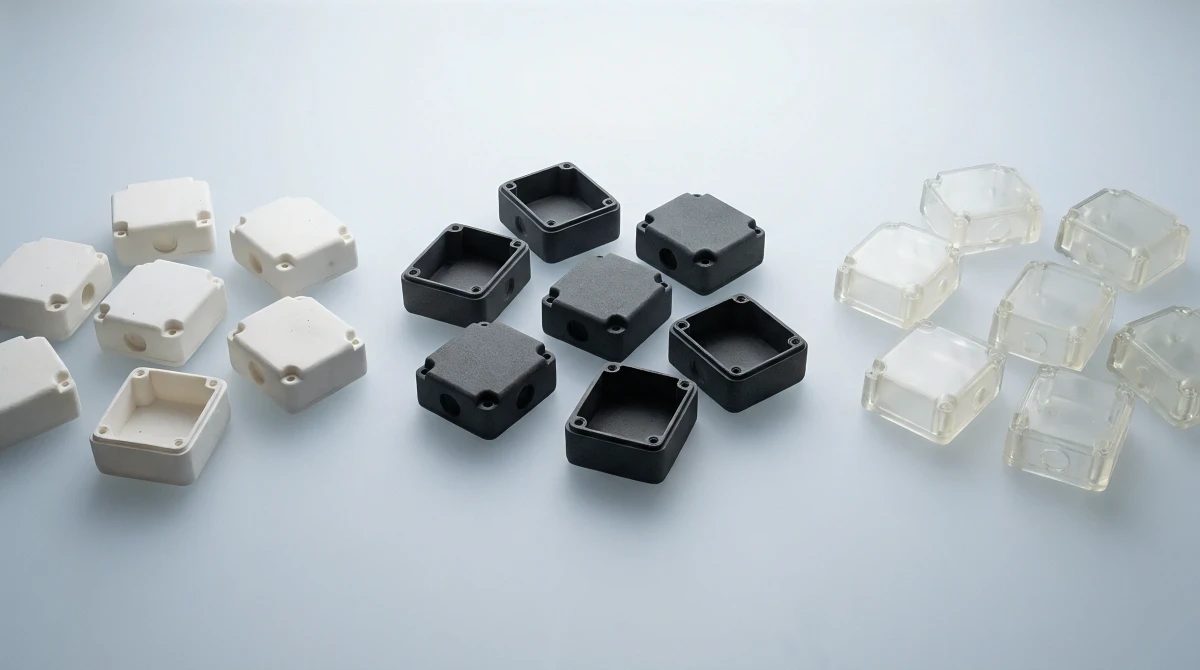
3D Printing Defects in a Production Batch Traced to Their Cause

A defect in a printed batch is traced by its pattern, every part, one zone, one build or a slow trend across builds, and each pattern points to its own cause and evidence.

Reading a Defect by Its Pattern Across the BatchThe 2022 review sorts the sources of metal powder bed defects into three groups: defects transferred from the feedstock powder, defects formed in the interaction of the beam with powder and metal during melting, and defects created in post-processing such as heat treatment. It adds a fourth set of contributors around them: the equipment, powder handling and dispensing, and build preparation, meaning orientation and supports.

Vapor Smoothing and Bead Blasting SLS Nylon Parts

Powder bed nylon is always bead blasted clean, then optionally shot surfaced for feel and color or vapor smoothed for a sealed glossy skin, and the order names the steps and the faces.

The Finishing Sequence for Powder Bed NylonThe DyeMansion test that opens this piece ran every part through the same steps, and its table of settings is the clearest published version of the sequence.

Surface Roughness of 3D Printed Parts by Process and Orientation

Process sets the floor of roughness and orientation moves it face by face, so a printed part's roughness note names the parameter, the face, its build direction and the finish.

Typical Ra and Sa of SLA, SLS, MJF and Metal SurfacesA review of as-printed polymer roughness in the International Journal of Advanced Manufacturing Technology collects dozens of studies by process. Another study printed one test artifact on four processes and measured them all the same way.

Clearance for Snug and Sliding Fits Between 3D Printed Parts

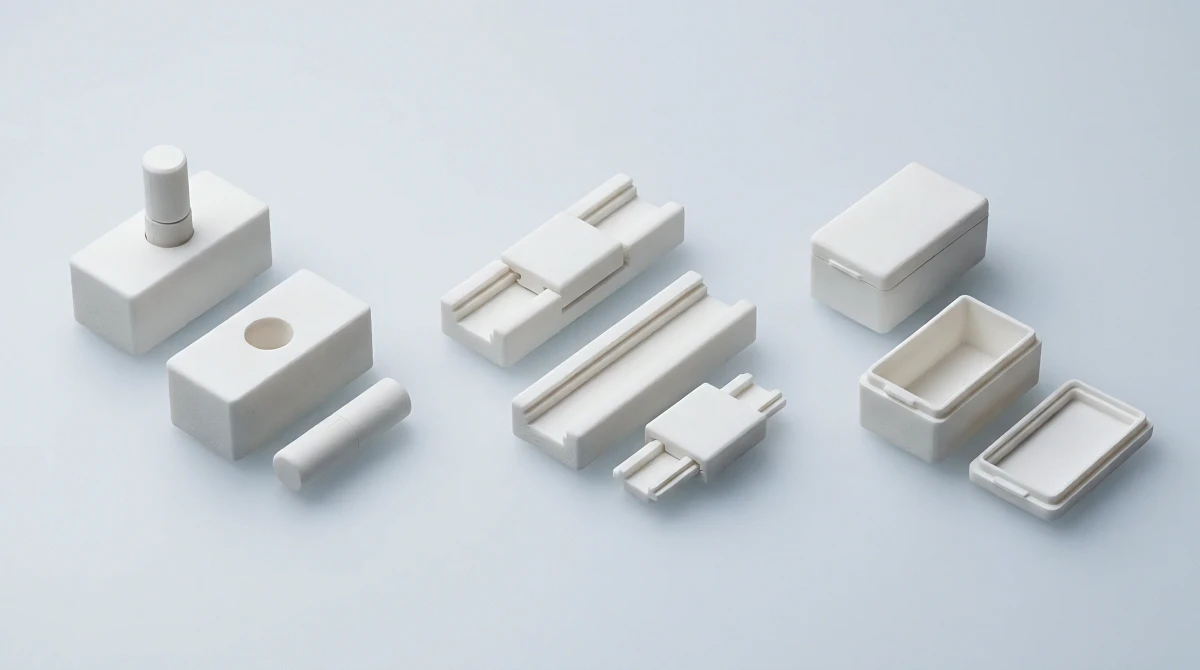
Printed fits start from a published gap that depends on whether parts are built apart or together, lose clearance to undersized bores, and are settled by a fit coupon.

Starting Clearances for Snug and Sliding Fits in SLS and MJFA snug fit here means two printed parts that assemble with little play and stay together; a sliding fit means two parts that move against each other after assembly. The published values separate them by how the parts were made, more than by how tight the fit is meant to be.

PA12 Nylon Properties for SLS and MJF Parts

Powder-bed nylon parts stretch far less along the build axis than in the layer plane, so a drawing needs a build direction, a grade and the test method.

What PA12 Powder Gives a Printed PartPolyamide 12 is the base polymer of the most common powders for laser sintering and for HP Multi Jet Fusion. EOS describes PA 2200, its PA12 powder, as a balanced property profile and "the most proven material on the market" for its machines.

Send the 3D File of Your Printed Part

Send the 2D drawing and the 3D file, with the quantity and the stage of the project. An engineer replies within 1 working day.

The quote form, the mutual NDA and the private folder for your files are on Protolis Atelier, with 3D Printing chosen.

Request a Quote