Nylon

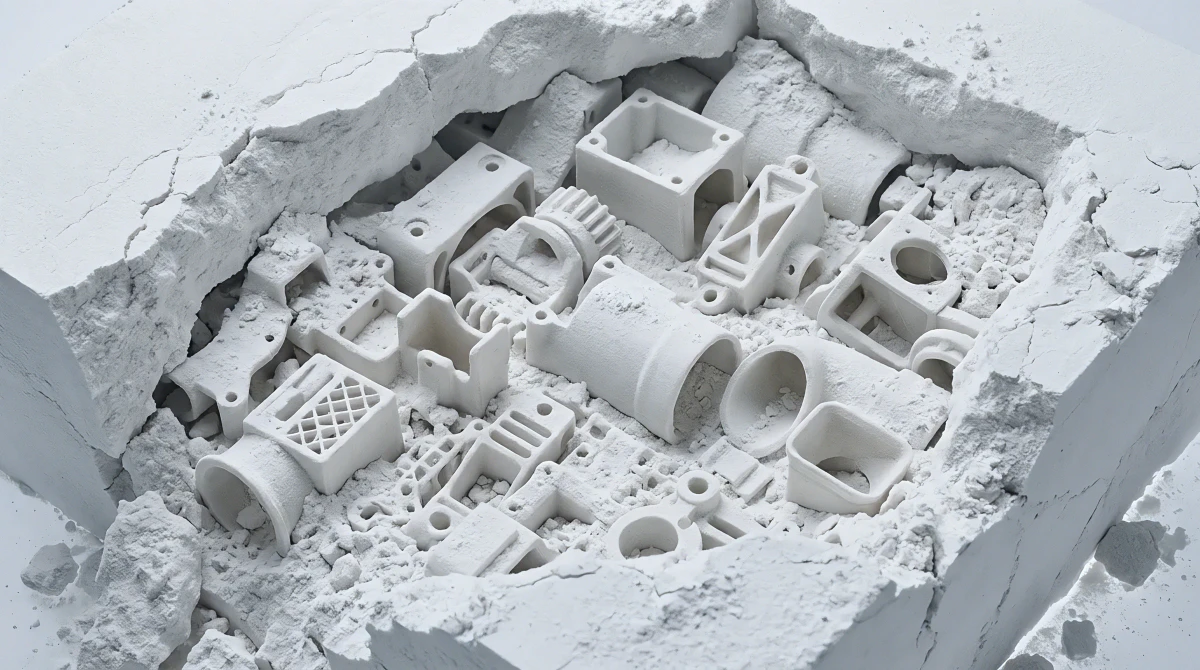
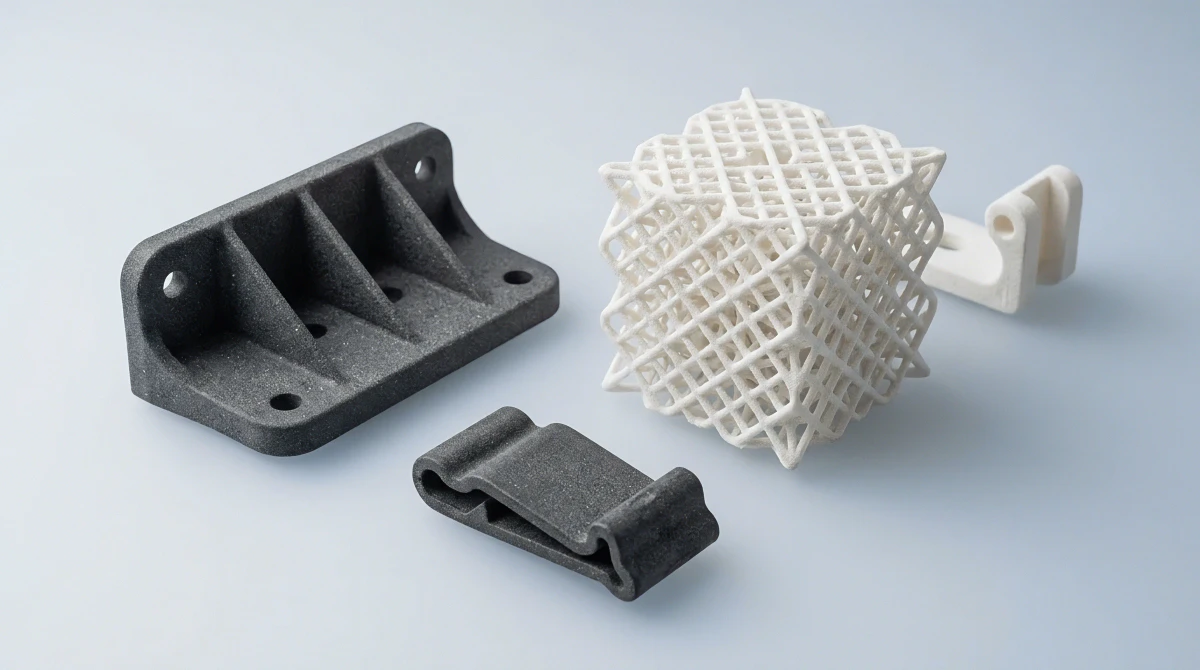
Nylon, in powder bed fusion, means polyamide 12 powder, the base polymer of the most common laser sintering and Multi Jet Fusion grades.

Every Nylon article of the 3D Printing Resources, newest first, each written from published standards, research and makers’ data.

Meaning

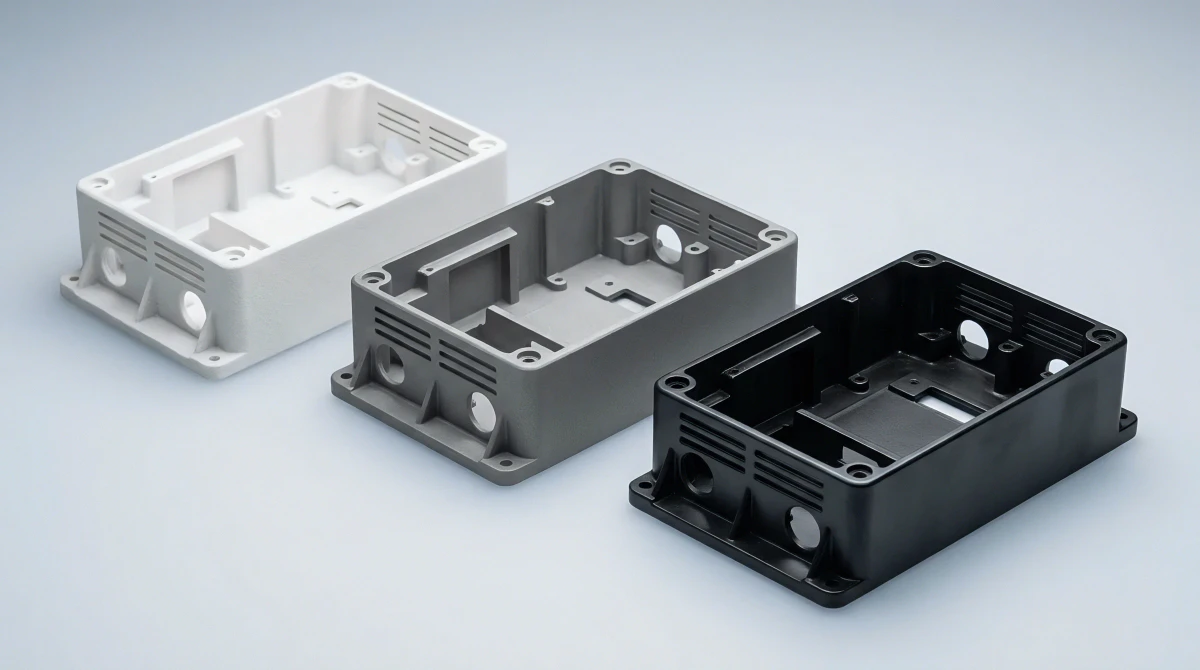
Nylon, in powder bed fusion, means polyamide 12 powder, the base polymer of the most common laser sintering and Multi Jet Fusion grades. Makers sell it under their own grade names, such as EOS PA 2200 and HP High Reusability PA 12. Each grade has its own melting point, refresh rule and test method. A drawing names the grade, since “nylon” alone does not fix a property set.

Grades

EOS PA 2200 melts at 176 °C (349 °F), and HP High Reusability PA 12 at 187 °C (369 °F). PA 2200 gives a tensile strength of 48 MPa (6,960 psi) in X and Y. HR PA 12 gives 48 MPa in XY and in Z. HP also sells a grade filled with 40 % glass beads that raises stiffness and lowers elongation. Formlabs sells its own Nylon 12 Powder for the Fuse series.
Read More

Direction

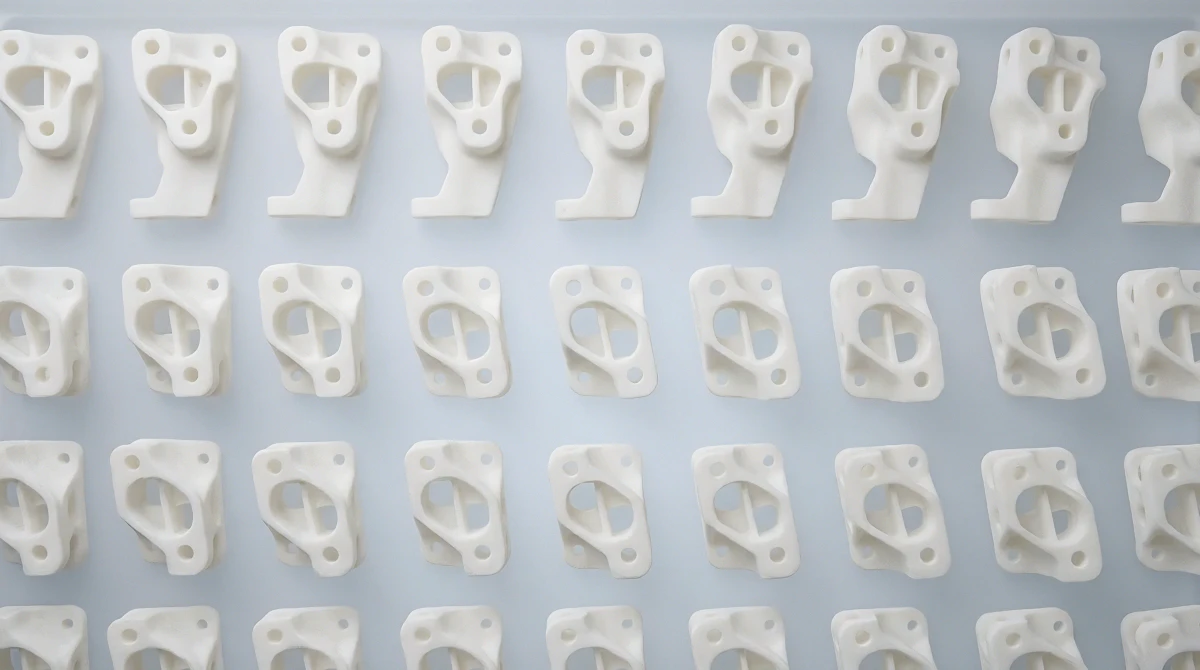
Nylon parts stretch far less along the build axis than in the layer plane. PA 2200 gives 18 % in X and Y and 4 % in Z, and HR PA 12 gives 20 % and 15 %. A snap fit or hinge therefore has its long axis in the XY plane, written on the drawing.

Size

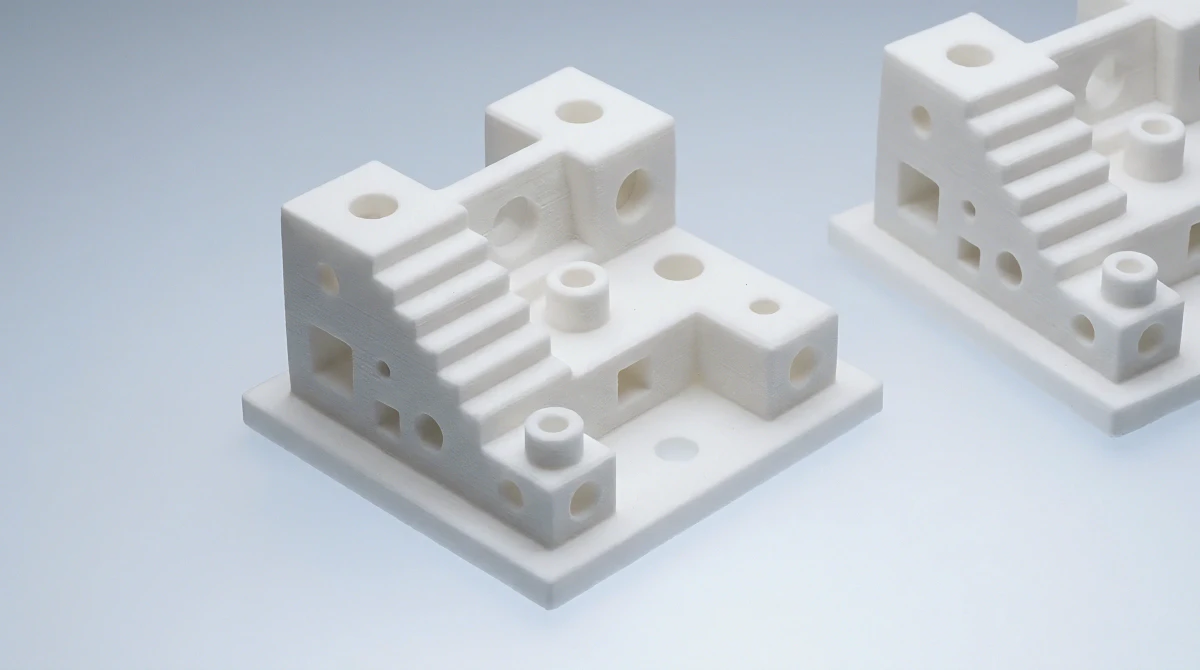
A Formlabs study measured nylon 12 blocks from 25 to 138 mm (0.98 to 5.43 in). In XY they held within ±0.2 mm (±0.008 in) of the average. Z scattered about 5 times as much at 100 mm (3.94 in). Formlabs gives ±0.5 % or 0.3 mm (0.012 in) in XY, whichever is larger.

Builds

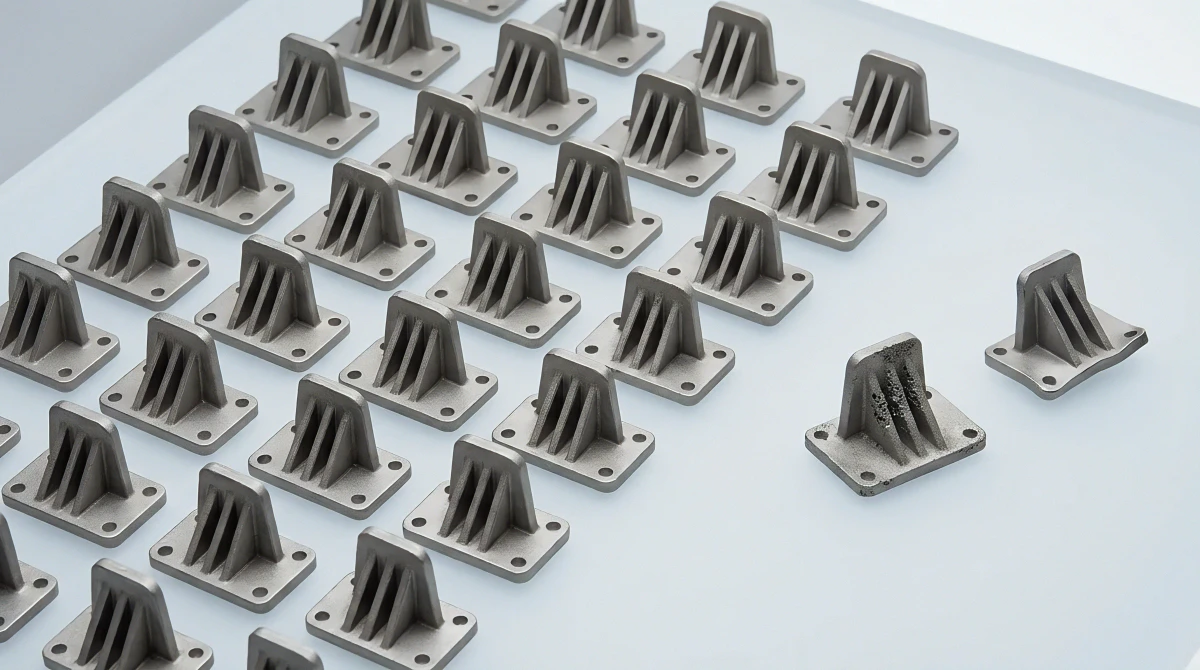
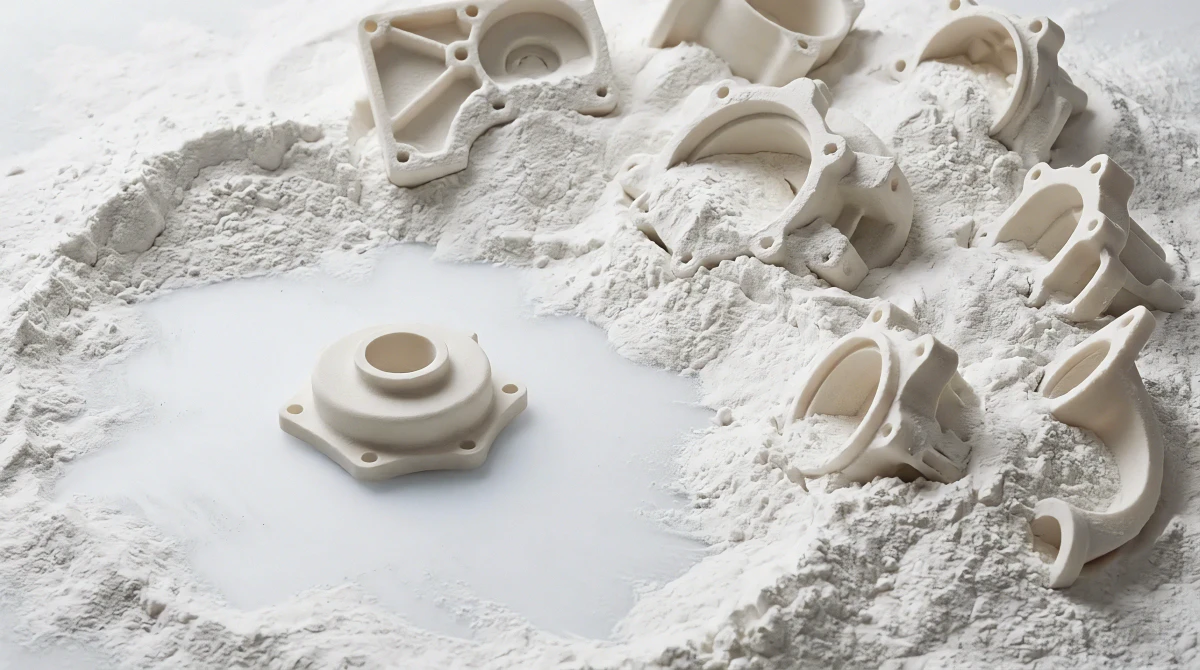
A nylon build ends as a hot cake of powder that cools before unpacking. A Fuse X1 build of 3,231 nylon parts took 43 hours to print and 32 hours to cool. Formlabs refreshes nylon 12 at 30 % on the Fuse X1, so up to 70 % of the powder in a build can be recycled. A batch of 3,000 small nylon parts that fits one build has one cooldown and one blasting routine.
3D Printing Defects in a Production Batch Traced to Their Cause

A defect in a printed batch is traced by its pattern, every part, one zone, one build or a slow trend across builds, and each pattern points to its own cause and evidence.

Reading a Defect by Its Pattern Across the BatchThe 2022 review sorts the sources of metal powder bed defects into three groups: defects transferred from the feedstock powder, defects formed in the interaction of the beam with powder and metal during melting, and defects created in post-processing such as heat treatment. It adds a fourth set of contributors around them: the equipment, powder handling and dispensing, and build preparation, meaning orientation and supports.

Vapor Smoothing and Bead Blasting SLS Nylon Parts

Powder bed nylon is always bead blasted clean, then optionally shot surfaced for feel and color or vapor smoothed for a sealed glossy skin, and the order names the steps and the faces.

The Finishing Sequence for Powder Bed NylonThe DyeMansion test that opens this piece ran every part through the same steps, and its table of settings is the clearest published version of the sequence.

Surface Roughness of 3D Printed Parts by Process and Orientation

Process sets the floor of roughness and orientation moves it face by face, so a printed part's roughness note names the parameter, the face, its build direction and the finish.

Typical Ra and Sa of SLA, SLS, MJF and Metal SurfacesA review of as-printed polymer roughness in the International Journal of Advanced Manufacturing Technology collects dozens of studies by process. Another study printed one test artifact on four processes and measured them all the same way.

TPU Flexible Powder for SLS and MJF Parts

TPU from a powder bed is equally soft in every direction but stretches far less across its layers, so grade, machine, build direction and test method all belong in the order.

TPU Powder Grades and Their Tensile Properties in XY and ZFour makers' sheets give enough to compare. Forward AM, the additive business of BASF, publishes four Ultrasint TPU powders side by side in one brochure, which makes it the cleanest set: the same company, the same tests, four grades.

How Many Parts Fit in One SLS or MJF Build

Chamber volume times packing density divided by part volume sets the count, and every term has a published limit.

How Many Parts Fit in a Powder Bed Fusion BuildPowder bed fusion, one of the seven process categories in ISO/ASTM 52900, builds parts inside a bed of powder that supports them, so a chamber can be filled in three dimensions and the parts need no support structures. The count that results is set by three quantities: the usable volume, the share of that volume that holds parts, and the volume of the part itself.

How Long a Batch of 3D Printed Parts Takes From Print to Pack-Out

A printed batch runs on four clocks, build, cooldown, finishing and inspection, and a stated lead time should show each.

Lead Time for a 3D Printed Batch Stage by StageThe calendar of a batch has the same skeleton in every process. Files are prepared and nested, the machine builds, the work cools or cures, parts are separated from what held them, and finishing and inspection follow.

SLS Nylon 12 Dimensional Tolerance in XY and Z

Laser sintered nylon holds far tighter size in the layer plane than across the layers, so a drawing writes the axes apart and states build position, scaling and measured data.

SLS Nylon 12 Tolerance in XY and in ZTable 1 lists the statements, then applies them to sizes a designer uses. The guide gives the XY rule for SLS and MJF as ±0.5 % or 0.3 mm, whichever is larger.

PA12 Nylon Properties for SLS and MJF Parts

Powder-bed nylon parts stretch far less along the build axis than in the layer plane, so a drawing needs a build direction, a grade and the test method.

What PA12 Powder Gives a Printed PartPolyamide 12 is the base polymer of the most common powders for laser sintering and for HP Multi Jet Fusion. EOS describes PA 2200, its PA12 powder, as a balanced property profile and "the most proven material on the market" for its machines.

Send the 3D File of Your Printed Part

Send the 2D drawing and the 3D file, with the quantity and the stage of the project. An engineer replies within 1 working day.

The quote form, the mutual NDA and the private folder for your files are on Protolis Atelier, with 3D Printing chosen.

Request a Quote