Vat Photopolymerization

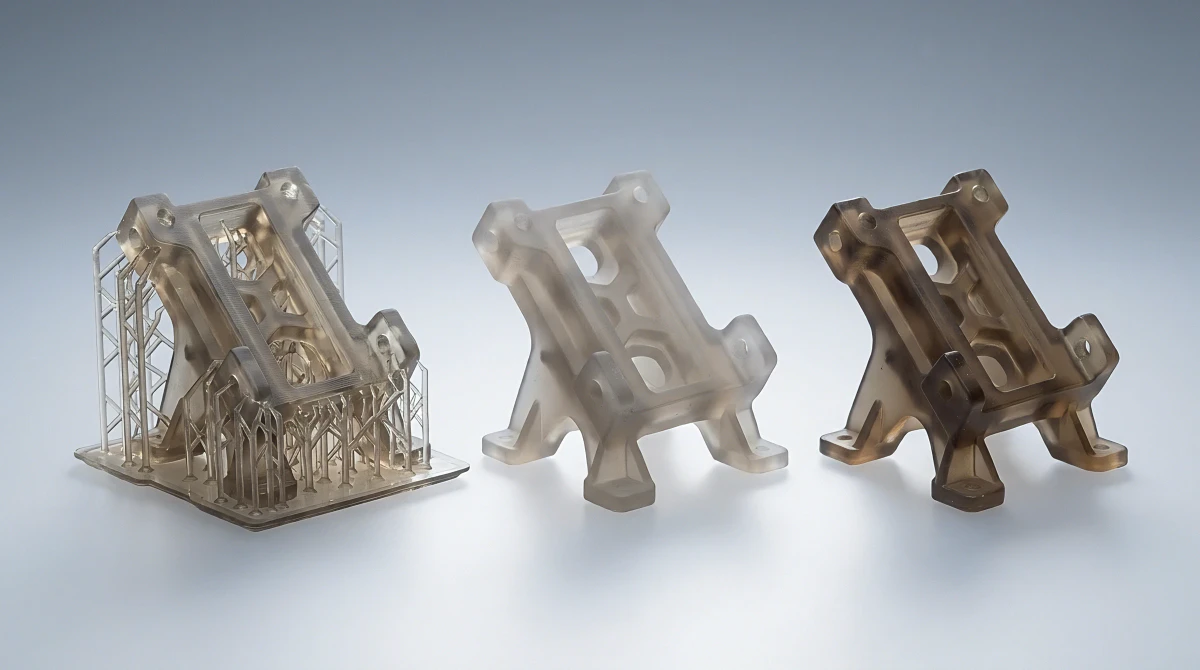
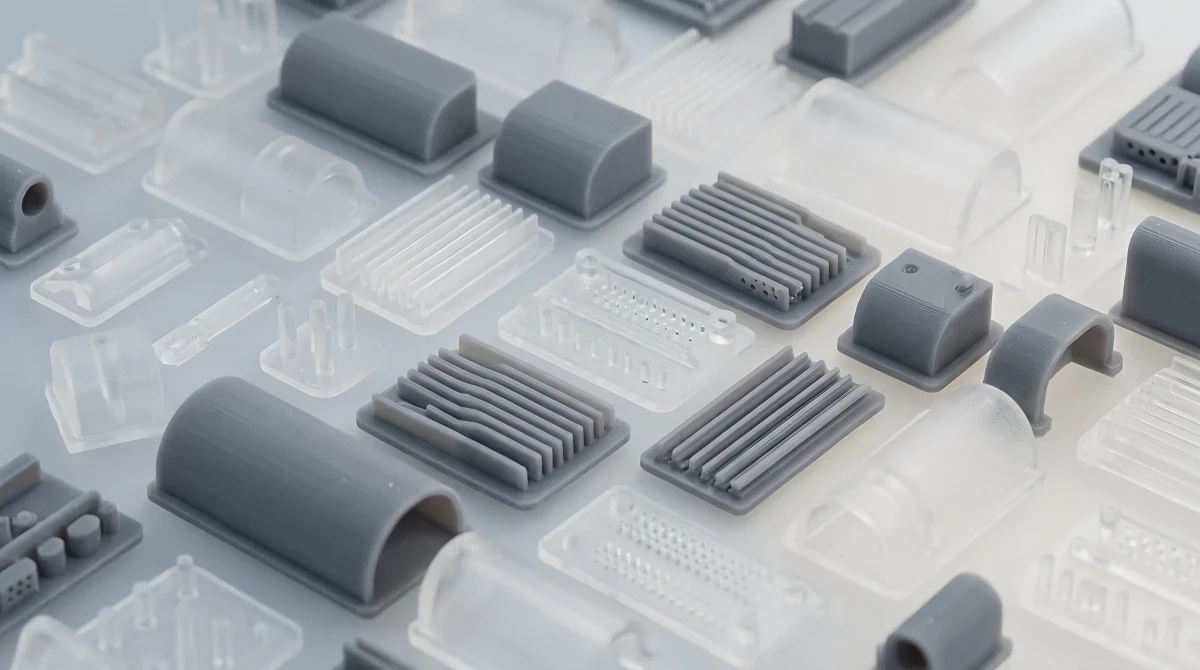
Vat photopolymerization is the additive process category in which liquid resin in a vat is cured selectively by light into thin solid layers.

Every Vat Photopolymerization article of the 3D Printing Resources, newest first, each written from published standards, research and makers’ data.

Meaning

Vat photopolymerization is the additive process category in which liquid resin in a vat is cured selectively by light into thin solid layers. ISO/ASTM 52900 lists it among its 7 categories. Stereolithography (SLA) and digital light processing (DLP) belong to it. Parts leave the printer green and are washed, dried and post-cured outside it.

Published Tolerance

Formlabs publishes one statement for SLA and DLP. It gives ±0.15 % for 1 to 30 mm (0.04 to 1.18 in) and ±0.2 % for 31 to 80 mm (1.22 to 3.15 in). From 81 to 150 mm (3.19 to 5.91 in) the figure is ±0.3 %, and no feature goes below ±0.02 mm (±0.0008 in). Formlabs places resin and powder printing between standard and fine machining. Post-curing causes shrinkage, which is normal for the category.
Read More

Platform Count

Parts hang on supports from a build platform, and the count follows the platform area and how closely supports let parts sit. The 3D Systems SLA 750 builds in 750 × 750 × 550 mm (29.5 × 29.5 × 21.65 in), about 309 L (81.6 gal). The sources give no packing density for resin.

Throughput

A 2026 review put the category at 7.62 parts per hour per batch for a 30 mm (1.18 in) cube. In a continuous 120-hour scenario it made 14.00. Printed cost per part stayed constant with quantity in that study, while molded cost fell.

Exposure

The printer exposes each layer for long enough to hold it to the one below. Somos EvoLVe 128 gives a critical exposure of 9.3 mJ/cm² and an exposure of 95.1 mJ/cm² for a layer 0.254 mm (0.010 in) thick. The sources give no time per layer, so the duration of a resin build is not stated here. The post-cure then completes the conversion through the whole part.
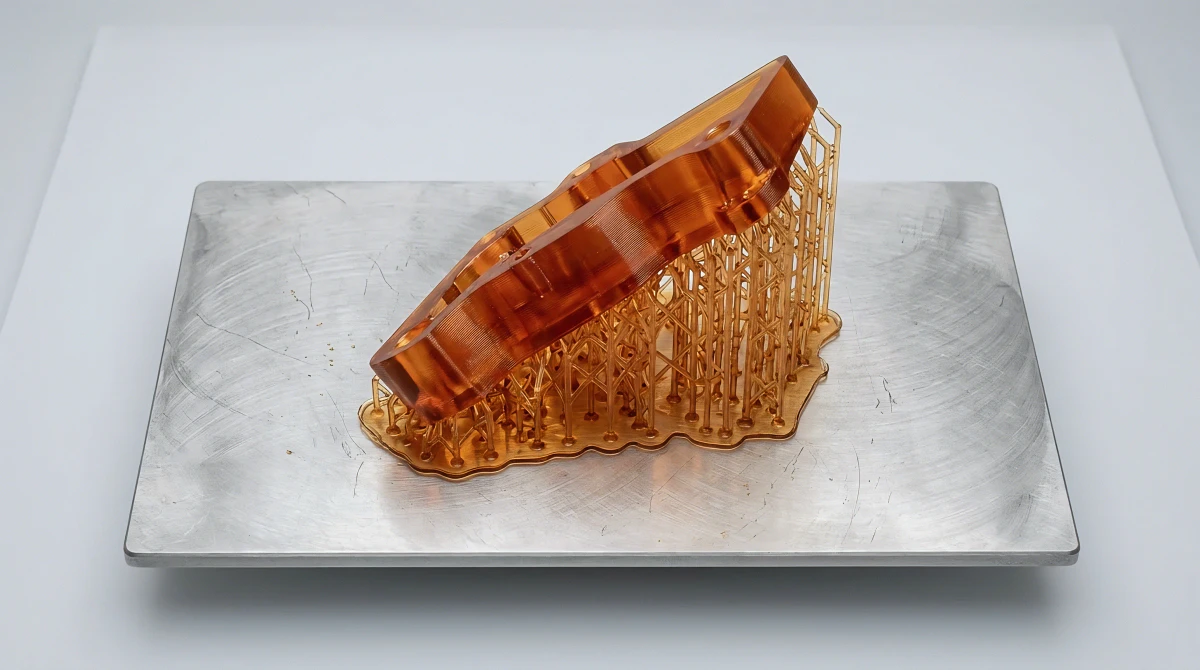
Orienting and Supporting a Part for SLA Printing

SLA orientation is set for the critical and cosmetic faces first, then checked for overhangs, cross section, trapped resin and support marks before anything is printed.

The Orientation Step in OrderThe order below follows Carbon's published assessment criteria for orientation and supports, with Stratasys's design guide filling in thresholds.

Surface Roughness of 3D Printed Parts by Process and Orientation

Process sets the floor of roughness and orientation moves it face by face, so a printed part's roughness note names the parameter, the face, its build direction and the finish.

Typical Ra and Sa of SLA, SLS, MJF and Metal SurfacesA review of as-printed polymer roughness in the International Journal of Advanced Manufacturing Technology collects dozens of studies by process. Another study printed one test artifact on four processes and measured them all the same way.

Clearance for Snug and Sliding Fits Between 3D Printed Parts

Printed fits start from a published gap that depends on whether parts are built apart or together, lose clearance to undersized bores, and are settled by a fit coupon.

Starting Clearances for Snug and Sliding Fits in SLS and MJFA snug fit here means two printed parts that assemble with little play and stay together; a sliding fit means two parts that move against each other after assembly. The published values separate them by how the parts were made, more than by how tight the fit is meant to be.

How Many Parts Fit in One SLS or MJF Build

Chamber volume times packing density divided by part volume sets the count, and every term has a published limit.

How Many Parts Fit in a Powder Bed Fusion BuildPowder bed fusion, one of the seven process categories in ISO/ASTM 52900, builds parts inside a bed of powder that supports them, so a chamber can be filled in three dimensions and the parts need no support structures. The count that results is set by three quantities: the usable volume, the share of that volume that holds parts, and the volume of the part itself.

How Long a Batch of 3D Printed Parts Takes From Print to Pack-Out

A printed batch runs on four clocks, build, cooldown, finishing and inspection, and a stated lead time should show each.

Lead Time for a 3D Printed Batch Stage by StageThe calendar of a batch has the same skeleton in every process. Files are prepared and nested, the machine builds, the work cools or cures, parts are separated from what held them, and finishing and inspection follow.

SLA Wash and Post-Cure Step by Step From Green Part to Finished Resin Part

Wash each resin for its own time, dry it fully, cure to the datasheet condition, then remove supports and measure.

SLA Wash, Dry, Cure and Support Removal in OrderThe part leaves the printer in a green state: polymerized enough to keep its shape, but with its reaction unfinished and a film of liquid resin over it. The order in which the finishing steps run is set by what each one needs from the one before.

SLA Dimensional Tolerance by Feature Size

SLA tolerance is published as a percentage of feature size with a small floor, so a drawing writes bands and a post-cure condition and not one general figure.

SLA Tolerance Values Published by Two MakersTable 1 states the two specifications as their makers print them. Neither is a guarantee for a delivered part, and the Formlabs guide notes that the best way to judge a printer is to inspect real parts.

ISO/ASTM 52900 Additive Manufacturing Terms and the Seven Process Categories

The vocabulary standard fixes the words an additive order is written in, so name the process category beside the brand and let other standards set quality.

What ISO/ASTM 52900 Covers and What It Leaves OutISO/ASTM 52900 establishes and defines the terms used in additive manufacturing (AM), the technology that applies an additive shaping principle and builds physical three-dimensional geometries by successive addition of material. Its scope sentence also states that the terms are classified into specific fields of application.

Send the 3D File of Your Printed Part

Send the 2D drawing and the 3D file, with the quantity and the stage of the project. An engineer replies within 1 working day.

The quote form, the mutual NDA and the private folder for your files are on Protolis Atelier, with 3D Printing chosen.

Request a Quote