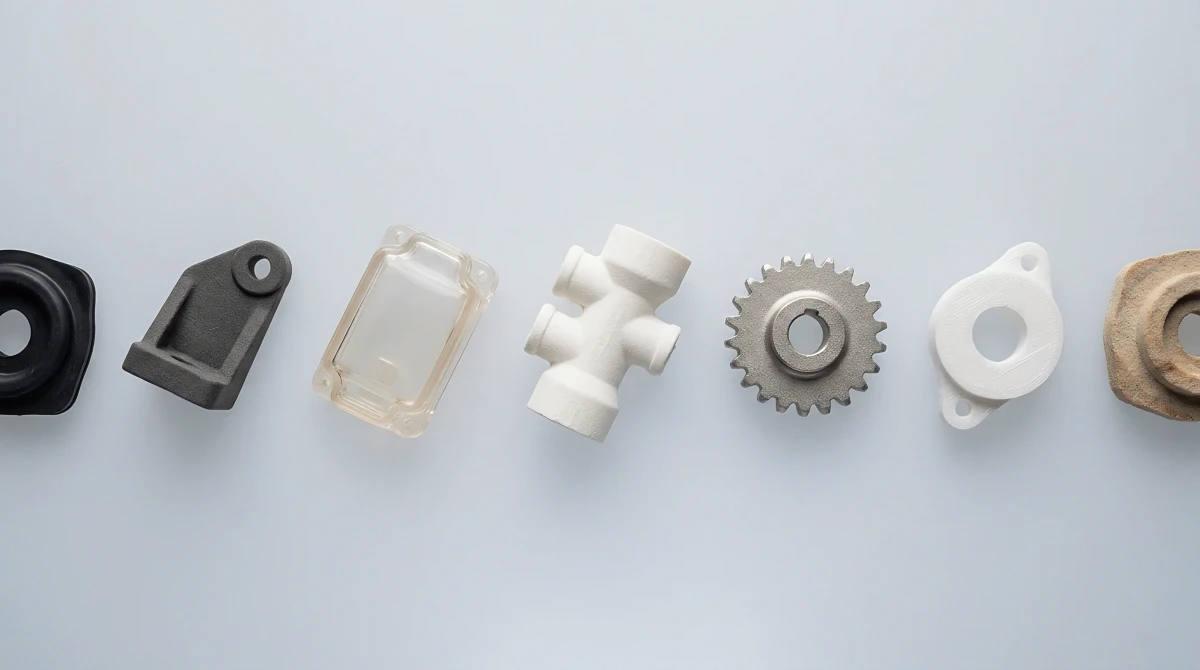
SLS

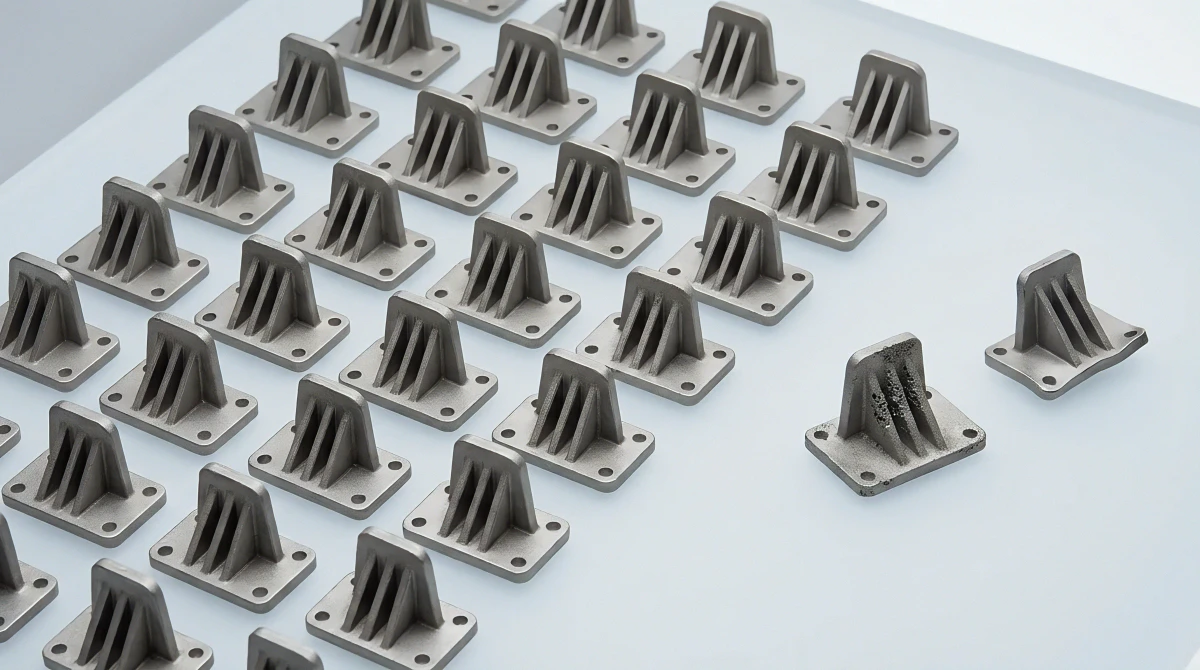
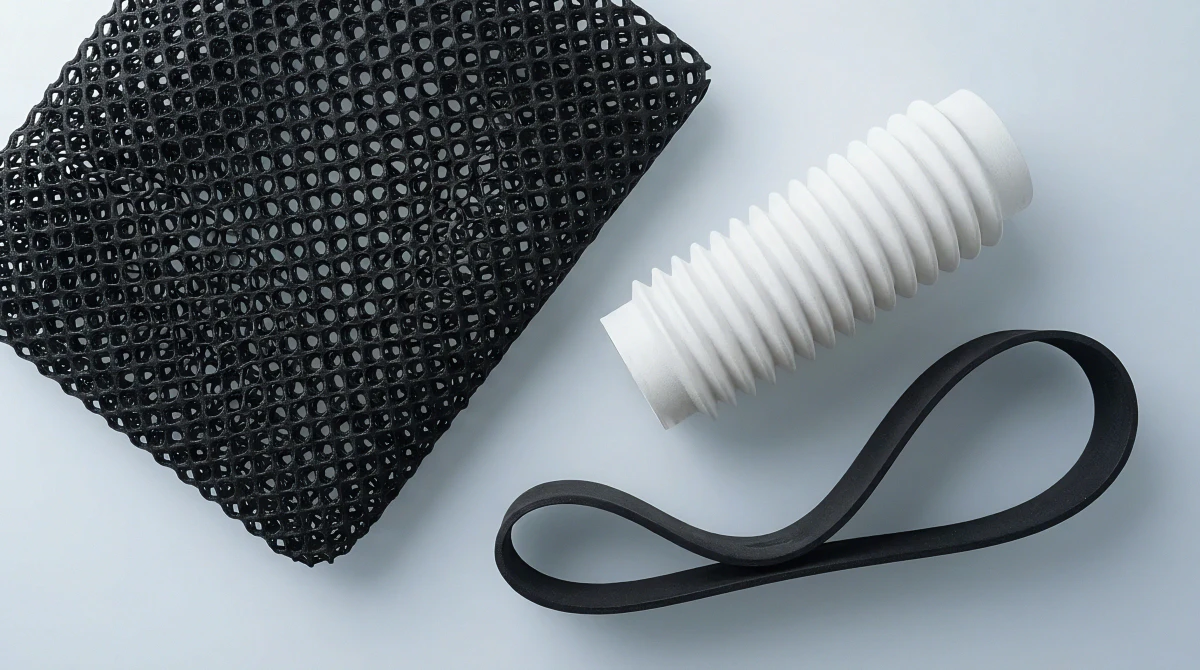
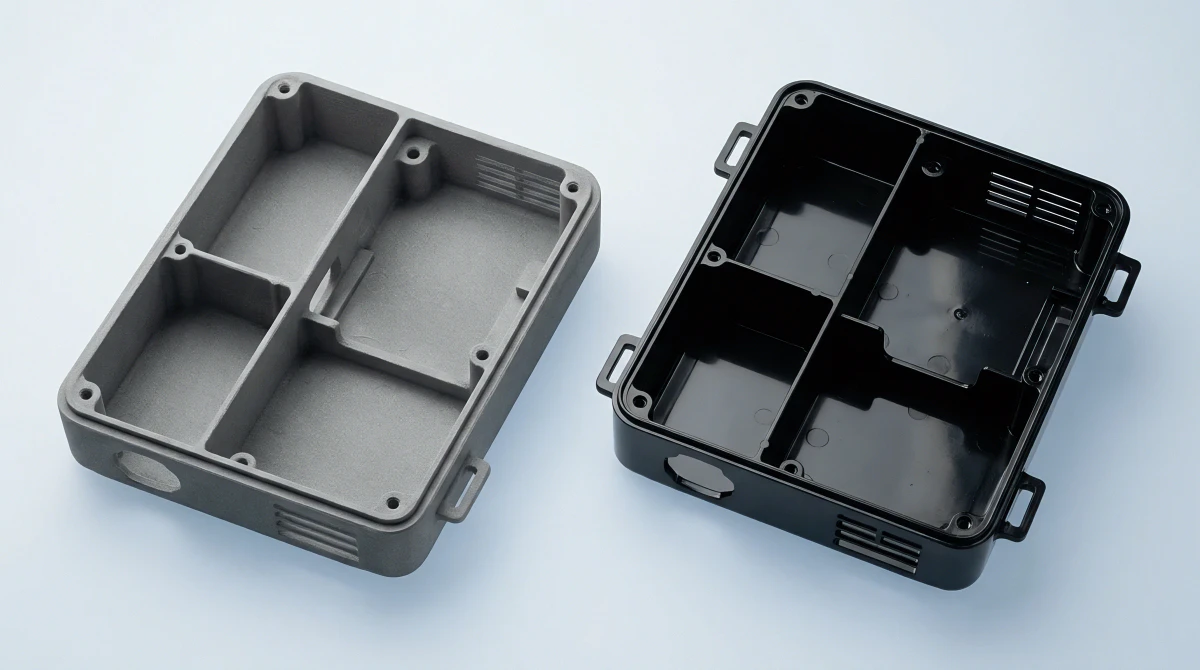
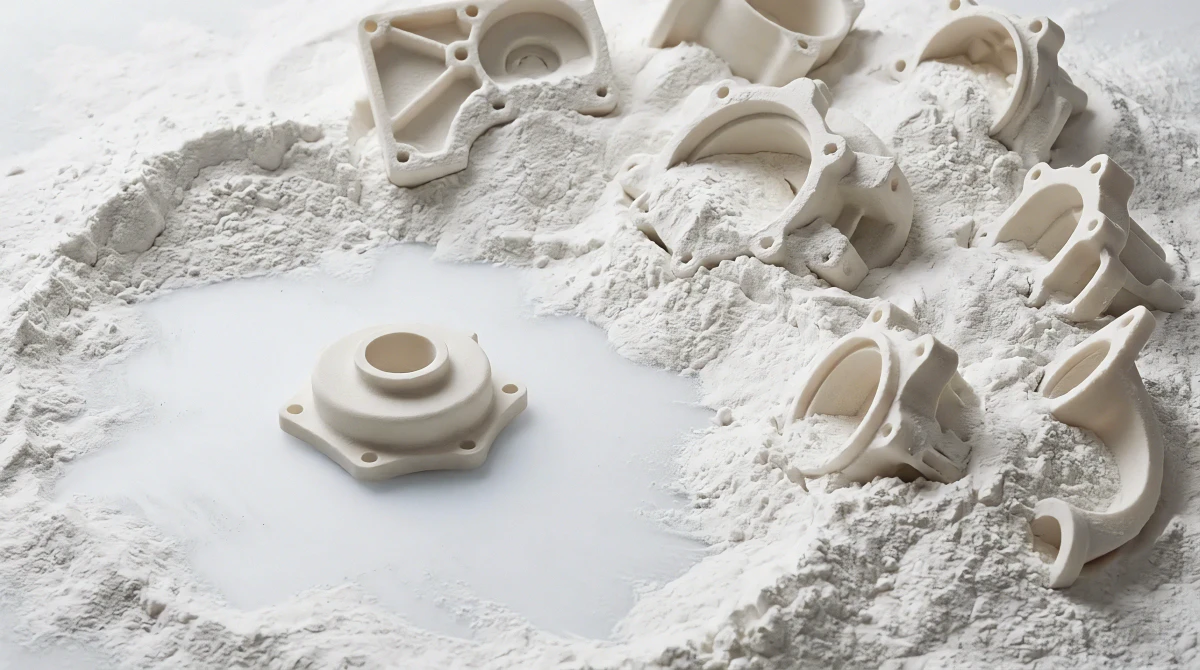
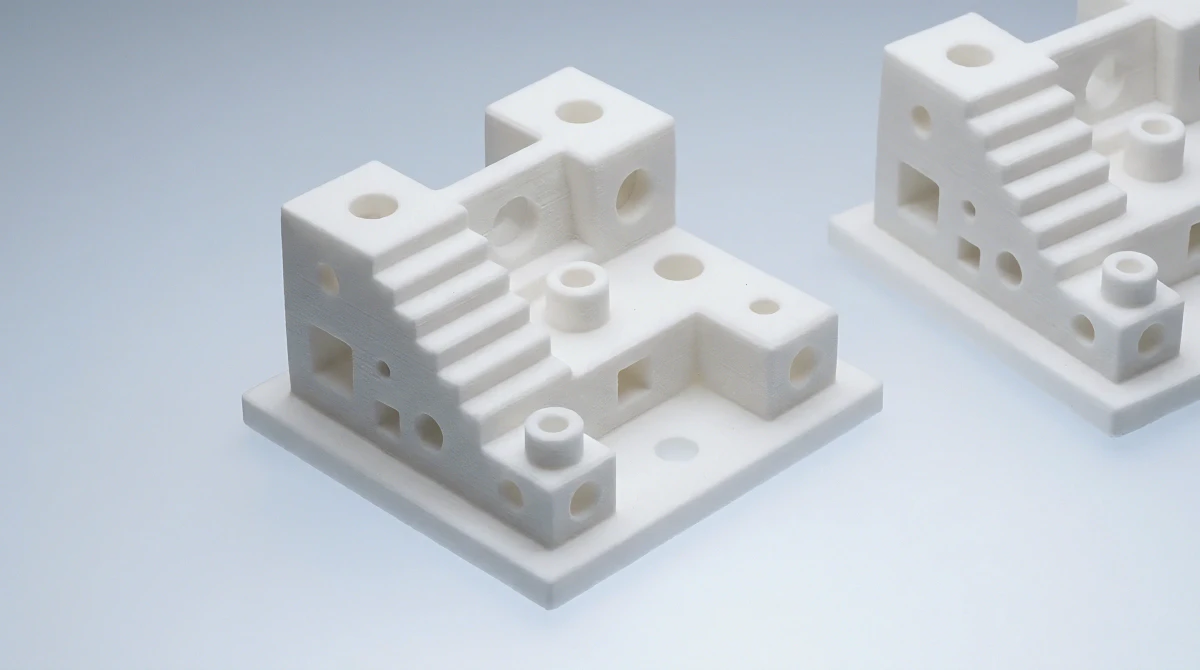
Selective laser sintering (SLS) fuses polymer powder with a laser, layer by layer, while the unfused powder around each part supports it.

Every SLS article of the 3D Printing Resources, newest first, each written from published standards, research and makers’ data.

Meaning

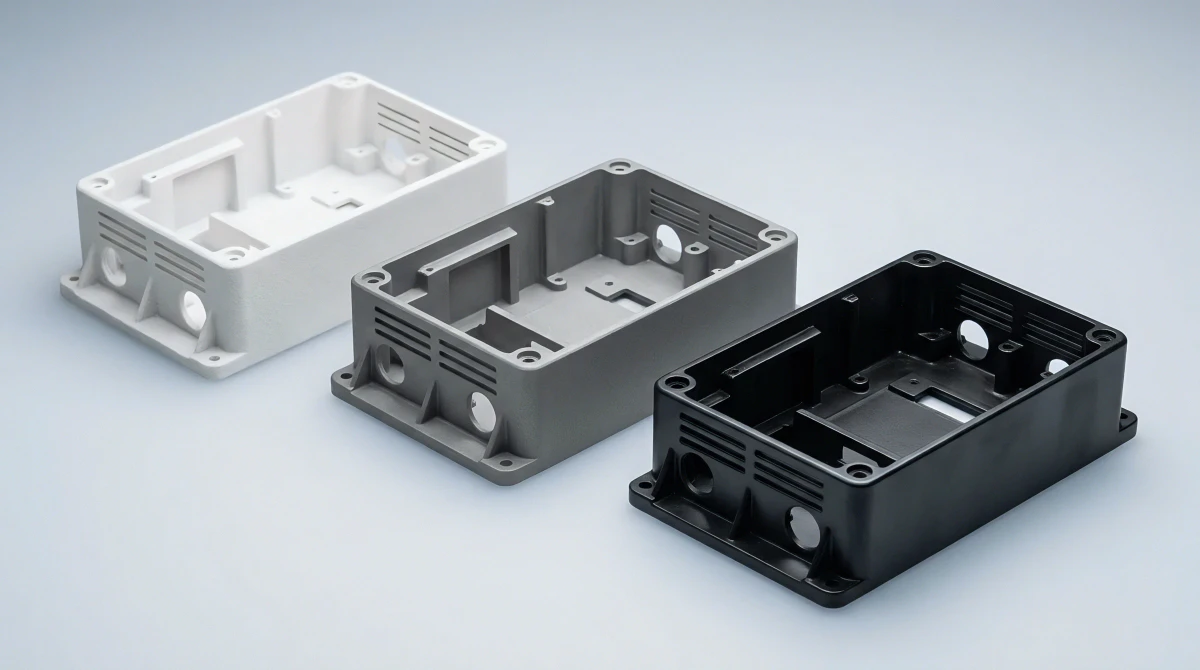
Selective laser sintering (SLS) fuses polymer powder with a laser, layer by layer, while the unfused powder around each part supports it. ISO/ASTM 52900 places it in the powder bed fusion category. The SLS parts in these resources are nylon 12, built with no support structures. A build ends as a hot cake that cools before the parts are unpacked.

Machines

The Formlabs Fuse 1+ 30W builds in 165 × 165 × 300 mm (6.5 × 6.5 × 11.8 in). It uses a 30 W ytterbium fiber laser, and the Fuse X1 uses 120 W. The Fuse X1 builds in 330 × 330 × 565 mm (13.0 × 13.0 × 22.2 in), and both lay 110 µm (0.0043 in) layers. The 3D Systems SLS 380 builds in 381 × 330 × 460 mm (15 × 13 × 18 in). It runs closed-loop control with 8 heaters and an infrared camera.
Read More

XY and Z Tolerance

Formlabs gives SLS ±0.5 % or 0.3 mm (0.012 in) in XY, whichever is larger, the same as Multi Jet Fusion (MJF). Its accuracy study states Z as ±1 % or 0.6 mm (0.024 in), whichever is smaller. The tables in the same study report ±0.7 mm (±0.028 in) for Z at 100 mm (3.94 in). In capability terms, XY held IT 13 with an index of 1.6, while Z reached the 1.33 threshold only at IT 16.

Cooldown

Unpacking temperature decides warp. In the Formlabs test, parts unpacked at 100 °C (212 °F) showed about double the warp of parts unpacked at room temperature. It sets 50 °C (122 °F) as the ideal and 70 °C (158 °F) as the ceiling. After cooling, a Fuse Sift takes about 15 to 20 minutes and a Fuse Blast about 20.

SLS Order Content

An SLS order names the powder grade and its refresh ratio, the unpacking temperature ceiling and the orientation of long parts. It writes XY and Z tolerances apart and says whether the supplier may scale the file. It asks for measured data on the first parts with the build position named.
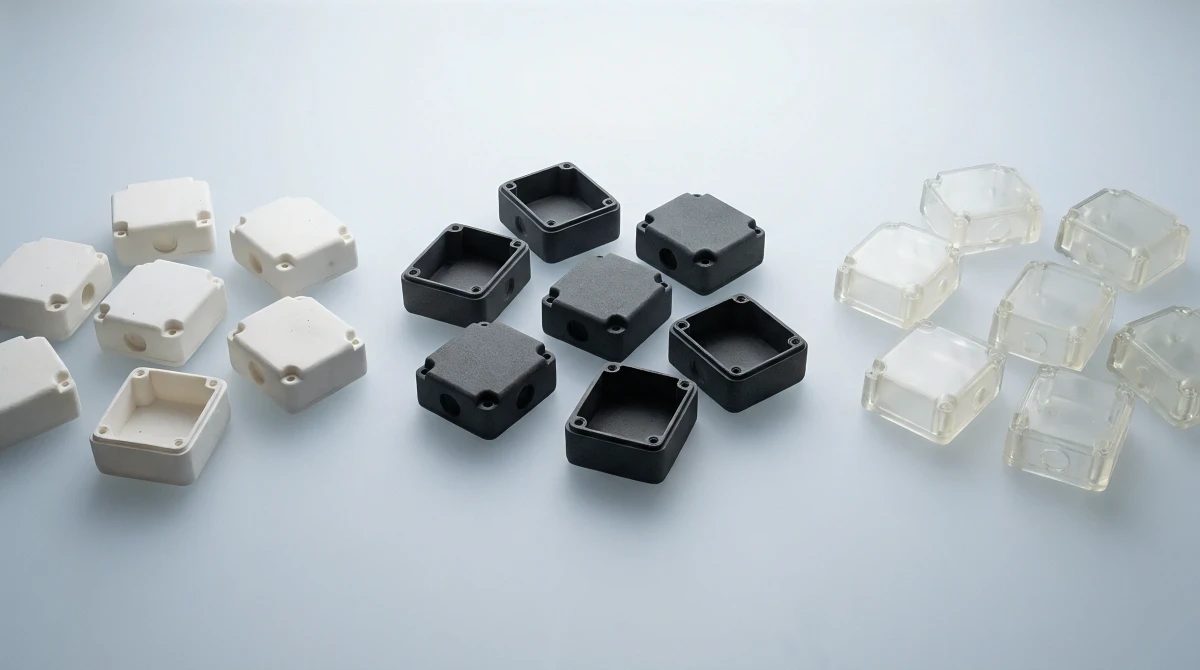
3D Printing Defects in a Production Batch Traced to Their Cause

A defect in a printed batch is traced by its pattern, every part, one zone, one build or a slow trend across builds, and each pattern points to its own cause and evidence.

Reading a Defect by Its Pattern Across the BatchThe 2022 review sorts the sources of metal powder bed defects into three groups: defects transferred from the feedstock powder, defects formed in the interaction of the beam with powder and metal during melting, and defects created in post-processing such as heat treatment. It adds a fourth set of contributors around them: the equipment, powder handling and dispensing, and build preparation, meaning orientation and supports.

Vapor Smoothing and Bead Blasting SLS Nylon Parts

Powder bed nylon is always bead blasted clean, then optionally shot surfaced for feel and color or vapor smoothed for a sealed glossy skin, and the order names the steps and the faces.

The Finishing Sequence for Powder Bed NylonThe DyeMansion test that opens this piece ran every part through the same steps, and its table of settings is the clearest published version of the sequence.

Surface Roughness of 3D Printed Parts by Process and Orientation

Process sets the floor of roughness and orientation moves it face by face, so a printed part's roughness note names the parameter, the face, its build direction and the finish.

Typical Ra and Sa of SLA, SLS, MJF and Metal SurfacesA review of as-printed polymer roughness in the International Journal of Advanced Manufacturing Technology collects dozens of studies by process. Another study printed one test artifact on four processes and measured them all the same way.

Clearance for Snug and Sliding Fits Between 3D Printed Parts

Printed fits start from a published gap that depends on whether parts are built apart or together, lose clearance to undersized bores, and are settled by a fit coupon.

Starting Clearances for Snug and Sliding Fits in SLS and MJFA snug fit here means two printed parts that assemble with little play and stay together; a sliding fit means two parts that move against each other after assembly. The published values separate them by how the parts were made, more than by how tight the fit is meant to be.

TPU Flexible Powder for SLS and MJF Parts

TPU from a powder bed is equally soft in every direction but stretches far less across its layers, so grade, machine, build direction and test method all belong in the order.

TPU Powder Grades and Their Tensile Properties in XY and ZFour makers' sheets give enough to compare. Forward AM, the additive business of BASF, publishes four Ultrasint TPU powders side by side in one brochure, which makes it the cleanest set: the same company, the same tests, four grades.

Inspecting a 3D Printed Production Run and When a Mold Takes Over

Accept the first printed part against written limits, keep the record, and weigh a mold by identical quantity and design stability.

How a Printed Production Run Is Inspected and AcceptedISO/ASTM 52901:2017, titled requirements for purchased AM parts, gives the frame. Its scope says it covers the elements to be exchanged between customer and part provider at the time of the order: customer order information, part definition data, feedstock requirements, final part characteristics and properties, inspection requirements and part acceptance methods.

SLS Nylon 12 Dimensional Tolerance in XY and Z

Laser sintered nylon holds far tighter size in the layer plane than across the layers, so a drawing writes the axes apart and states build position, scaling and measured data.

SLS Nylon 12 Tolerance in XY and in ZTable 1 lists the statements, then applies them to sizes a designer uses. The guide gives the XY rule for SLS and MJF as ±0.5 % or 0.3 mm, whichever is larger.

ISO/ASTM 52900 Additive Manufacturing Terms and the Seven Process Categories

The vocabulary standard fixes the words an additive order is written in, so name the process category beside the brand and let other standards set quality.

What ISO/ASTM 52900 Covers and What It Leaves OutISO/ASTM 52900 establishes and defines the terms used in additive manufacturing (AM), the technology that applies an additive shaping principle and builds physical three-dimensional geometries by successive addition of material. Its scope sentence also states that the terms are classified into specific fields of application.

Send the 3D File of Your Printed Part

Send the 2D drawing and the 3D file, with the quantity and the stage of the project. An engineer replies within 1 working day.

The quote form, the mutual NDA and the private folder for your files are on Protolis Atelier, with 3D Printing chosen.

Request a Quote