HP Multi Jet Fusion

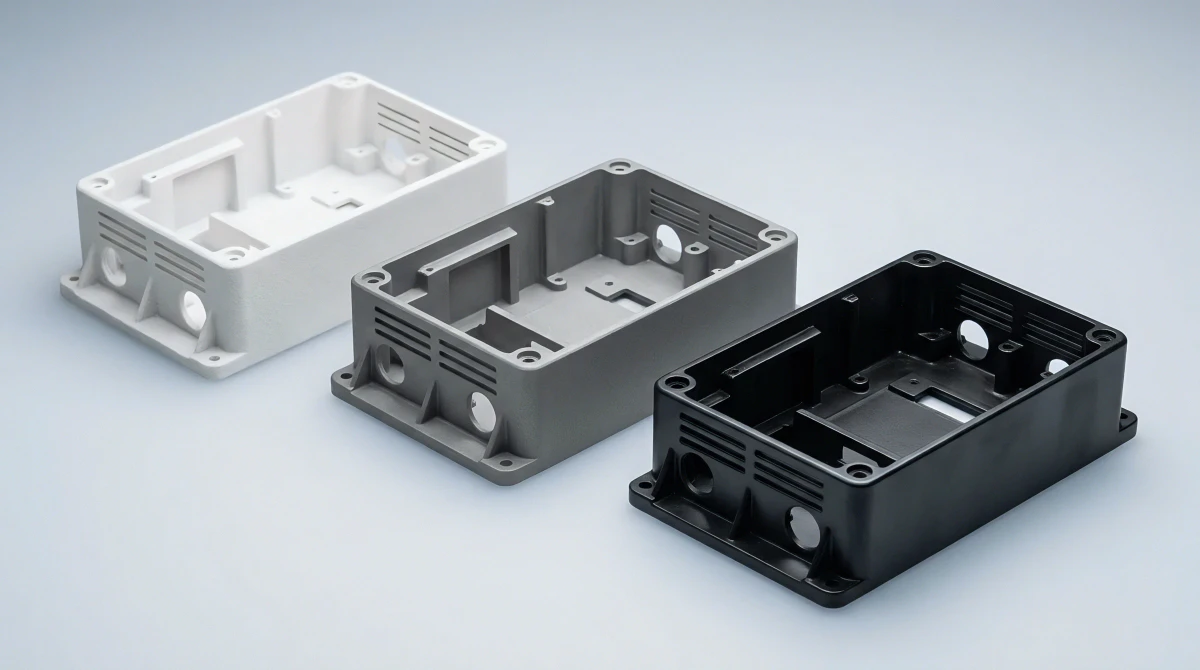
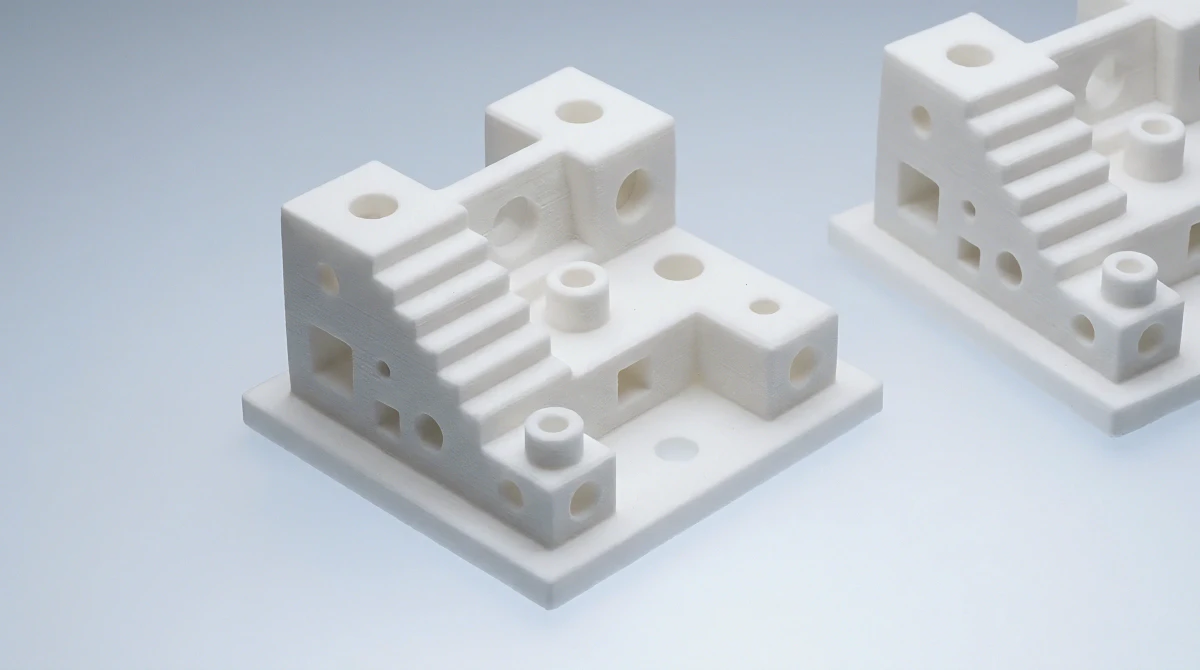
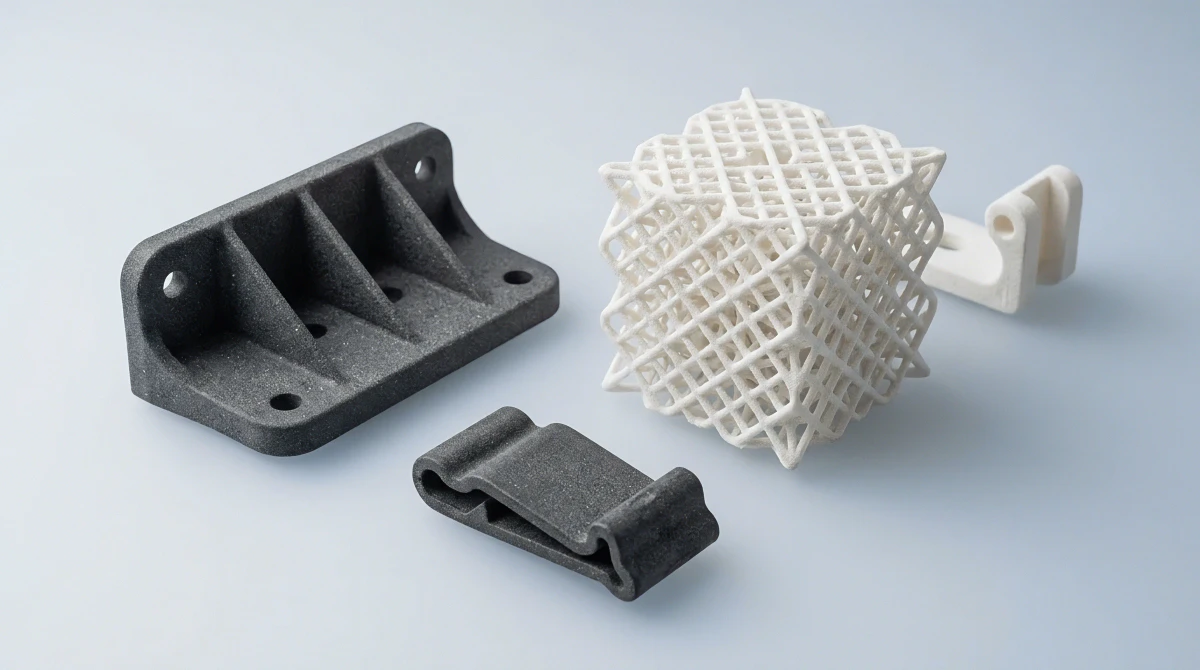
HP Multi Jet Fusion (MJF) is HP's powder bed fusion process, which fuses polymer powder with a fusing lamp and a multi-agent printing process.

Every HP Multi Jet Fusion article of the 3D Printing Resources, newest first, each written from published standards, research and makers’ data.

Meaning

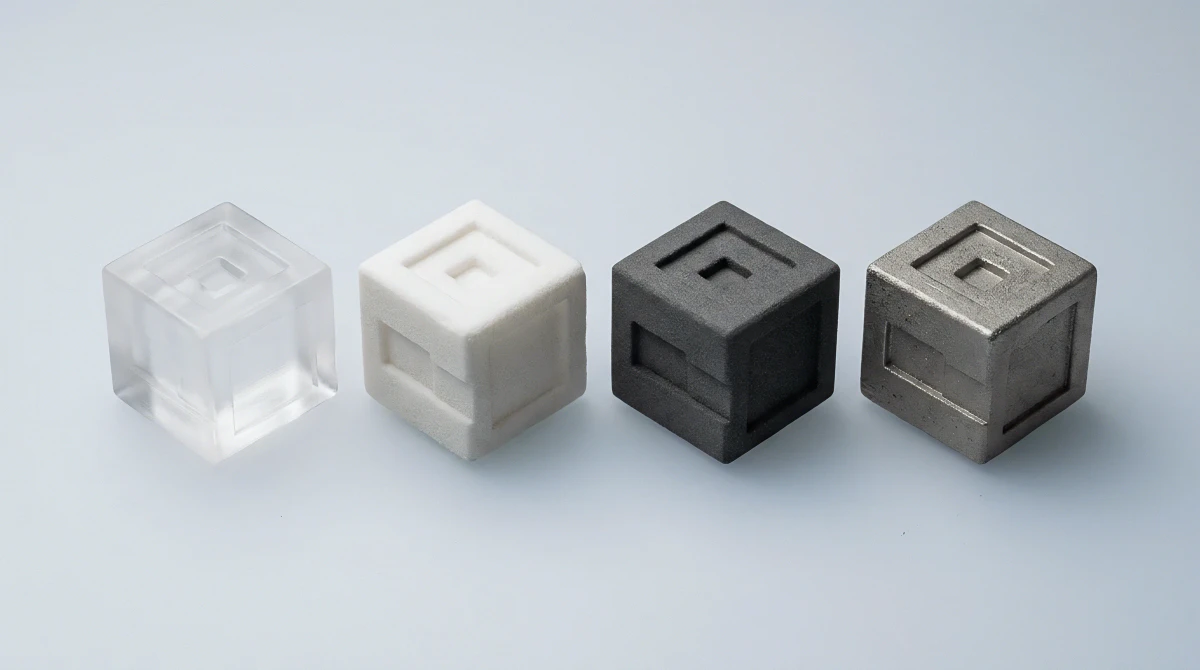
HP Multi Jet Fusion (MJF) is HP’s powder bed fusion process, which fuses polymer powder with a fusing lamp and a multi-agent printing process. ISO/ASTM 52900 places it in the powder bed fusion category with selective laser sintering (SLS). The two share the category and differ in their heat source, a lamp in one and a laser in the other. Polyamide 12 is the base polymer of its most common powders.

Machine

The HP Jet Fusion 5200 series builds in 380 × 284 × 380 mm (15 × 11.1 × 15 in), 41 L (10.8 gal). HP describes a Natural Cooling Unit that removes and cools each build so the printer can continue. It also lists an Automatic Unpacking Station and automation for build unit exchange and powder handling. Formlabs, a competitor, credits the series with about 0.11 kg/h (0.24 lb/h) and 808 parts per build.
Read More

Materials

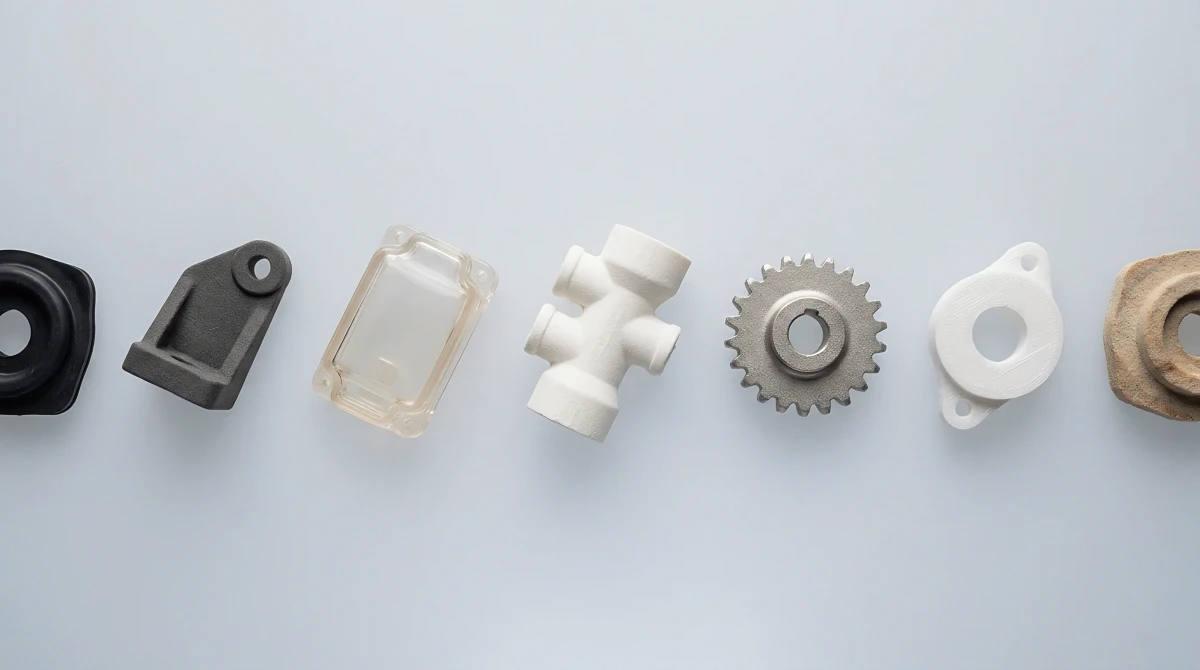
HP sells High Reusability PA 12 and a grade filled with 40 % glass beads. It states stable performance for the plain grade at a 20 % refresh rate, and at least 30 % for the filled grade. Its glass bead sheet states that the data come from powder aged by generation in real printing conditions. HP shows its parts after dye and graphite post-processing.

XY Tolerance

The Formlabs tolerance guide gives MJF the same XY statement as SLS, ±0.5 % or 0.3 mm (0.012 in), whichever is larger. That statement reflects the process family and is not a measurement on every machine. An order that needs a closer figure asks the supplier for measured data on its own machine, powder and packing.

Naming

A quote says MJF where the category is powder bed fusion. An order writes the category with the brand beside it, so that a change of machine keeps the requirement the same.
Vapor Smoothing and Bead Blasting SLS Nylon Parts

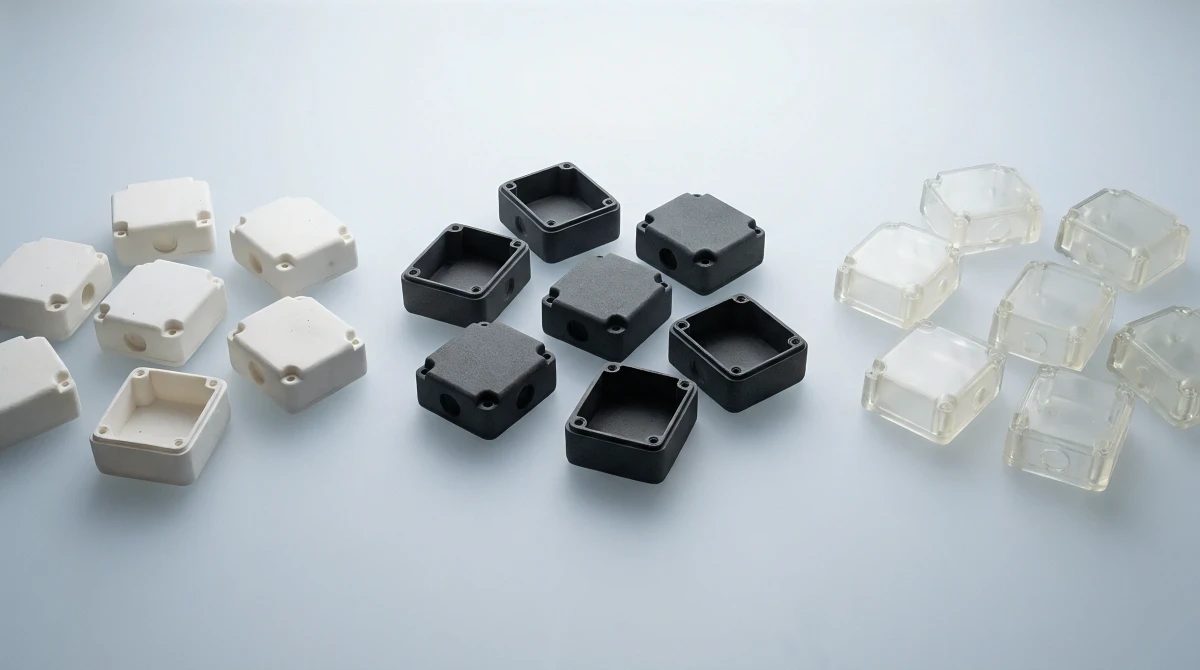
Powder bed nylon is always bead blasted clean, then optionally shot surfaced for feel and color or vapor smoothed for a sealed glossy skin, and the order names the steps and the faces.

The Finishing Sequence for Powder Bed NylonThe DyeMansion test that opens this piece ran every part through the same steps, and its table of settings is the clearest published version of the sequence.

Surface Roughness of 3D Printed Parts by Process and Orientation

Process sets the floor of roughness and orientation moves it face by face, so a printed part's roughness note names the parameter, the face, its build direction and the finish.

Typical Ra and Sa of SLA, SLS, MJF and Metal SurfacesA review of as-printed polymer roughness in the International Journal of Advanced Manufacturing Technology collects dozens of studies by process. Another study printed one test artifact on four processes and measured them all the same way.

Clearance for Snug and Sliding Fits Between 3D Printed Parts

Printed fits start from a published gap that depends on whether parts are built apart or together, lose clearance to undersized bores, and are settled by a fit coupon.

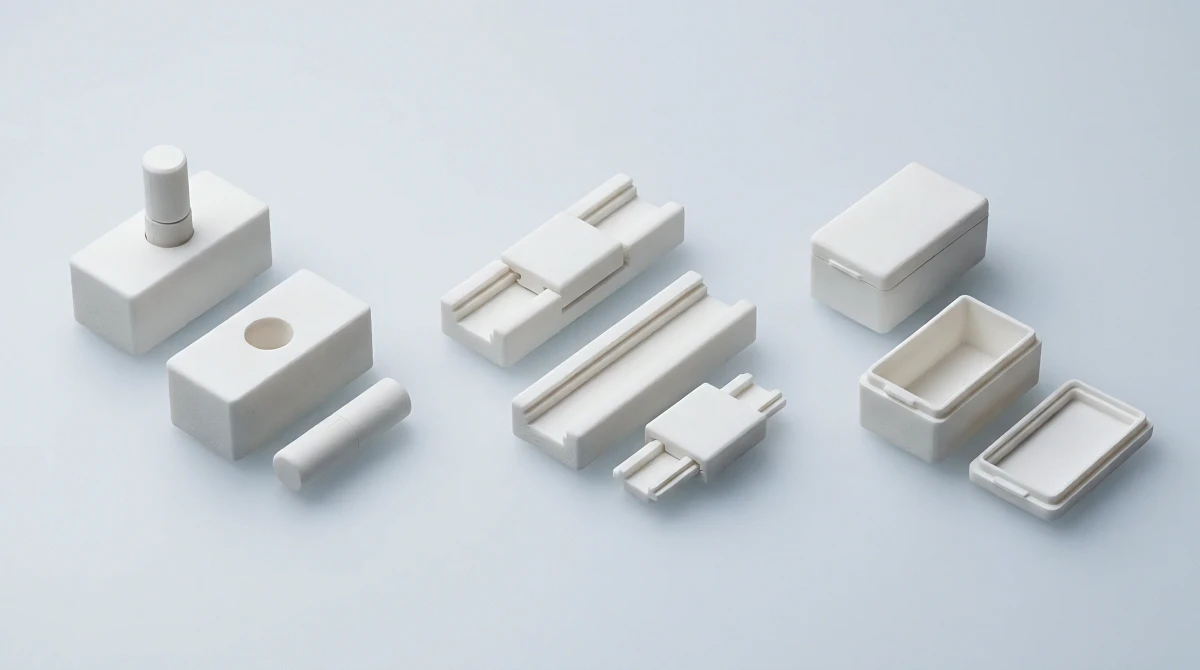
Starting Clearances for Snug and Sliding Fits in SLS and MJFA snug fit here means two printed parts that assemble with little play and stay together; a sliding fit means two parts that move against each other after assembly. The published values separate them by how the parts were made, more than by how tight the fit is meant to be.

TPU Flexible Powder for SLS and MJF Parts

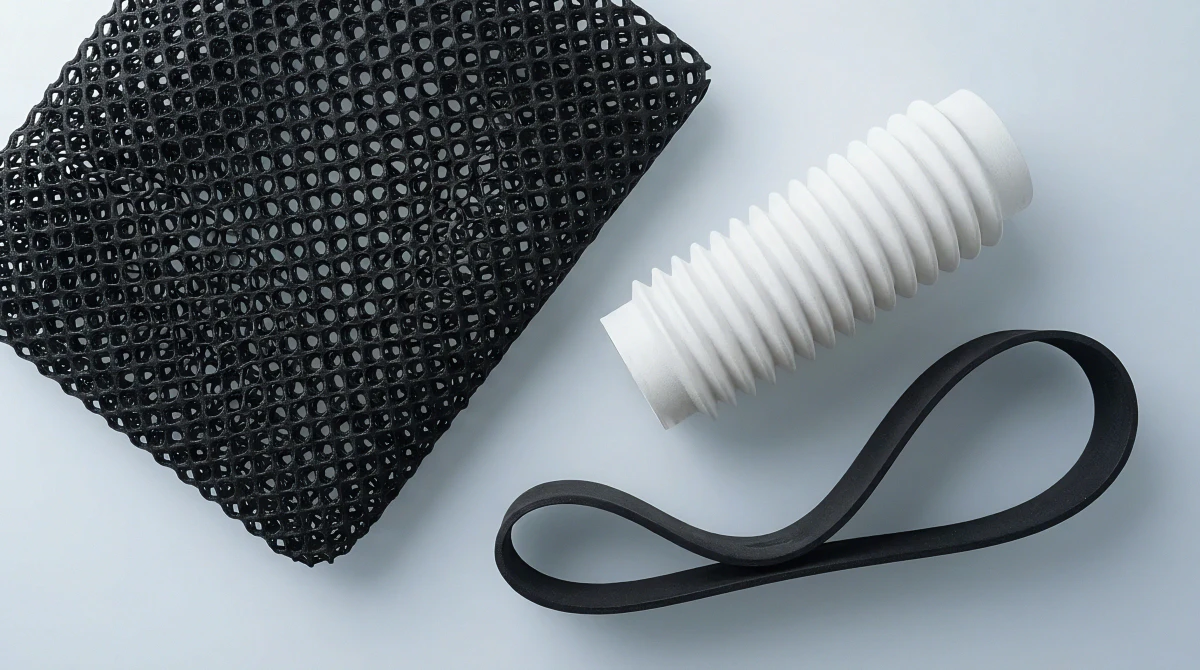
TPU from a powder bed is equally soft in every direction but stretches far less across its layers, so grade, machine, build direction and test method all belong in the order.

TPU Powder Grades and Their Tensile Properties in XY and ZFour makers' sheets give enough to compare. Forward AM, the additive business of BASF, publishes four Ultrasint TPU powders side by side in one brochure, which makes it the cleanest set: the same company, the same tests, four grades.

SLS Nylon 12 Dimensional Tolerance in XY and Z

Laser sintered nylon holds far tighter size in the layer plane than across the layers, so a drawing writes the axes apart and states build position, scaling and measured data.

SLS Nylon 12 Tolerance in XY and in ZTable 1 lists the statements, then applies them to sizes a designer uses. The guide gives the XY rule for SLS and MJF as ±0.5 % or 0.3 mm, whichever is larger.

ISO/ASTM 52900 Additive Manufacturing Terms and the Seven Process Categories

The vocabulary standard fixes the words an additive order is written in, so name the process category beside the brand and let other standards set quality.

What ISO/ASTM 52900 Covers and What It Leaves OutISO/ASTM 52900 establishes and defines the terms used in additive manufacturing (AM), the technology that applies an additive shaping principle and builds physical three-dimensional geometries by successive addition of material. Its scope sentence also states that the terms are classified into specific fields of application.

PA12 Nylon Properties for SLS and MJF Parts

Powder-bed nylon parts stretch far less along the build axis than in the layer plane, so a drawing needs a build direction, a grade and the test method.

What PA12 Powder Gives a Printed PartPolyamide 12 is the base polymer of the most common powders for laser sintering and for HP Multi Jet Fusion. EOS describes PA 2200, its PA12 powder, as a balanced property profile and "the most proven material on the market" for its machines.

Send the 3D File of Your Printed Part

Send the 2D drawing and the 3D file, with the quantity and the stage of the project. An engineer replies within 1 working day.

The quote form, the mutual NDA and the private folder for your files are on Protolis Atelier, with 3D Printing chosen.

Request a Quote