Meaning
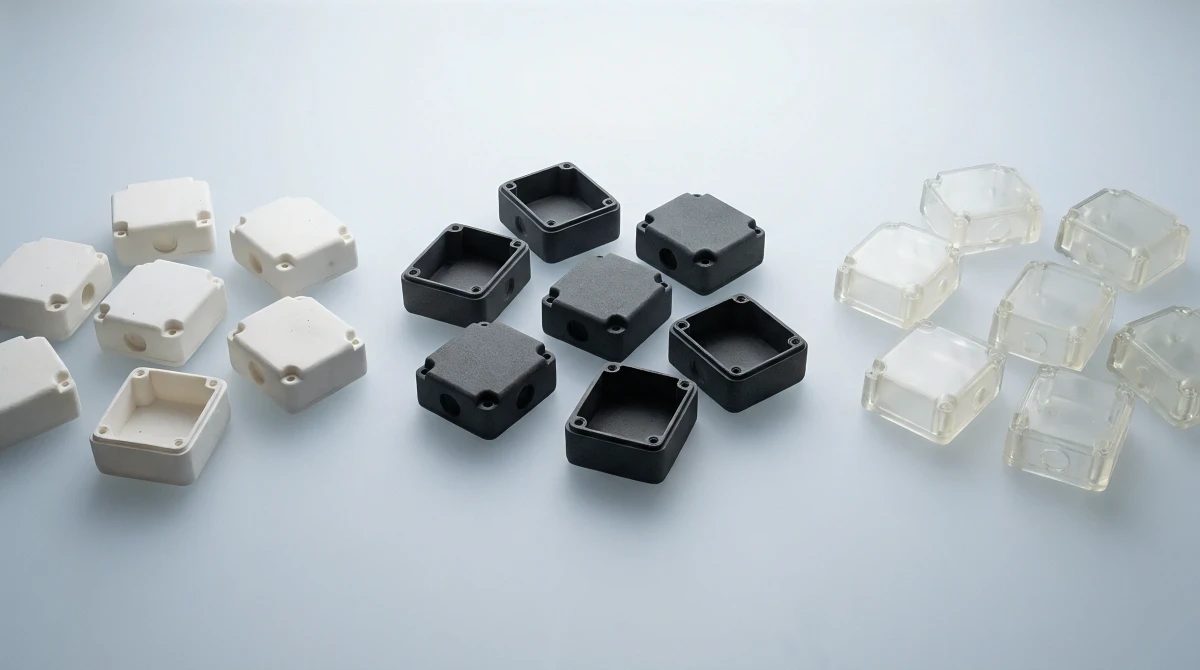
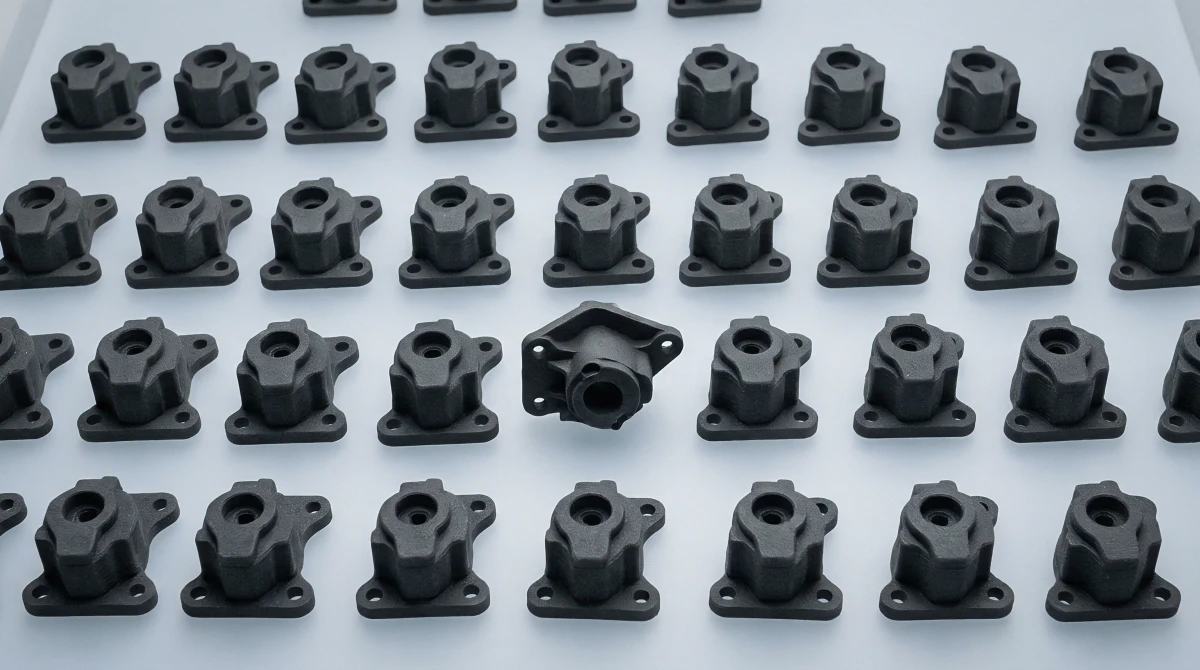
A lot is a quantity of parts delivered and accepted together, made under one plan from one build or a set of builds. The articles in these resources use it as the unit a buyer compares over time, lot 6 against lot 1. One lot is comparable with another only when both were made and measured under the same written conditions. ISO/ASTM 52901 gives the reference part, retained for comparison with later lots, its own acceptance clause.Sources of Drift
Several things change between lots without any change to the drawing. Powder ages, and HP’s glass bead sheet tracks it by generation. The plain HP grade runs at a 20 % refresh rate. Its glass bead grade needs a refresh of at least 30 %. Position in the chamber moves size, and Formlabs found nylon blocks at the top of a build 0.58 % tall in Z. A different wash bath or oven changes a resin part. A changed 316L parameter set changes the size after heat treatment, +0.02 % on one set and +0.2 % on another.Read More
Worked Case
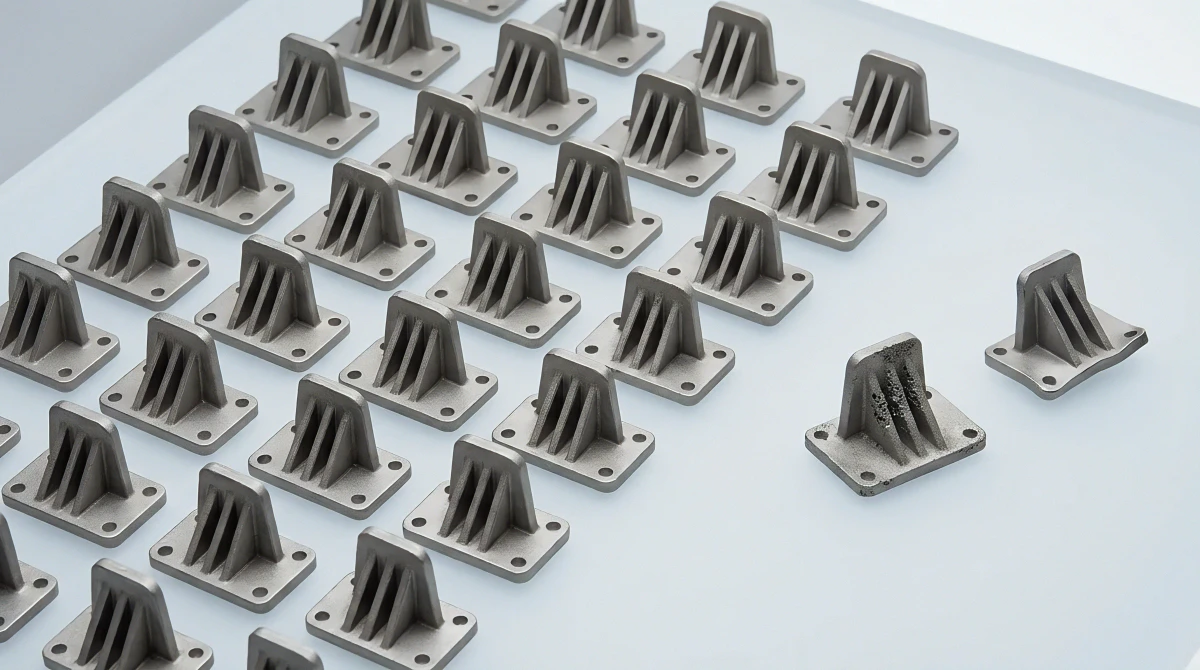
In a worked case with assumed numbers, an order of 600 parts arrives in 6 lots of 100, each from its own build. The order accepts the first production part at lot 1 and keeps a reference part from that lot. Lots 2 to 6 are compared with the reference part and with witness specimens printed beside each build. An inspection of “all lots” with no common reference lets an assumed drift of 0.1 % per lot reach 0.5 % by lot 6.Comparison Records
Records make one lot comparable with another. ISO/ASTM 52927 splits them into feedstock records, process monitoring records and part test results, each a separate deliverable. A test agreement written that way lets lot 4 be compared with lot 1 and the datasheet with the delivered part. On laser-sintered nylon, the scale factor the supplier applied is the record that links lot 6 to lot 1. A tough resin lot can travel with a printed witness bar, and the order says who tests it.Reference Part
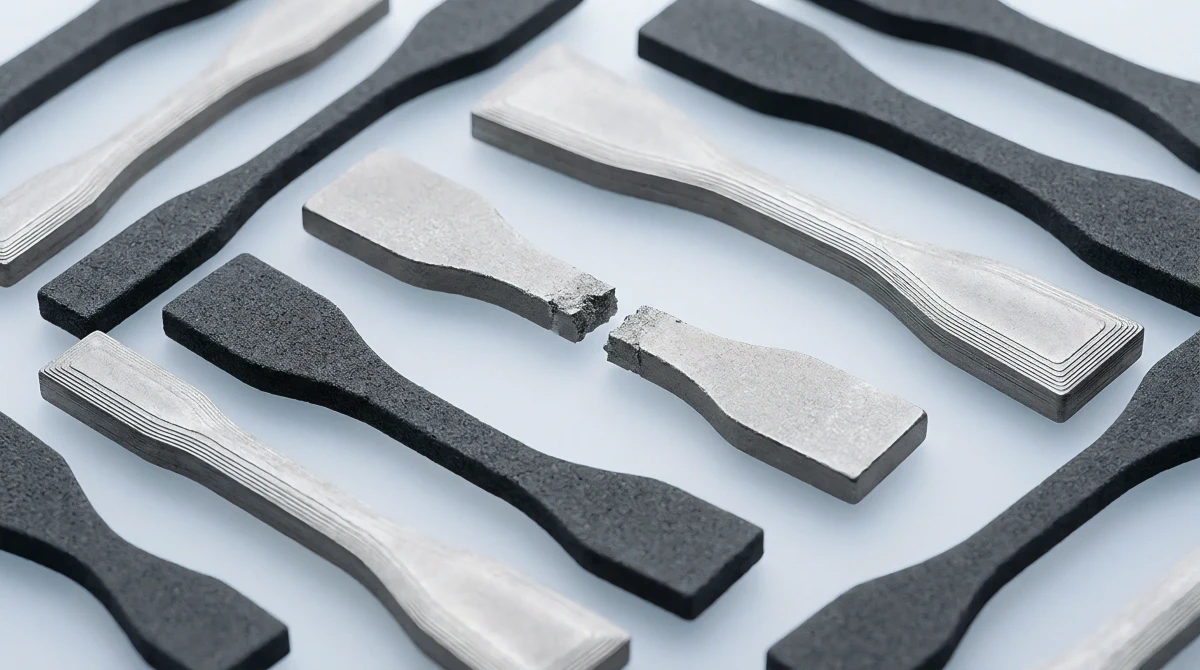
Clause 4.5.4 of ISO/ASTM 52901 covers acceptance of the final or reference part. In a series, that part can stay as the comparison for later lots. One part is retained and marked, and later lots are measured against it as well as against the drawing. Witness specimens printed beside each build add a property check for features that cannot be tested on the part.Lot Conditions
An order holds every lot to the same written conditions from the first to the last. It names the grade, parameter set, refresh ratio, orientation, post-processing and inspection stage once. Each later lot is then checked against the same lines. A changed supplier or machine appears as a change to a named line and not as an unexplained shift. For 316L, the same lines serve as a purchasing checklist for every lot.