Meaning
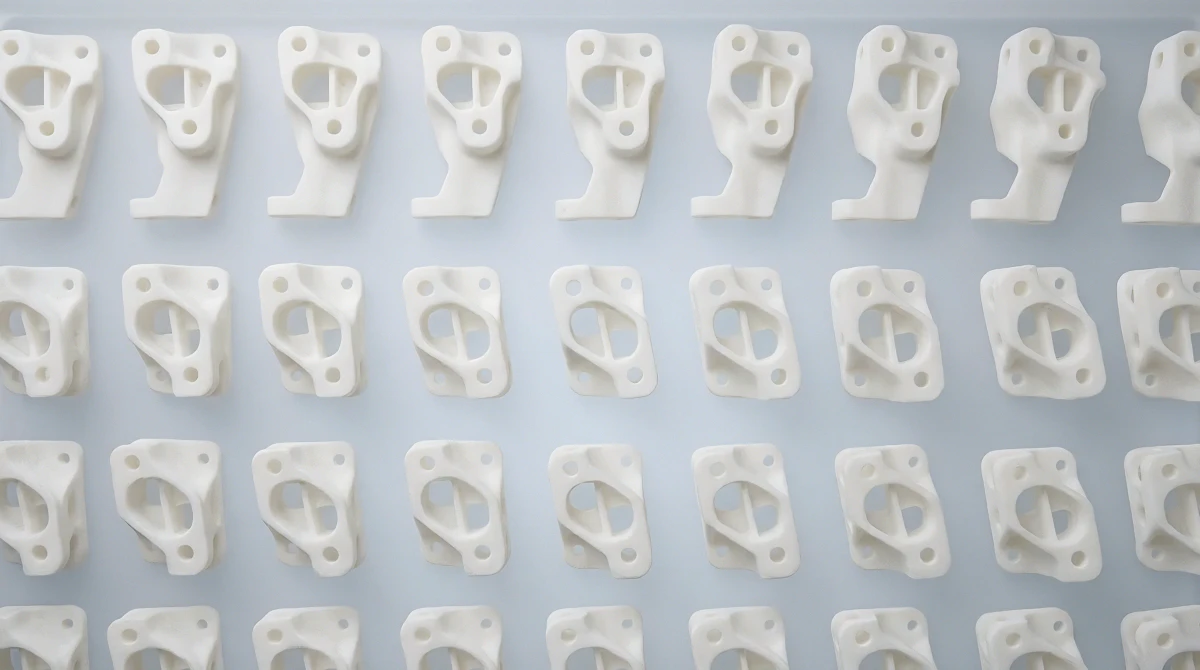
Process control information is the record of settings that make one build repeat another, from parameter set and feedstock to temperatures and times. ISO/ASTM 52901 names it as clause 4.3.9 of an order. A printed dimension or property depends on settings a drawing cannot show, so they are named in writing. A later change to a named setting then shows up as a change to the order. The settings that matter differ by process, and each family keeps its own record.Metal Settings
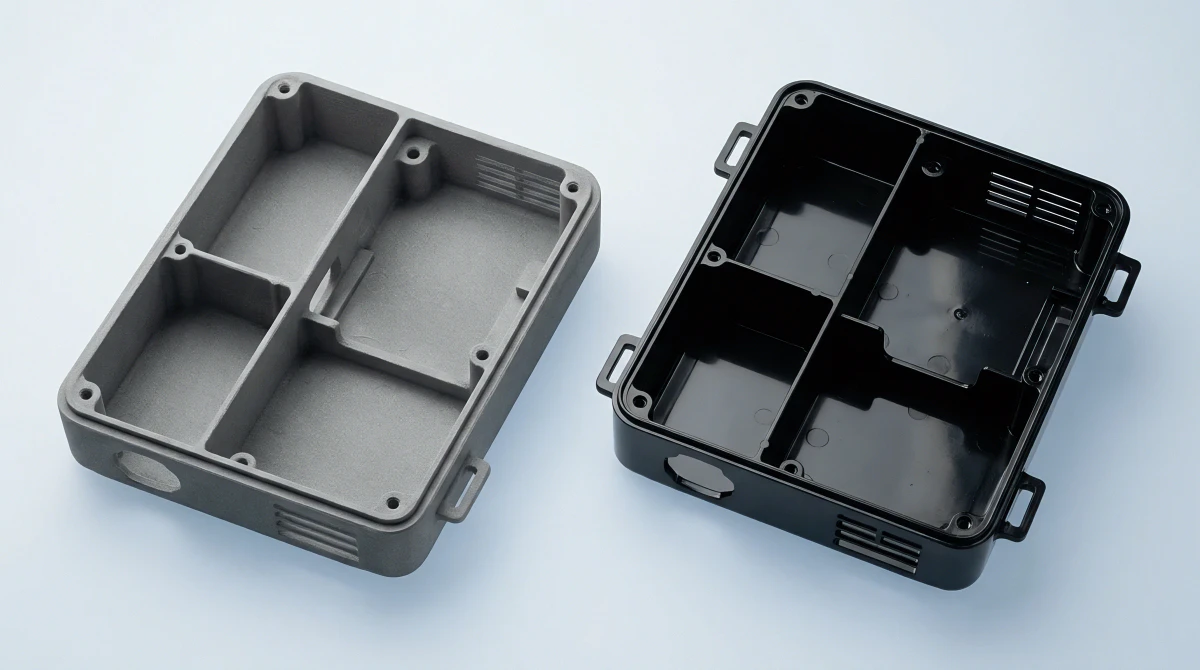
On metal powder bed fusion, the parameter set fixes layer thickness, volume rate and the change in size after heat treatment. In a 316L thin-wall study, a contour scan with a 50 µm (0.002 in) inward offset cut the wall error. The cut was roughly 40 to 45 %. A wall drawn 0.20 mm (0.008 in) thick printed 0.304 to 0.423 mm (0.012 to 0.017 in) thick between 260 and 620 W. None of that is visible on a drawing. The authors also warn that too large an offset risks lack of fusion between contour and hatch. The supplier holds those settings in its parameter set, and the order names the set.Read More
Powder Bed Records
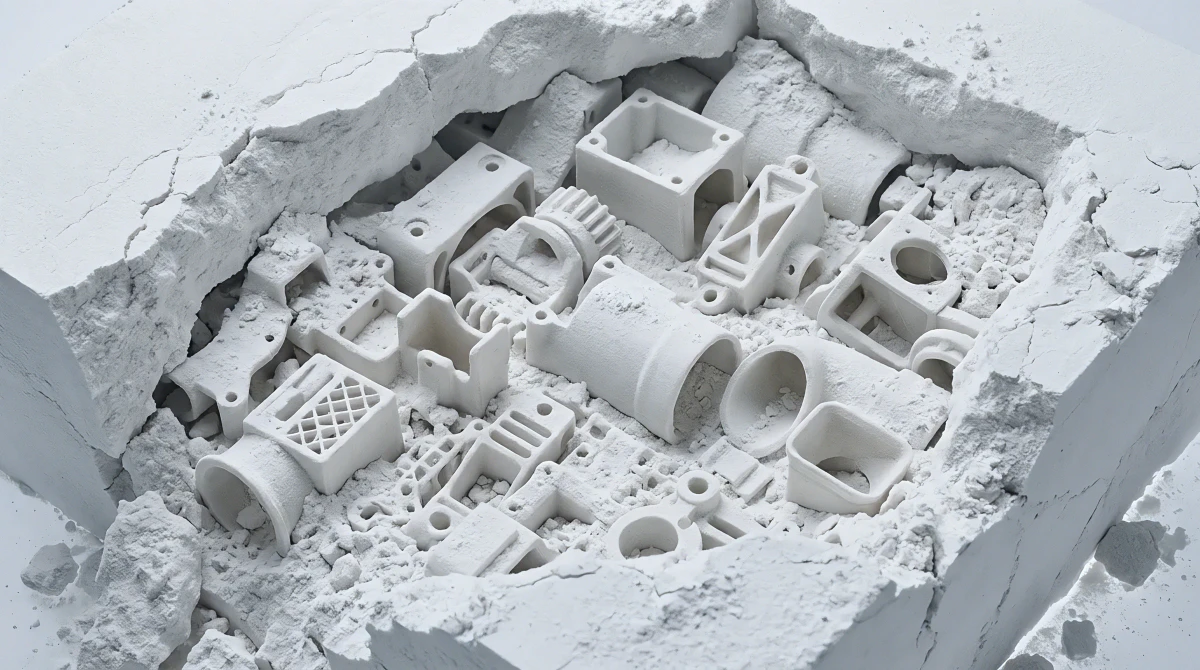
A nylon build’s record carries the refresh ratio, the unpacking temperature and the orientation of long parts. Formlabs found that parts unpacked at 100 °C (212 °F) warped about twice as much as parts unpacked at room temperature. HP gives a 20 % refresh rate as stable for High Reusability PA 12. The count of parts per build belongs under the process heading. The packing density and the refresh ratio belong under process control.Resin Records
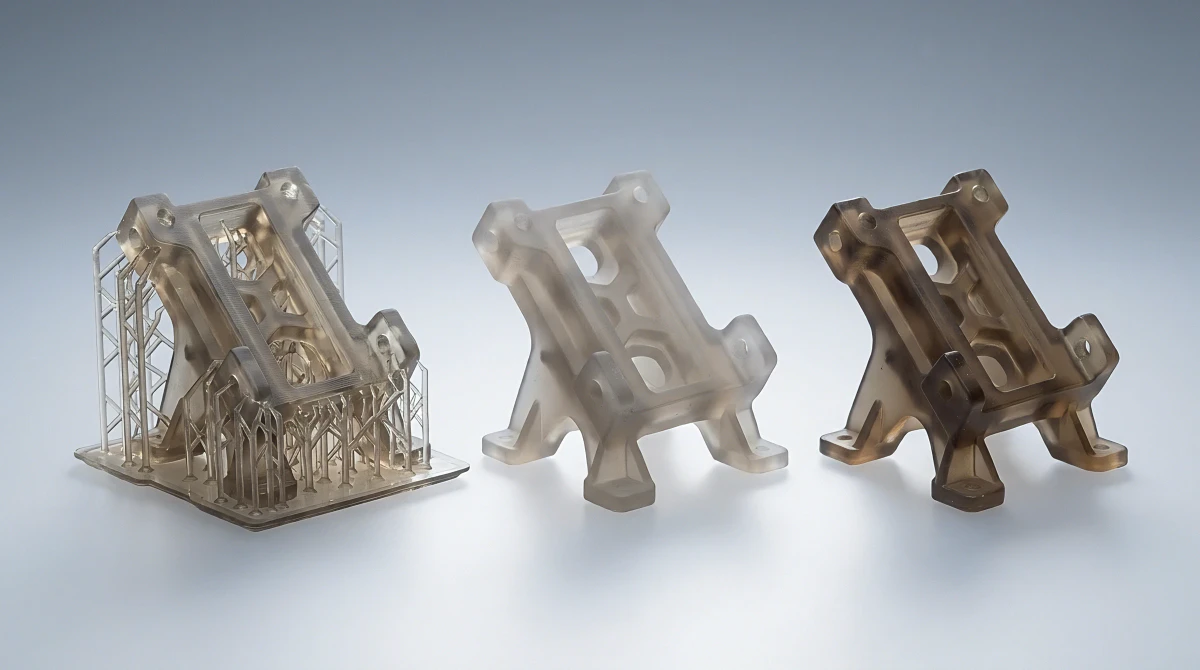
A resin part’s wash and cure record is process control information of the same kind. It holds the solvent and wash time, checked against the resin’s line on the maker’s page, and the resin load in the bath. It also holds the cure time and temperature against the datasheet, such as 12 minutes at 70 °C (158 °F) for Tough 2000 Resin V2. A different bath or oven in a second batch changes the part without changing the drawing.Heat and Plate Records
A metal part’s record shows heat treatment before the plate is cut, with the method named and not the temperature alone. EOS asks for 316L stress relief at 900 °C (1,652 °F) for at least 2 hours once the part is thoroughly heated. The quench has to be high enough in cooling rate to prevent chromium carbide precipitation. The plate step appears in the quote as a named operation with its method, outside any lump called finishing.Feedstock Records
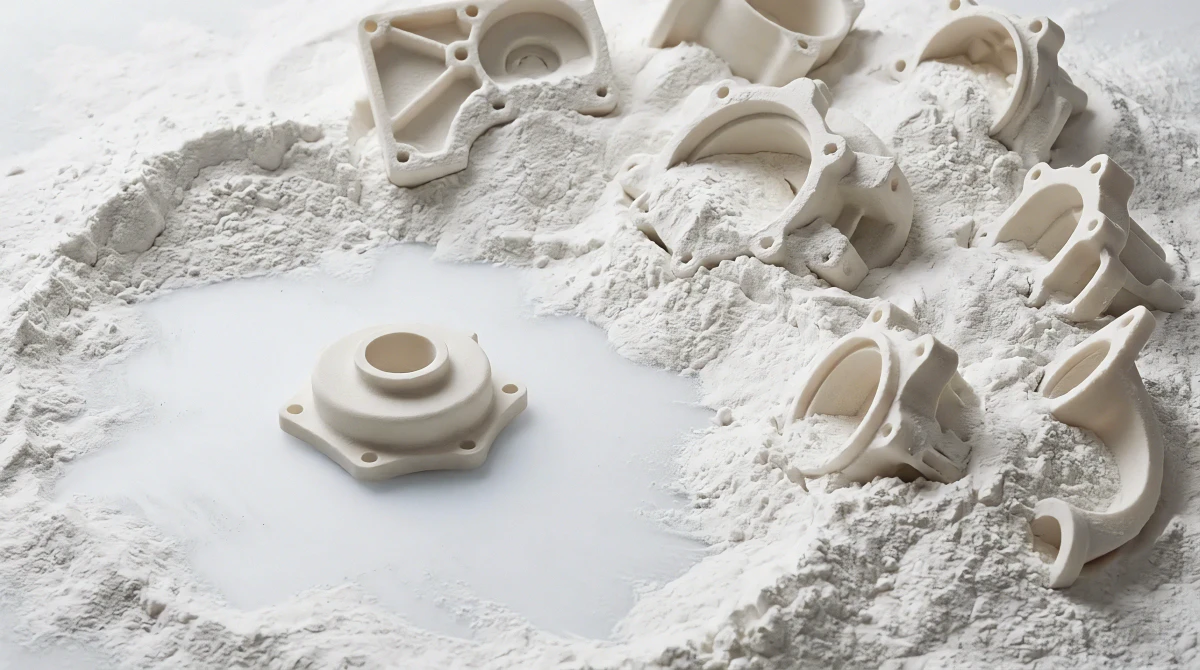
Feedstock is part of the record because it ages. HP’s glass bead sheet ages the powder in real printing conditions and tests parts from each generation. It calls that the worst case for reuse. It recommends 50 to 70 % relative humidity for its glass bead powder, since powder that takes up moisture behaves differently on the next build. On resin, the bath itself ages. Formlabs has seen tackiness above 5 % resin in isopropyl alcohol (IPA) for Draft Resin and above 10 % for Durable Resin V2. The count of parts through each bath therefore belongs in the log.Monitoring
Some machines record the build itself. The EOS M 290 brochure describes a camera that images the powder bed after each recoat and each exposure. It also lists continuous monitoring of z-axis position, laser power, scanner position, humidity, temperature and pressure. Feedstock records say what went into a build, process records say what happened during it and part tests say what came out. A buyer who accepts only the third cannot tell a controlled build from a lucky one. ISO/ASTM 52901 gives a written order places for the process, its control, post-processing, inspection and acceptance. A lead time quoted against those headings can be checked stage by stage. The same record lets a buyer place a repeat order on the same plan.