Stress Relief

Stress relief is a heat treatment that lowers the residual stress in a printed metal part before it is cut from its plate.

Every Stress Relief article of the 3D Printing Resources, newest first, each written from published standards, research and makers’ data.

Meaning

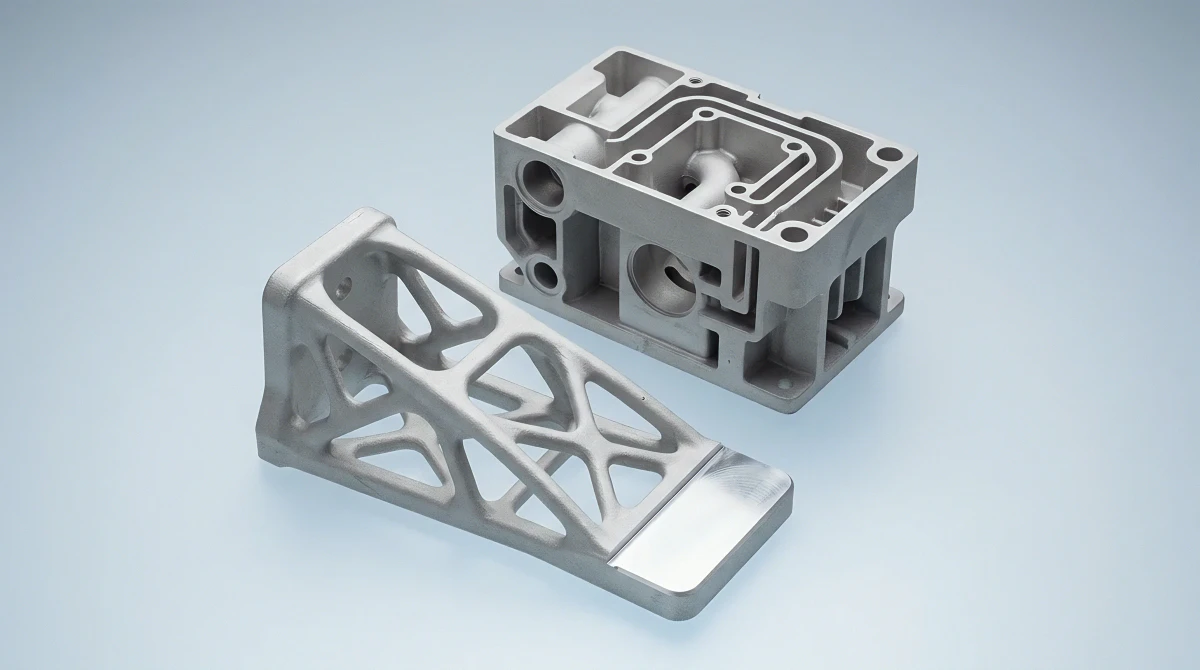
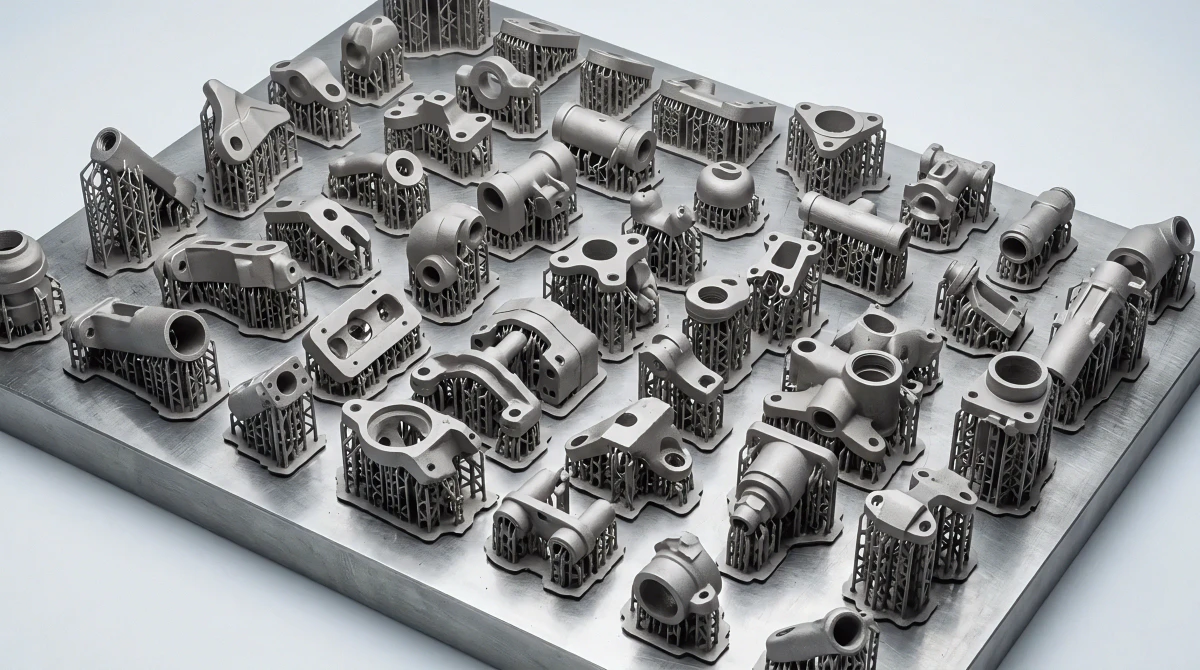
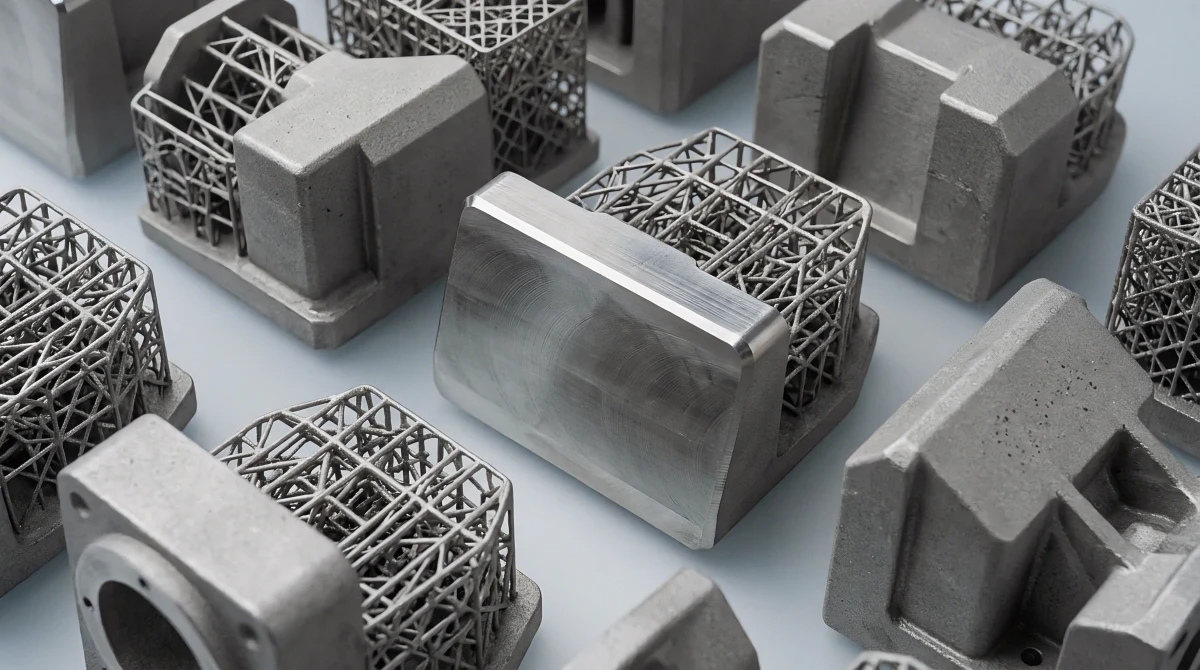
Stress relief is a heat treatment that lowers the residual stress in a printed metal part before it is cut from its plate. Laser powder bed fusion locks in stress layer by layer as each melt pool cools against contracting metal. The plate holds that stress in place until the part is cut free. Relieving it first lets the part leave the plate in the shape it was built in.

EOS 316L Schedule

EOS asks for at least 2 hours at 900 °C (1,652 °F) once the part is thoroughly heated. A quench in water or high-speed gas follows, at a cooling rate high enough to prevent chromium carbide precipitation. The older EOS sheet states that parts can be machined, shot-peened and polished as built or after stress relief to AMS 2759.
Read More

Mechanisms

Heat lowers the yield strength, so the stress relaxes by plastic yielding. As the temperature rises further, creep relaxes the stress over time as well. De Baere and co-authors collect earlier studies on this step. At 600 and 700 °C (1,112 and 1,292 °F), most of the stress was gone within 10 minutes. After 2 hours only a few percent remained. In the authors’ titanium model, long holds above 750 °C (1,382 °F) began to increase the tip deflection again.

Place in the Schedule

The 2-hour hold excludes the time for the furnace to reach and leave temperature, which the sheet does not state. A batch’s lead time therefore carries more furnace hours than the hold alone. Time and temperature are chosen together for the alloy, the geometry and the supports.

Out-of-Flat Failure

A part out of flat after it is cut from the plate points to stress that was not relieved first. An order names stress relief before plate removal, with the method and not the temperature alone. It states whether sizes apply before or after the treatment.
ASTM F3184 Specification for Powder Bed Fusion 316L Stainless Steel

ASTM F3184 fixes the chemistry, the thermal condition and the headings of a 316L order, and leaves the real property, density and inspection requirements for the buyer to write.

What ASTM F3184 Covers and Who It BindsASTM F3184, Standard Specification for Additive Manufacturing Stainless Steel Alloy (UNS S31603) with Powder Bed Fusion, is held by ASTM Committee F42 on additive manufacturing and printed in volume 10.04 of the Annual Book of ASTM Standards. The current edition is F3184-16, reapproved in 2023.

AlSi10Mg Aluminum Properties in Laser Powder Bed Fusion

Printed AlSi10Mg is stronger than the cast alloy as built, and the heat treatment named on the order decides how much strength is traded for ductility or conductivity.

AlSi10Mg Tensile and Yield Strength by Heat TreatmentThe first answer a buyer needs is the strength in each state the material is delivered in. Two makers publish it for their own systems and parameters, and their numbers are close enough to read together and different enough to show why the state and the source both travel with a figure.

How Long a Batch of 3D Printed Parts Takes From Print to Pack-Out

A printed batch runs on four clocks, build, cooldown, finishing and inspection, and a stated lead time should show each.

Lead Time for a 3D Printed Batch Stage by StageThe calendar of a batch has the same skeleton in every process. Files are prepared and nested, the machine builds, the work cools or cures, parts are separated from what held them, and finishing and inspection follow.

Metal 3D Printing Stress Relief and Build Plate Removal Step by Step

Stress relieve metal parts on the plate, then cut, remove supports, anneal if needed and measure after the heat.

Metal Powder Bed Fusion Post-Build Steps in OrderThe post-build sequence for a part built on a plate has a stable shape across machine makers, because the stresses behave the same way. The sources agree on the order; they differ in how much of the detail they publish.

316L Stainless Steel Properties in Laser Powder Bed Fusion

Printed stainless steel is stronger along the layers and more ductile across them, and its size and finish depend on the parameter set and the heat treatment you name.

What 316L Is in a Laser Powder Bed Machine316L is a molybdenum-alloyed austenitic stainless steel. EOS markets its powder as a marine-grade steel with enhanced corrosion resistance in chloride environments, and it lists high ductility, high strength and high corrosion resistance as the main characteristics.

Send the 3D File of Your Printed Part

Send the 2D drawing and the 3D file, with the quantity and the stage of the project. An engineer replies within 1 working day.

The quote form, the mutual NDA and the private folder for your files are on Protolis Atelier, with 3D Printing chosen.

Request a Quote