Particle Size Distribution

Particle size distribution is the range of particle sizes in a powder feedstock, stated by the maker as a lower and an upper size.

Every Particle Size Distribution article of the 3D Printing Resources, newest first, each written from published standards, research and makers’ data.

Meaning

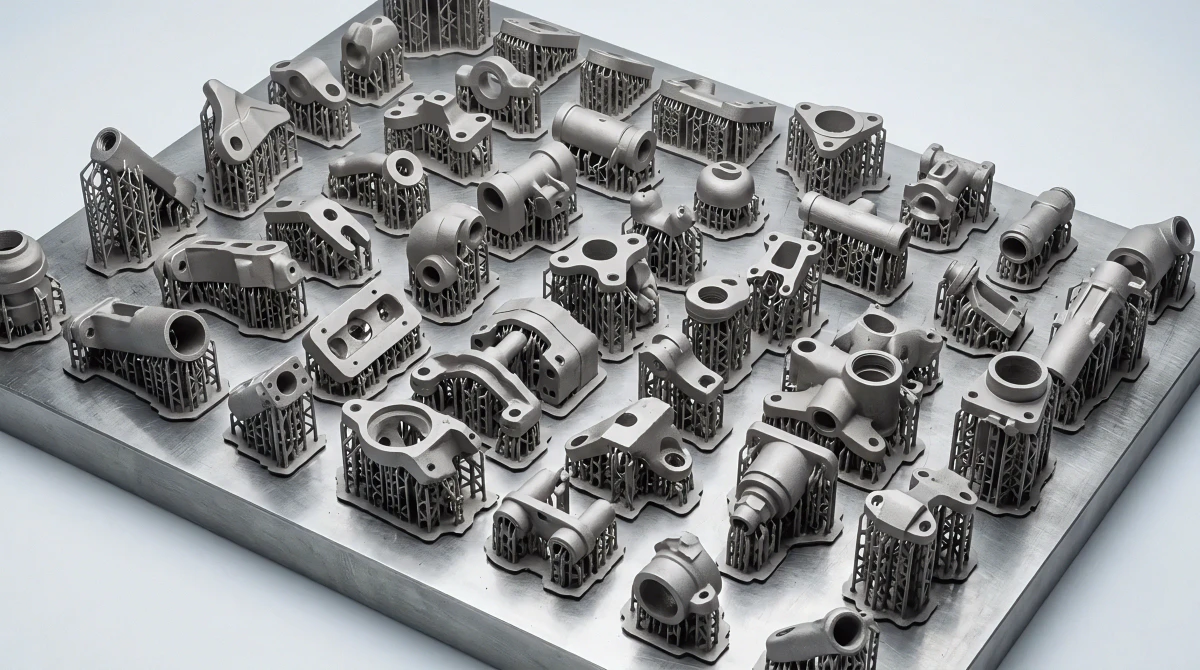
Particle size distribution is the range of particle sizes in a powder feedstock, stated by the maker as a lower and an upper size. EOS gives 20 to 65 µm (0.0008 to 0.0026 in) for its 316L powder and calls for a 63 µm (0.0025 in) sieve. ISO/ASTM 52927 places it within testing the feedstock. It bounds the layer thicknesses a powder can serve.

Layer Relation

The coarsest 316L particles are about as thick as a 40 to 80 µm layer and 3 times a 20 µm layer. The EOS sheet does not say how the distribution is matched to each layer thickness. The sieve and the distribution are facts a buyer can ask about, and the matching is not published.
Read More

Other Powders

HP gives a particle size of 60 µm (0.0024 in) for High Reusability PA 12 and 58 µm (0.0023 in) for its glass bead grade. A 316L thin-wall study used gas-atomized powder of 15 to 45 µm (0.0006 to 0.0018 in), with an average of 30 µm. Each figure belongs to its own powder and process.

Feedstock Record

A feedstock record shows what entered a build. For metal, EOS prints the chemical composition range and the size distribution, with the sieve on the process line. A buyer who has those records can compare lots even where a part cannot be tested without destroying it.

Powder Record

An order names the powder product and its sieve, and asks for the feedstock record with each lot under ISO/ASTM 52901, clause 4.3.6.
AlSi10Mg Aluminum Properties in Laser Powder Bed Fusion

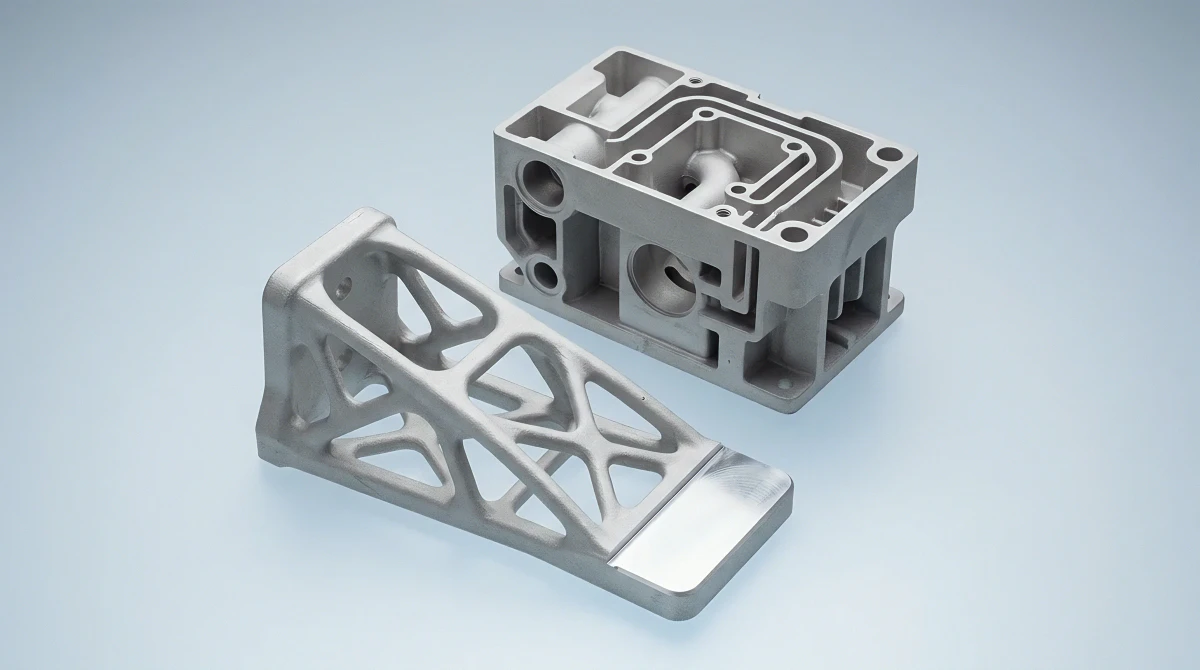
Printed AlSi10Mg is stronger than the cast alloy as built, and the heat treatment named on the order decides how much strength is traded for ductility or conductivity.

AlSi10Mg Tensile and Yield Strength by Heat TreatmentThe first answer a buyer needs is the strength in each state the material is delivered in. Two makers publish it for their own systems and parameters, and their numbers are close enough to read together and different enough to show why the state and the source both travel with a figure.

Metal 3D Printing Stress Relief and Build Plate Removal Step by Step

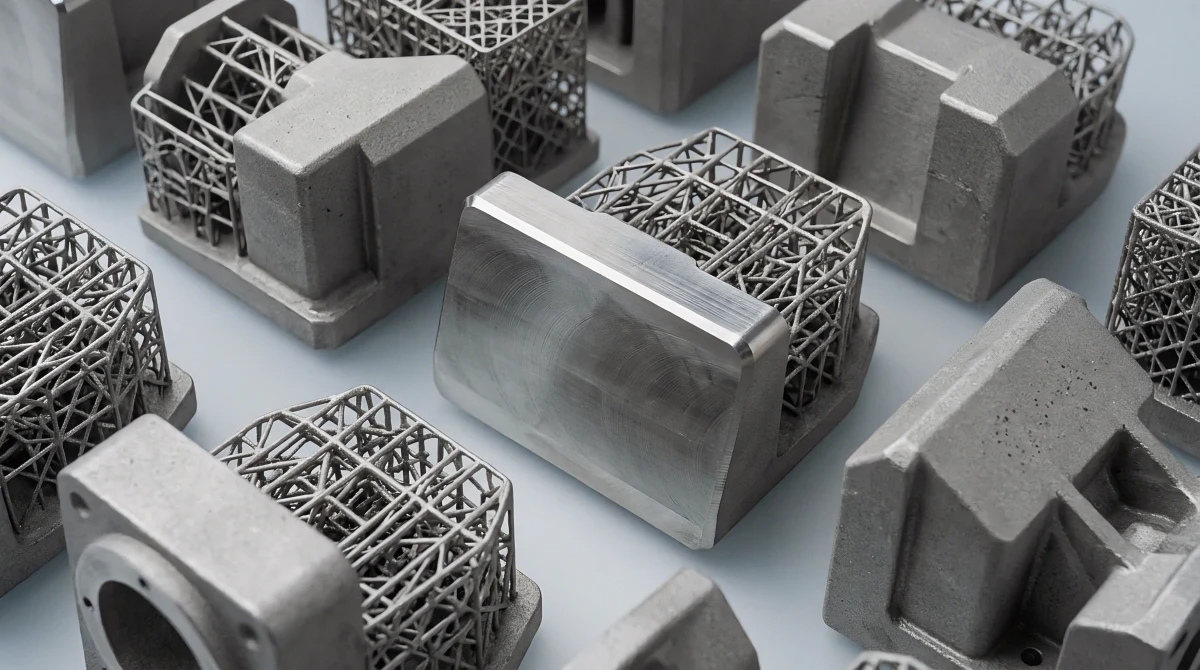
Stress relieve metal parts on the plate, then cut, remove supports, anneal if needed and measure after the heat.

Metal Powder Bed Fusion Post-Build Steps in OrderThe post-build sequence for a part built on a plate has a stable shape across machine makers, because the stresses behave the same way. The sources agree on the order; they differ in how much of the detail they publish.

ISO/ASTM 52927 Main Characteristics and Test Methods for AM Parts

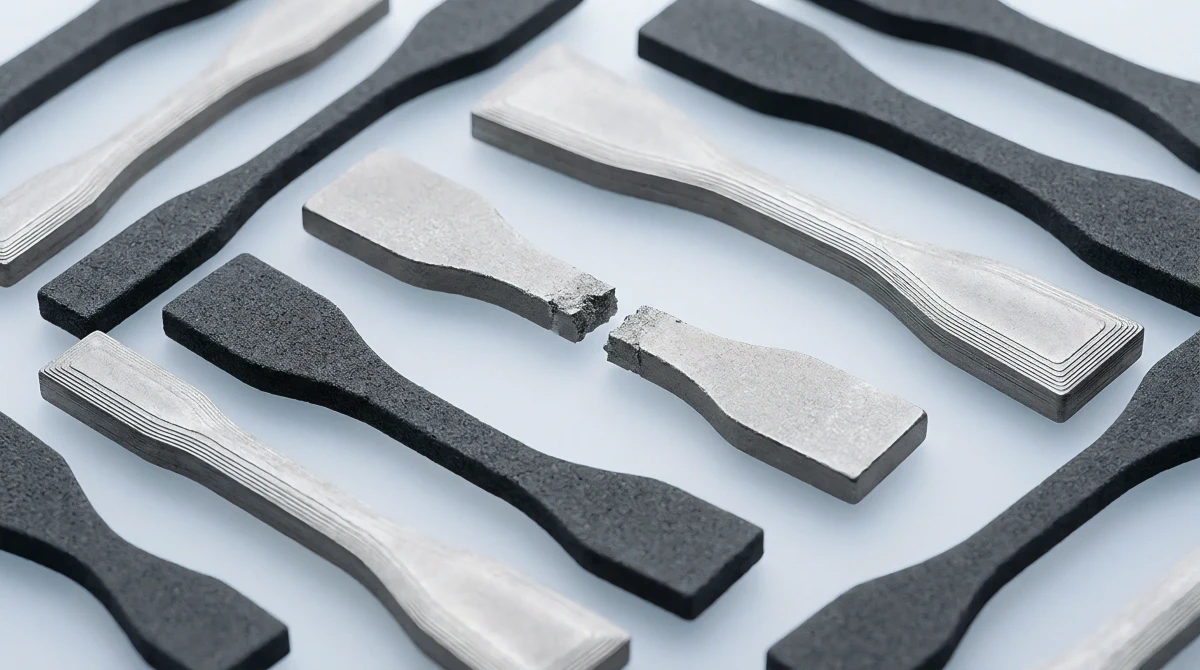
The test methods standard links the characteristics of additive feedstock and parts to test procedures, and a buyer fixes the method, specimen, orientation and statistical basis in the order.

What ISO/ASTM 52927 Covers and Who It Is ForThe scope states that the document specifies the principal requirements applied to the testing of parts produced by additive manufacturing processes. It does three things.

316L Stainless Steel Properties in Laser Powder Bed Fusion

Printed stainless steel is stronger along the layers and more ductile across them, and its size and finish depend on the parameter set and the heat treatment you name.

What 316L Is in a Laser Powder Bed Machine316L is a molybdenum-alloyed austenitic stainless steel. EOS markets its powder as a marine-grade steel with enhanced corrosion resistance in chloride environments, and it lists high ductility, high strength and high corrosion resistance as the main characteristics.

Send the 3D File of Your Printed Part

Send the 2D drawing and the 3D file, with the quantity and the stage of the project. An engineer replies within 1 working day.

The quote form, the mutual NDA and the private folder for your files are on Protolis Atelier, with 3D Printing chosen.

Request a Quote