Heat Deflection Temperature

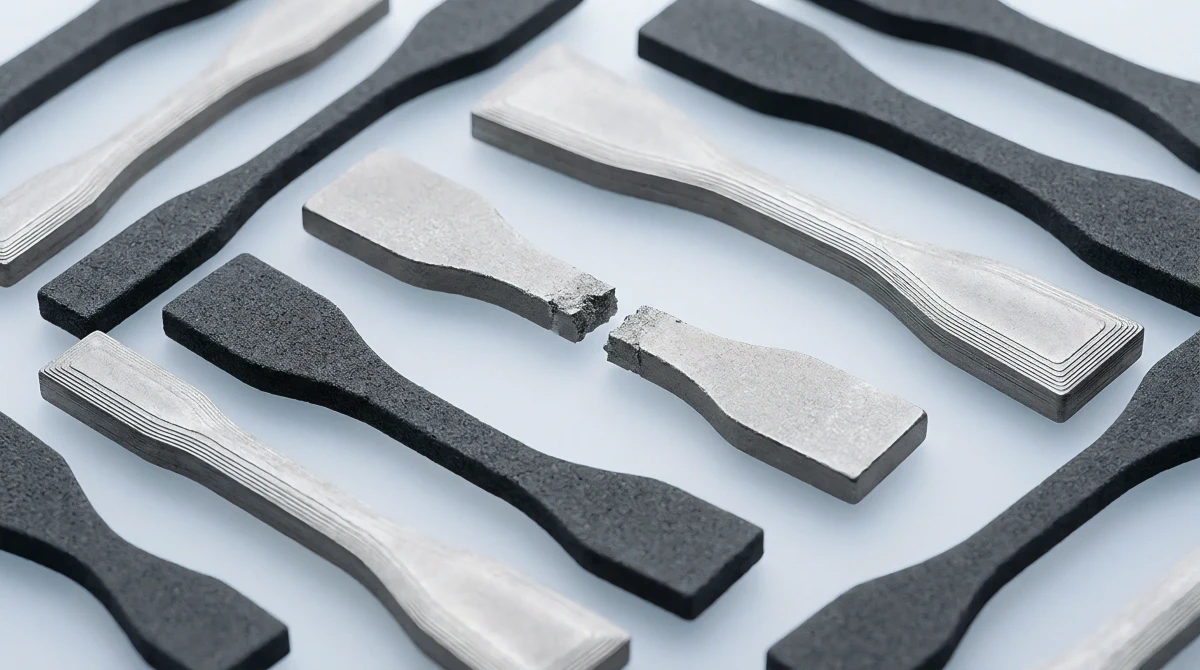
Heat deflection temperature (HDT) is the temperature at which a test bar under a set load deflects, measured to ISO 75 or ASTM D648.

Every Heat Deflection Temperature article of the 3D Printing Resources, newest first, each written from published standards, research and makers’ data.

Meaning

Heat deflection temperature (HDT) is the temperature at which a test bar under a set load deflects, measured to ISO 75 or ASTM D648. Datasheets give it at two loads, a light one near 0.45 MPa (65 psi) and a heavier one near 1.8 MPa (261 psi). The heavier load is closer to a bracket carrying a real weight. A part is read against the load it actually carries.

Test Loads

EOS tests at 1.80 MPa under ISO 75, and HP tests at 1.82 MPa (264 psi) under ASTM D648. Stratasys uses 0.46 and 1.81 MPa for Somos EvoLVe 128. EOS reports 64 °C (147 °F) for PA 2200 in X, and HP reports 95 °C (203 °F) for High Reusability PA 12 in Z. The loads differ by 0.02 MPa and the results by 31 °C (56 °F), so the comparison is of procedures as well as powders.
Read More

Nylon Values

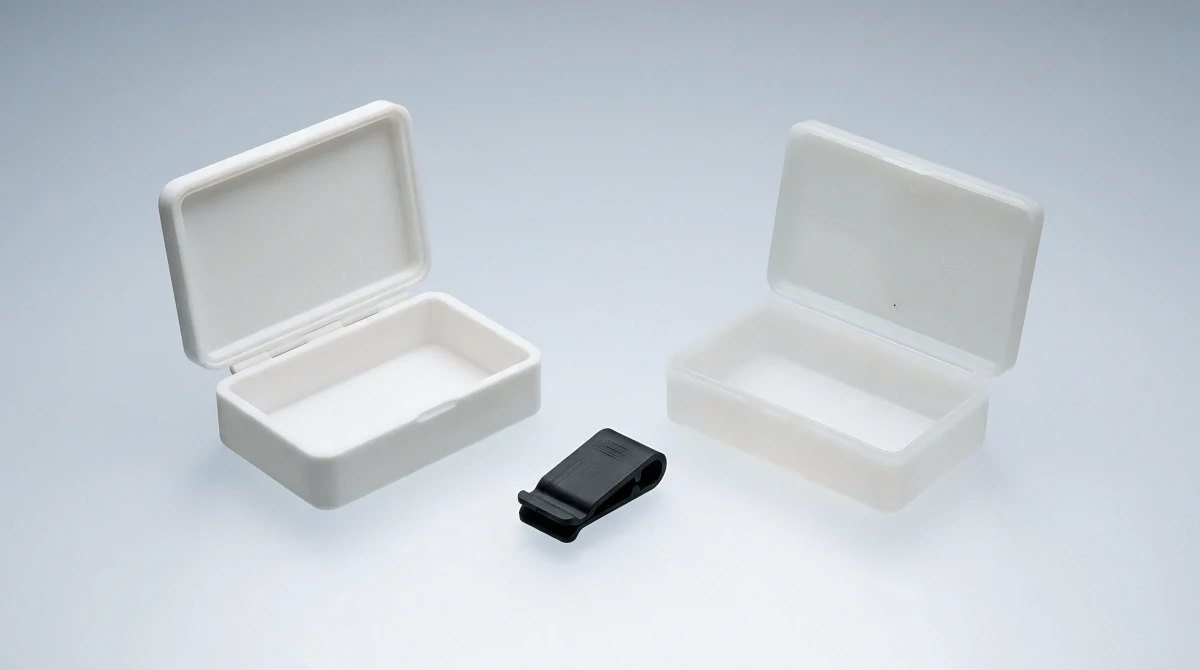
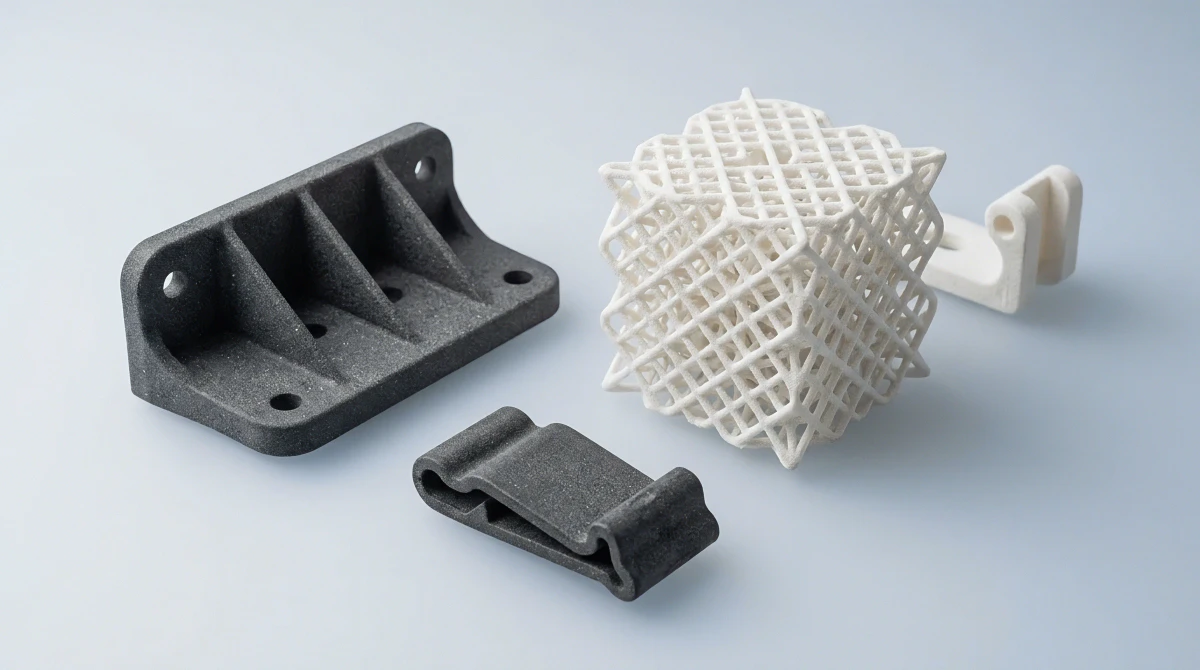
At 0.45 MPa, PA 2200 holds 157 °C (315 °F) in X and 145 °C (293 °F) in Z. At 1.8 MPa it holds 64 °C in X and 57 °C (135 °F) in Z. HR PA 12 gives 175 °C (347 °F) and 95 °C in Z at the two loads. The glass bead grade gives 114 to 120 °C (237 to 248 °F) at 1.82 MPa. The filler adds 19 to 25 °C (34 to 45 °F).

Resin Values

Loaded HDT at 1.8 MPa sits between 49.6 and 57 °C (121 and 135 °F) on the 4 tough resins compared. Tough 2000 Resin V2 gives 70 °C (158 °F) at 0.45 MPa, which Formlabs places 10 to 20 °C below extruded ABS. Accura 25 gives 58 to 63 °C (136 to 145 °F) at the light load. A housing near a motor can reach those levels and then deflect under its own load.

Load Basis

An order reads the HDT row at the load the part carries. A bracket at 1.8 MPa in PA 2200 is a 64 °C part, not a 157 °C part. It names the test method and the cure or build condition, since resin figures hold only after the stated post-cure.
SLA Wash and Post-Cure Step by Step From Green Part to Finished Resin Part

Wash each resin for its own time, dry it fully, cure to the datasheet condition, then remove supports and measure.

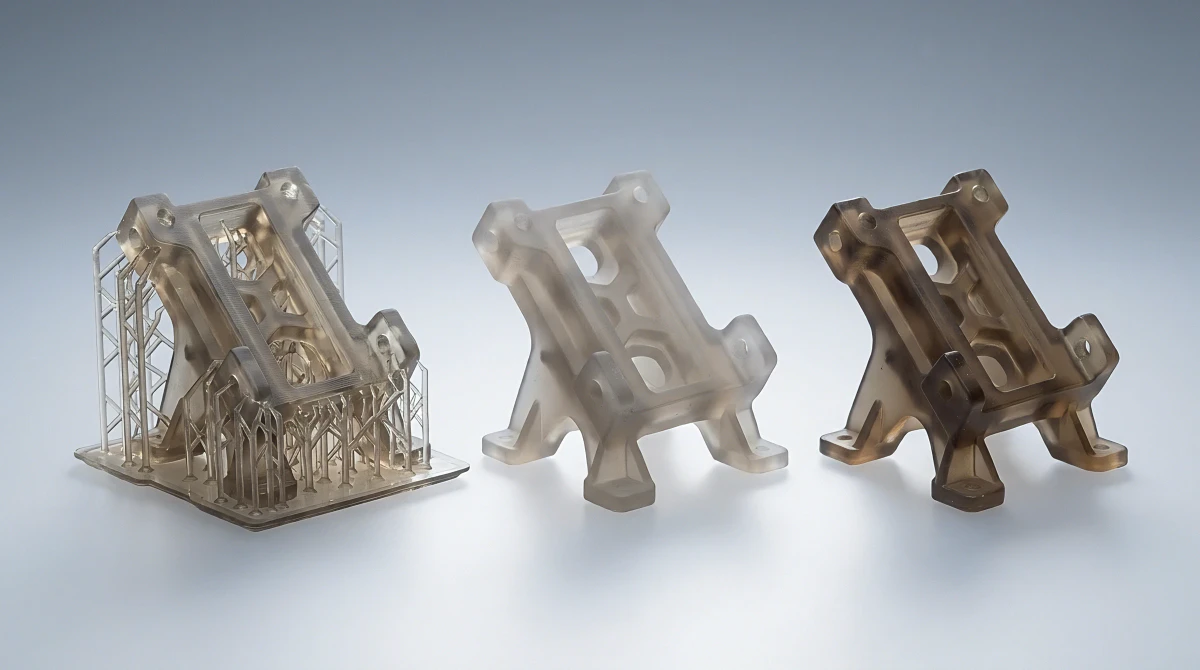
SLA Wash, Dry, Cure and Support Removal in OrderThe part leaves the printer in a green state: polymerized enough to keep its shape, but with its reaction unfinished and a film of liquid resin over it. The order in which the finishing steps run is set by what each one needs from the one before.

ISO/ASTM 52927 Main Characteristics and Test Methods for AM Parts

The test methods standard links the characteristics of additive feedstock and parts to test procedures, and a buyer fixes the method, specimen, orientation and statistical basis in the order.

What ISO/ASTM 52927 Covers and Who It Is ForThe scope states that the document specifies the principal requirements applied to the testing of parts produced by additive manufacturing processes. It does three things.

Tough SLA Resins as Stand-Ins for ABS and Polypropylene

Tough SLA resins match ABS on stiffness and strength but not on fracture energy or heat, so a part needs the row that governs its duty.

What a Tough SLA Resin Is Meant to ReplaceA tough SLA resin is a photopolymer that cures under ultraviolet light into a solid that bends before it breaks. Its makers aim it at the parts where earlier SLA resins cracked: snap fits, hinges, housings that are dropped and jigs that get clamped.

PA12 Nylon Properties for SLS and MJF Parts

Powder-bed nylon parts stretch far less along the build axis than in the layer plane, so a drawing needs a build direction, a grade and the test method.

What PA12 Powder Gives a Printed PartPolyamide 12 is the base polymer of the most common powders for laser sintering and for HP Multi Jet Fusion. EOS describes PA 2200, its PA12 powder, as a balanced property profile and "the most proven material on the market" for its machines.

Send the 3D File of Your Printed Part

Send the 2D drawing and the 3D file, with the quantity and the stage of the project. An engineer replies within 1 working day.

The quote form, the mutual NDA and the private folder for your files are on Protolis Atelier, with 3D Printing chosen.

Request a Quote