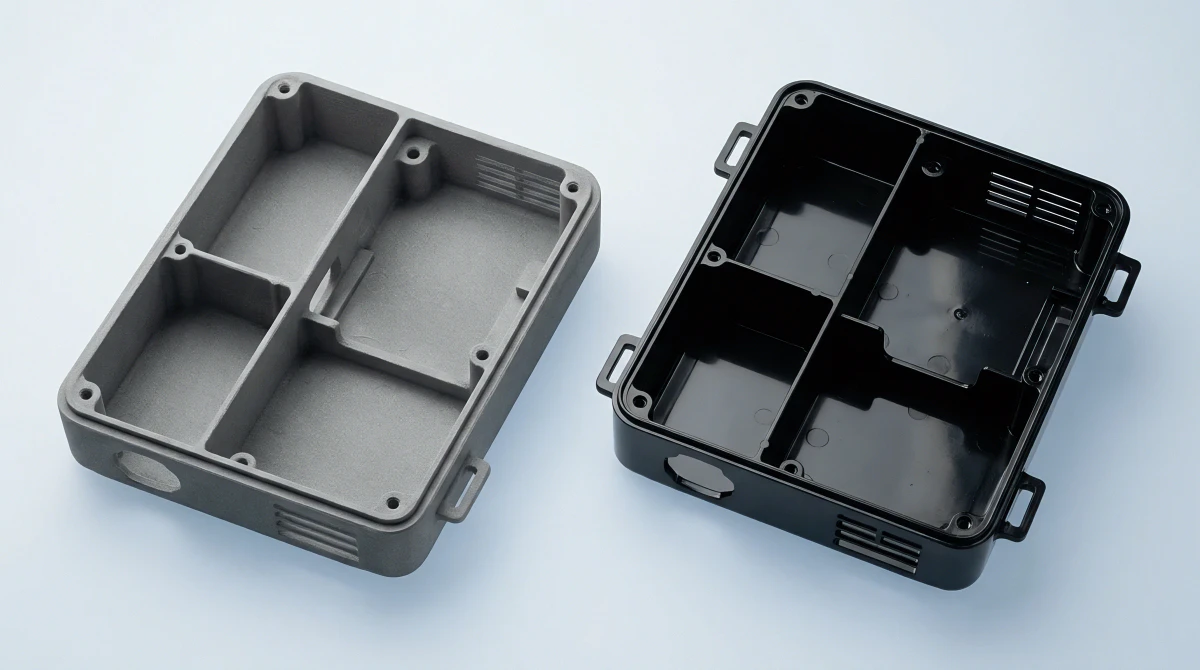
Unpacking Temperature

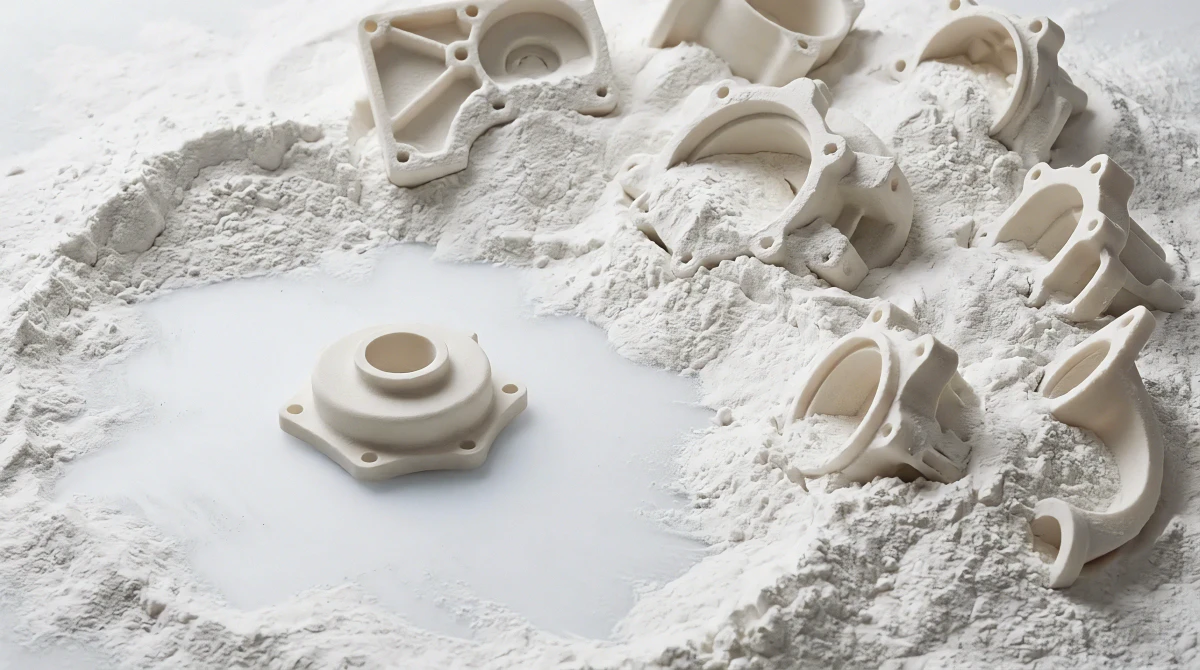
Unpacking temperature is the temperature a powder bed chamber has cooled to when its cake is broken open and the parts are removed.

Every Unpacking Temperature article of the 3D Printing Resources, newest first, each written from published standards, research and makers’ data.

Meaning

Unpacking temperature is the temperature a powder bed chamber has cooled to when its cake is broken open and the parts are removed. Formlabs sets it as the end of the cooldown, in place of a number of hours. Its ideal is 50 °C (122 °F), and 50 to 70 °C (122 to 158 °F) at the least. The Fuse Sift displays the chamber temperature and raises a warning above 70 °C.

Formlabs Test

Formlabs ran identical nylon 12 builds on a Fuse 1+ 30W with the chamber packed to 15 % with mixed parts. Chambers came out at temperatures from 100 °C (212 °F) down to 25 °C (77 °F) and cooled outside the printer. Parts from every corner were measured for warpage. Parts unpacked at 100 °C warped about twice as much as those at room temperature.
Read More

Results

Above 70 °C the warping was consistent. At 50 °C the parts were not significantly worse than the room-temperature set. At 25 °C they were the most consistently accurate. Outer-corner parts and long, thin parts printed along Z showed a shortfall first, so Formlabs advises leaving those in the printer until 50 °C.

Measurement

Because unpacking temperature changes warp, a nylon part is measured after unpacking at the agreed temperature. Features sensitive to warp, such as long flat faces and thin walls, earn every-part inspection. A shop that prints sensitive parts often finds its own threshold by test, since it shifts with packing density, material and geometry.

Temperature Ceiling

The order states the ceiling as a figure in degrees Celsius. It belongs with the process control information under ISO/ASTM 52901. That figure separates a supplier who unpacks by temperature from one who unpacks by the clock.

Inspecting a 3D Printed Production Run and When a Mold Takes Over

Accept the first printed part against written limits, keep the record, and weigh a mold by identical quantity and design stability.

How a Printed Production Run Is Inspected and AcceptedISO/ASTM 52901:2017, titled requirements for purchased AM parts, gives the frame. Its scope says it covers the elements to be exchanged between customer and part provider at the time of the order: customer order information, part definition data, feedstock requirements, final part characteristics and properties, inspection requirements and part acceptance methods.
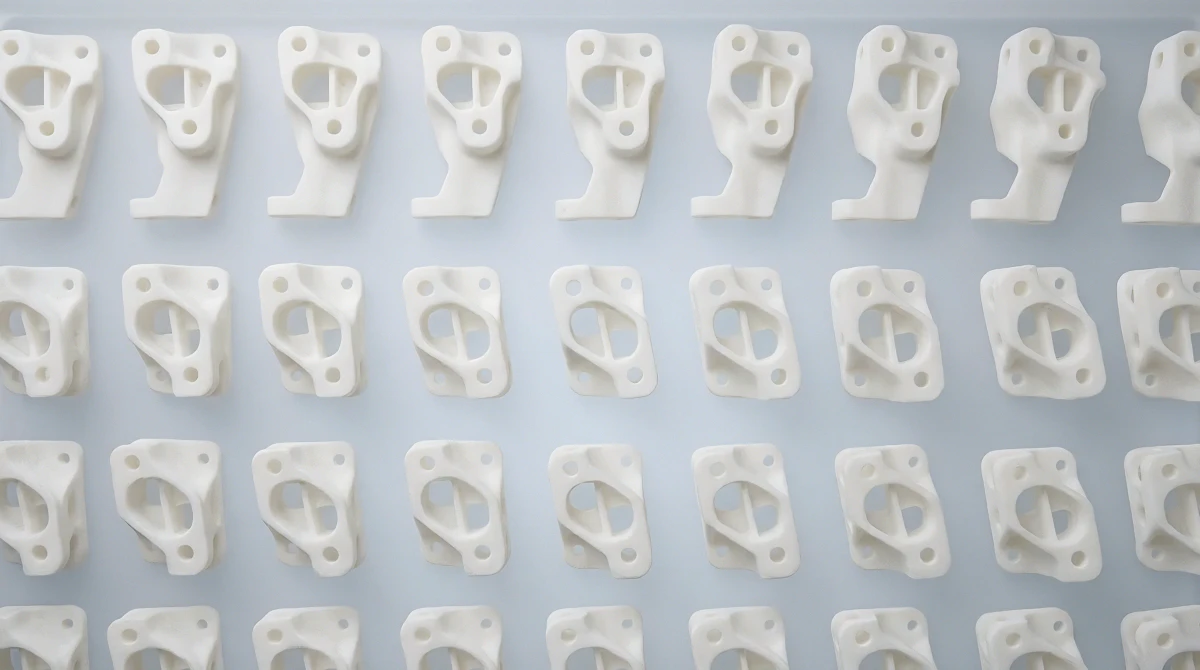
How Long a Batch of 3D Printed Parts Takes From Print to Pack-Out

A printed batch runs on four clocks, build, cooldown, finishing and inspection, and a stated lead time should show each.

Lead Time for a 3D Printed Batch Stage by StageThe calendar of a batch has the same skeleton in every process. Files are prepared and nested, the machine builds, the work cools or cures, parts are separated from what held them, and finishing and inspection follow.

Send the 3D File of Your Printed Part

Send the 2D drawing and the 3D file, with the quantity and the stage of the project. An engineer replies within 1 working day.

The quote form, the mutual NDA and the private folder for your files are on Protolis Atelier, with 3D Printing chosen.

Request a Quote