Polishing

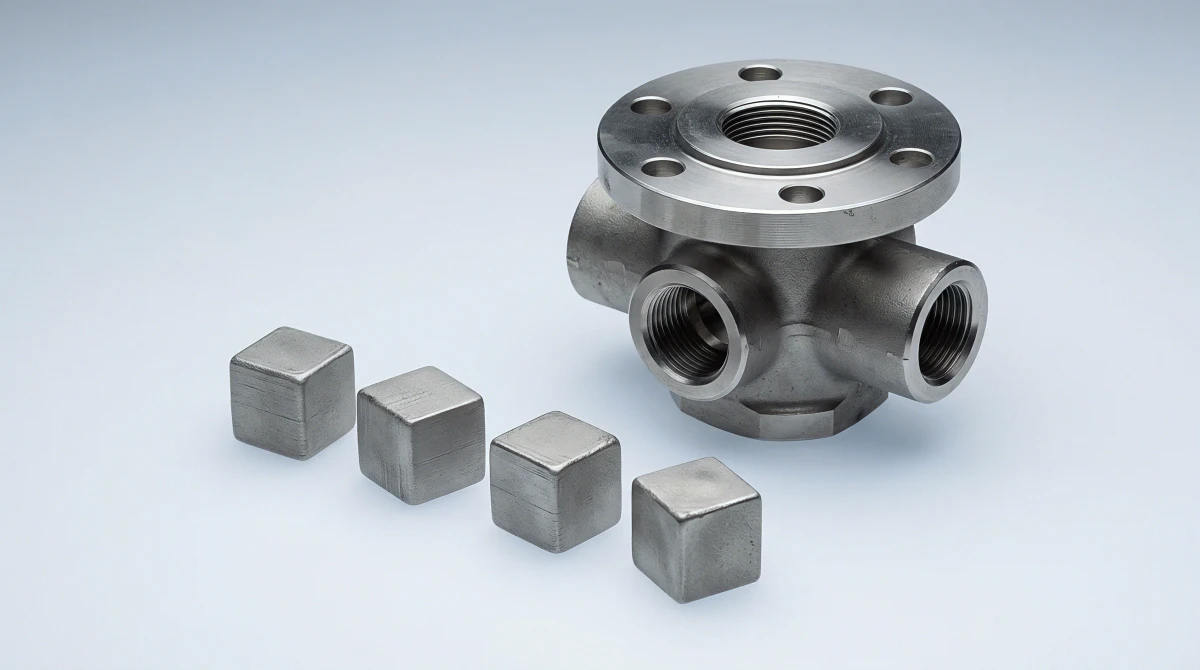
Polishing is a finishing step that removes or reflows the peaks of a printed surface to bring its roughness well below the as-built value.

Every Polishing article of the 3D Printing Resources, newest first, each written from published standards, research and makers’ data.

Meaning

Polishing is a finishing step that removes or reflows the peaks of a printed surface to bring its roughness well below the as-built value. On metal parts it is mechanical, usually after blasting or shot peening; on polymer parts it can be done by laser, by remelting a thin surface layer.

Metal Parts

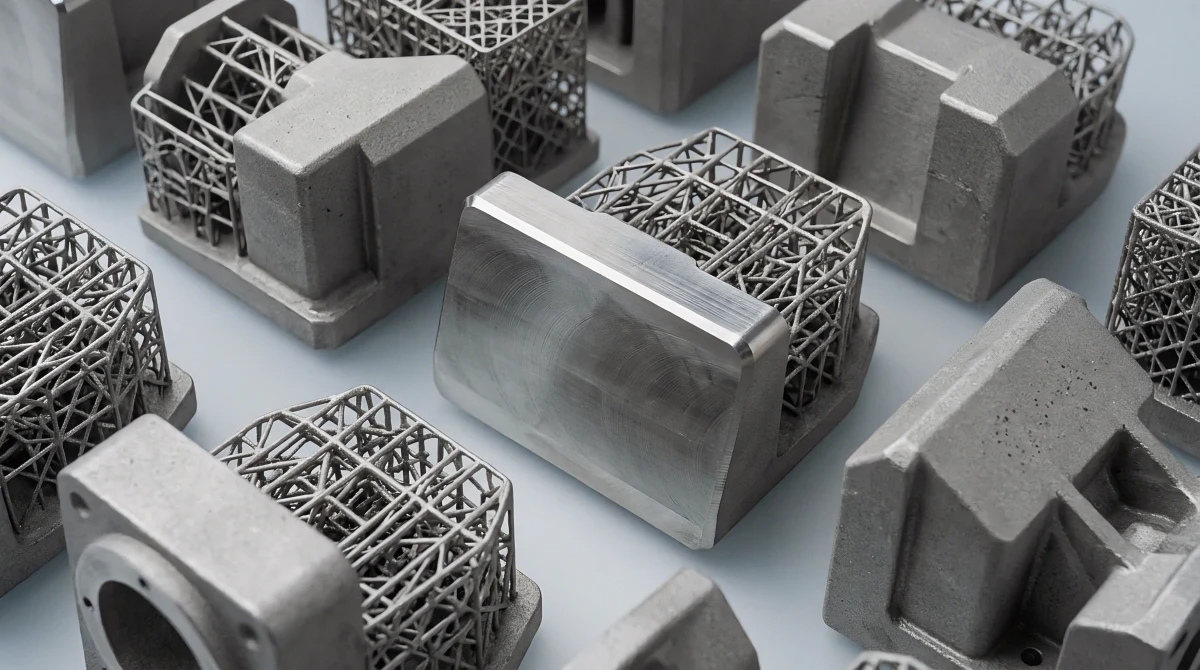
ASTM F3184, the specification for powder bed fusion 316L, states in its scope that parts made to it are often post processed by machining, grinding, electrical discharge machining or polishing to reach surface finish and critical dimensions. A 316L datasheet gives Ra 13 ± 5 µm (512 µin) as manufactured, Ra 5 ± 2 µm after shot peening and Rz below 1 µm after polishing, and notes that sloping and curved surfaces show a stair-step effect.
Read More

Laser Polishing of Polymers

A study in Lasers in Manufacturing and Materials Processing polished HP Multi Jet Fusion PA 12 with a 30 W CO2 laser and a line focus, after drying the plates at 80 °C (176 °F) for at least 2 hours. Ra fell from 6.4 ± 0.3 µm (252 µin) to 0.6 ± 0.1 µm (24 µin), a reduction of up to 91 %, in an interaction time of 1.4 seconds, with a remelted depth of 100 to 400 µm (0.004 to 0.016 in). Hardness stayed at 73 Shore D, tensile strength fell slightly, and the water contact angle dropped from 84° to 59°.

Against Other Finishes

The same study cites chemically vapor-smoothed surfaces at minimum values of Ra 0.78 µm or Sa 1.4 µm, slightly rougher than its best laser result. Unlike blasting, tumbling or vapor smoothing, laser polishing uses no consumables and can be limited to one face, leaving edges and details sharp.

Drawing Callout

Polishing is specified per face, with the roughness parameter and its value after polishing, so a sliding or sealing face can be finished while the rest of the part stays as printed.
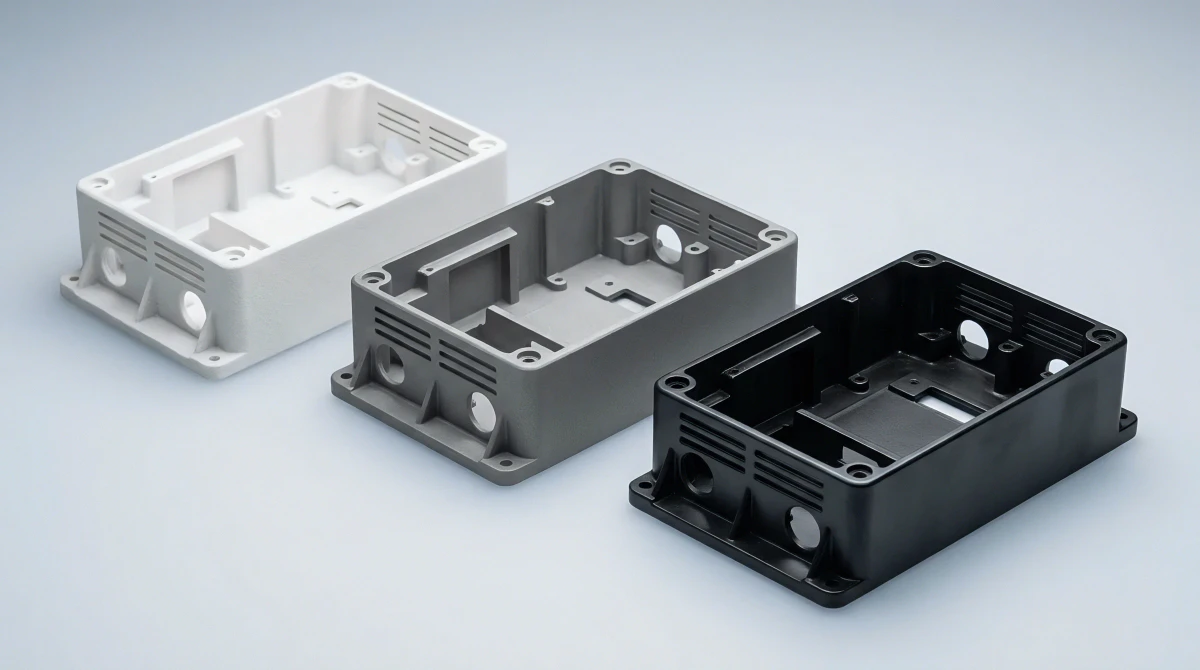
Vapor Smoothing and Bead Blasting SLS Nylon Parts

Powder bed nylon is always bead blasted clean, then optionally shot surfaced for feel and color or vapor smoothed for a sealed glossy skin, and the order names the steps and the faces.

The Finishing Sequence for Powder Bed NylonThe DyeMansion test that opens this piece ran every part through the same steps, and its table of settings is the clearest published version of the sequence.

ASTM F3184 Specification for Powder Bed Fusion 316L Stainless Steel

ASTM F3184 fixes the chemistry, the thermal condition and the headings of a 316L order, and leaves the real property, density and inspection requirements for the buyer to write.

What ASTM F3184 Covers and Who It BindsASTM F3184, Standard Specification for Additive Manufacturing Stainless Steel Alloy (UNS S31603) with Powder Bed Fusion, is held by ASTM Committee F42 on additive manufacturing and printed in volume 10.04 of the Annual Book of ASTM Standards. The current edition is F3184-16, reapproved in 2023.

ISO/ASTM 52901 Requirements for Purchased Additive Manufactured Parts

The purchased parts standard lists what an additive parts order carries, from tolerances and feedstock to three acceptance stages, and leaves every value to the buyer.

What ISO/ASTM 52901 Asks a Buyer and a Supplier to ExchangeThe scope has three sentences and each one shapes how the standard is used. The first says the document defines and specifies requirements for purchased parts made by additive manufacturing.

316L Stainless Steel Properties in Laser Powder Bed Fusion

Printed stainless steel is stronger along the layers and more ductile across them, and its size and finish depend on the parameter set and the heat treatment you name.

What 316L Is in a Laser Powder Bed Machine316L is a molybdenum-alloyed austenitic stainless steel. EOS markets its powder as a marine-grade steel with enhanced corrosion resistance in chloride environments, and it lists high ductility, high strength and high corrosion resistance as the main characteristics.

Send the 3D File of Your Printed Part

Send the 2D drawing and the 3D file, with the quantity and the stage of the project. An engineer replies within 1 working day.

The quote form, the mutual NDA and the private folder for your files are on Protolis Atelier, with 3D Printing chosen.

Request a Quote