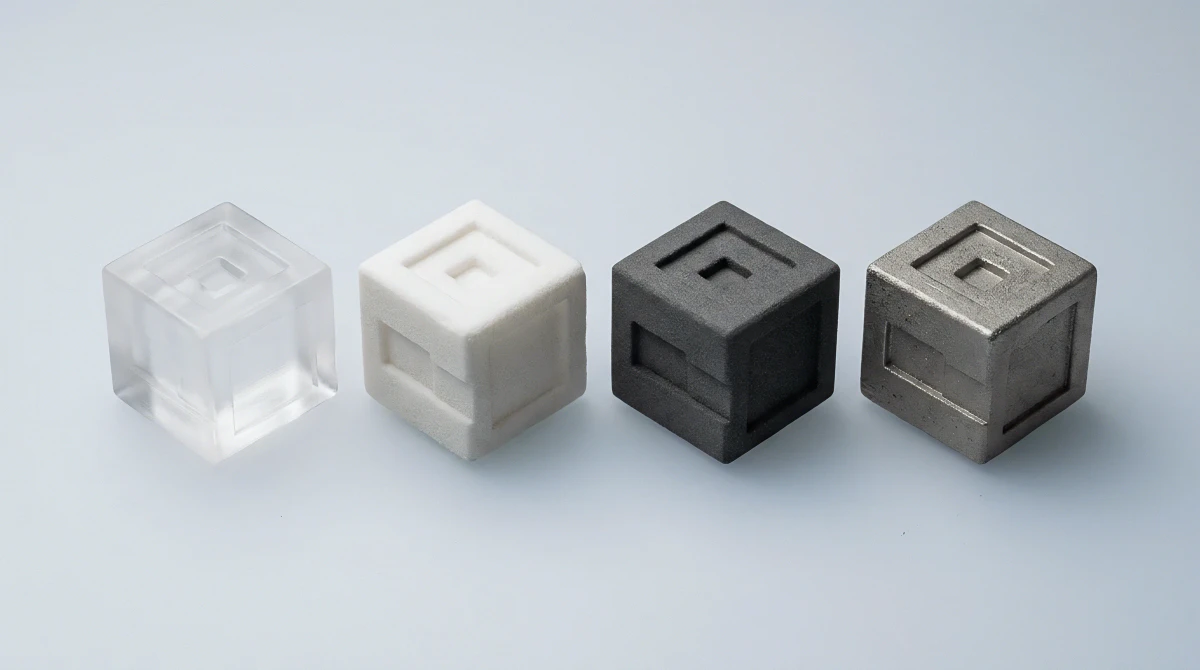
Coating

A coating is a layer applied over a printed part after cleaning to change its surface: its color, sheen, texture, sealing or durability.

Every Coating article of the 3D Printing Resources, newest first, each written from published standards, research and makers’ data.

Meaning

A coating is a layer applied over a printed part after cleaning to change its surface: its color, sheen, texture, sealing or durability. On powder bed and resin parts it is one of the finishing options beside dyeing, shot surfacing and vapor smoothing.

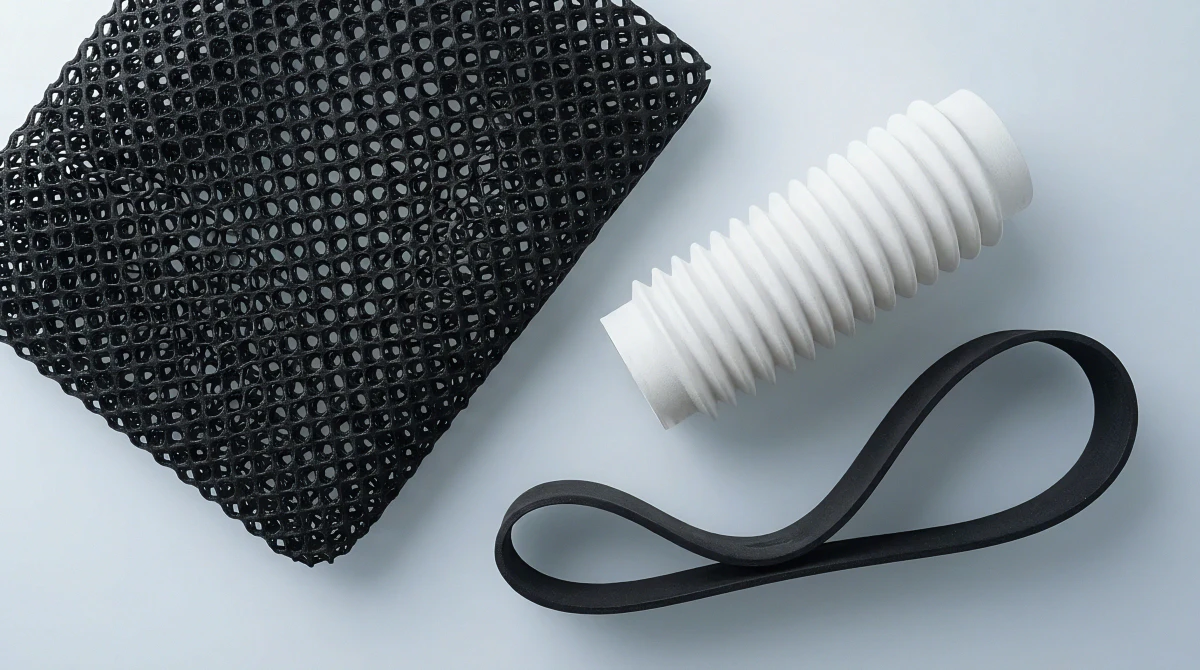
Coatings for Flexible Parts

BASF Forward AM offers its Ultracur3D Coat F+, a flexible two-component waterborne basecoat, for its TPU powders, and describes it as made to flex with elastic printed materials. A coating on a flexing part has to move with it, so the coating is chosen for the material’s elongation, not only for its look.
Read More

Coatings and Roughness

A review of as-printed polymer roughness lists an SLA study in which roughness was markedly reduced after coating the parts with a polyethylene wax emulsion. A study of laser polishing lists spraying, immersion and electroless plating among the ways protective or decorative layers are added to powder bed parts to change texture, durability, color and sheen, and notes that such techniques use consumables and may not preserve fine details.

Surface Preparation

DyeMansion notes that a smooth vapor-smoothed surface can help or hurt later gluing or coating, case by case, and that a homogenized, shot-surfaced surface takes color more evenly, which also helps painting. The surface the coating goes onto is therefore a choice made with the coating.

Drawing Callout

An order names the finish as a sequence: cleaned, then surfaced or smoothed if required, then coated, with the faces it applies to. Whether a dimension or a fit is checked before or after the coating belongs on the same line, since a coating adds thickness the mating parts have to carry.
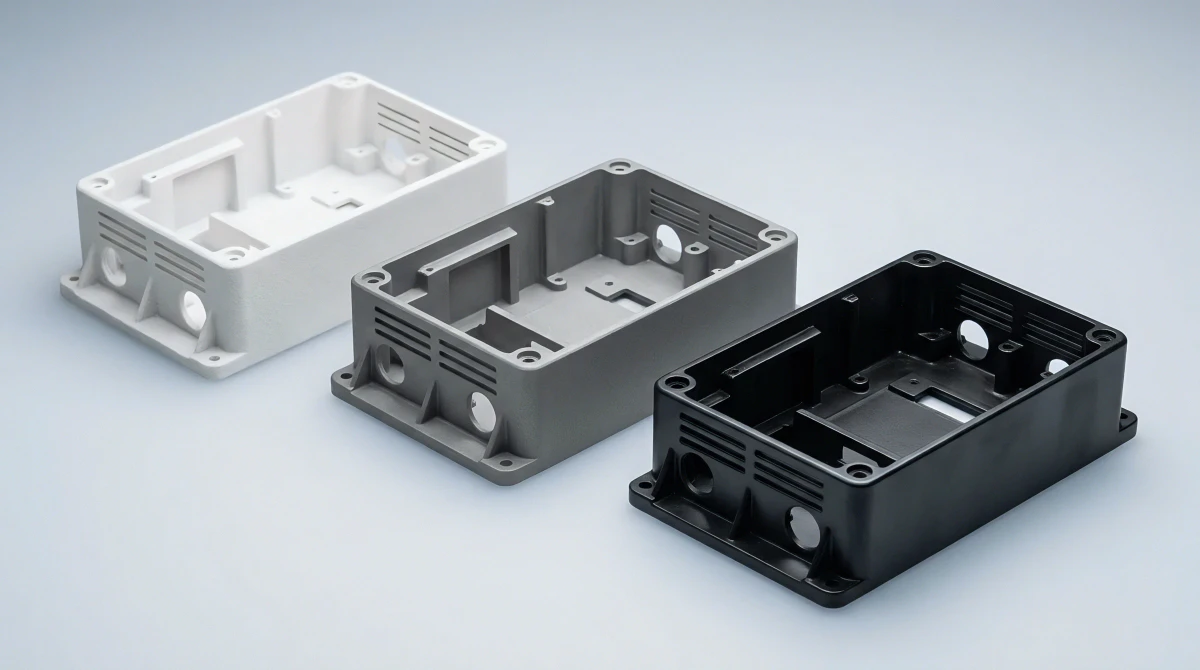
Vapor Smoothing and Bead Blasting SLS Nylon Parts

Powder bed nylon is always bead blasted clean, then optionally shot surfaced for feel and color or vapor smoothed for a sealed glossy skin, and the order names the steps and the faces.

The Finishing Sequence for Powder Bed NylonThe DyeMansion test that opens this piece ran every part through the same steps, and its table of settings is the clearest published version of the sequence.

Surface Roughness of 3D Printed Parts by Process and Orientation

Process sets the floor of roughness and orientation moves it face by face, so a printed part's roughness note names the parameter, the face, its build direction and the finish.

Typical Ra and Sa of SLA, SLS, MJF and Metal SurfacesA review of as-printed polymer roughness in the International Journal of Advanced Manufacturing Technology collects dozens of studies by process. Another study printed one test artifact on four processes and measured them all the same way.

TPU Flexible Powder for SLS and MJF Parts

TPU from a powder bed is equally soft in every direction but stretches far less across its layers, so grade, machine, build direction and test method all belong in the order.

TPU Powder Grades and Their Tensile Properties in XY and ZFour makers' sheets give enough to compare. Forward AM, the additive business of BASF, publishes four Ultrasint TPU powders side by side in one brochure, which makes it the cleanest set: the same company, the same tests, four grades.

Send the 3D File of Your Printed Part

Send the 2D drawing and the 3D file, with the quantity and the stage of the project. An engineer replies within 1 working day.

The quote form, the mutual NDA and the private folder for your files are on Protolis Atelier, with 3D Printing chosen.

Request a Quote